The European far right gradually distanced itself from Donald Trump, the former President of the United States, on Wednesday, attributing the Democrats' victory in the U.S. midterm elections to interventions in Iran. This shift in approach comes as many leaders of this political movement had previously celebrated their ideological ties with Trump.
Shift in the Approach of Far Right Leaders
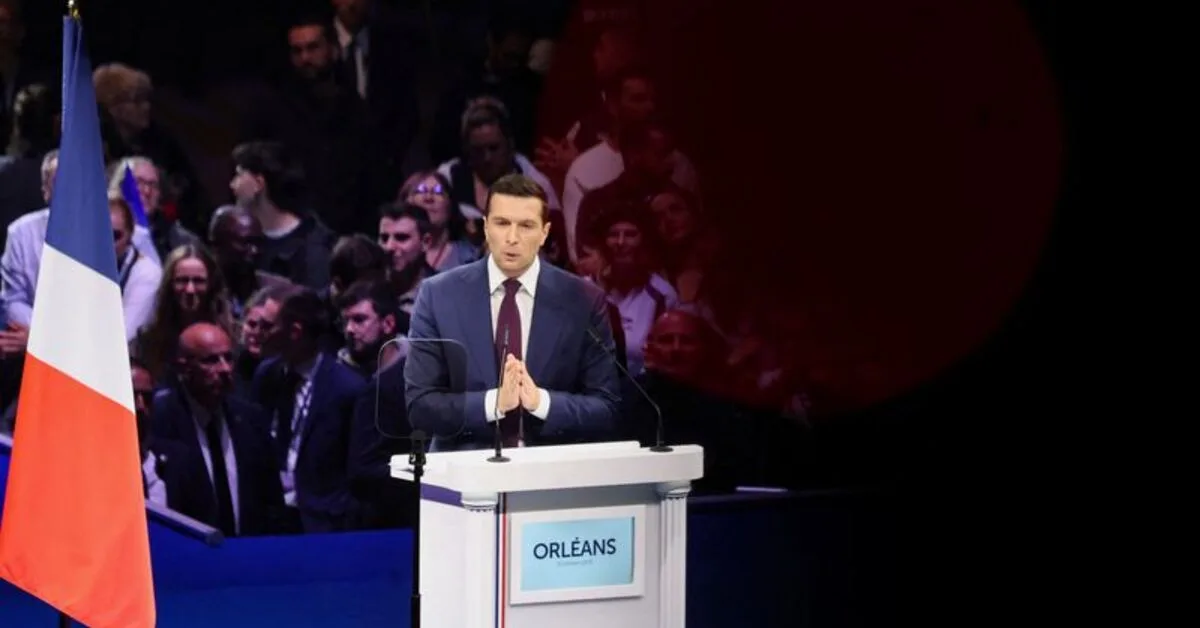
Jordan Bardella, leader of the National Rally party in France, exemplifies this political change. He stated that Trump's second term was less isolationist than his first (2017 to 2021) and added: "U.S. interventions regarding Iran have severe consequences for global economies." Bardella referred to the repercussions of these interventions without mentioning Trump's name.
Read more: Exchange of Medals and Commemorative Gifts between the Sultan of Oman and the Sultan of Brunei
In Germany, Alice Weidel, co-leader of the far-right Alternative for Germany (AfD) party, also attributed the Republicans' defeat to Iran, stating: "Trump had promised his voters that he would not pursue an interventionist foreign policy... This broken promise has now turned against the Republicans."
The Impact of War with Iran on Election Results
Trump himself acknowledged that the war with Iran played a role in his party's defeat, but emphasized his decisions. In Italy, Matteo Salvini, leader of the right-wing League party, said: "The results in the U.S. were particularly influenced by wars, international tensions, and rising living costs, the consequences of which directly affect families." He added that there is hope this vote could accelerate an end to conflicts and a return to peace.
Roberto Vannacci, a former Italian general who leads the far-right party futuro Nazionale, also believes that the U.S. election results reflect the political dangers of failing to fulfill electoral promises. He had previously praised Trump's "America First" nationalism brand but now criticizes him for his foreign policy. Vannacci emphasized: "Trump failed to meet expectations and did not end the war between Russia and Ukraine, instead starting a war against Iran." He also pointed to the impacts of rising energy prices and economic fluctuations on the American middle class.
Political Distancing as a Strategy
Analysts believe that European far-right leaders are distancing themselves from Trump for clear political reasons. Mujtaba Rahman, CEO of the political risk consulting group Eurasia Group, said: "Trump's declining popularity, especially regarding living costs, could turn what was once considered a political asset into a political burden." He added that far-right leaders seem to want to leverage "Trumpism's ideological movement" without being affected by the "chaos and economic disruptions" of his presidency.
In Spain, Santiago Abascal, leader of the far-right Vox party, without attempting to reduce his dependence on Trump, told reporters that "he is in Spain, not in Michigan" and emphasized that he does not care much about what happens elsewhere.
Given these developments, it seems that the European far right is shaping new strategies that change based on current political and social conditions.
Read more: The Israeli Opposition Bloc Led by Gadi Eisenkot Gathers to Oust Netanyahu · Iraqi: Iran Has No Hostility with the GCC Member States