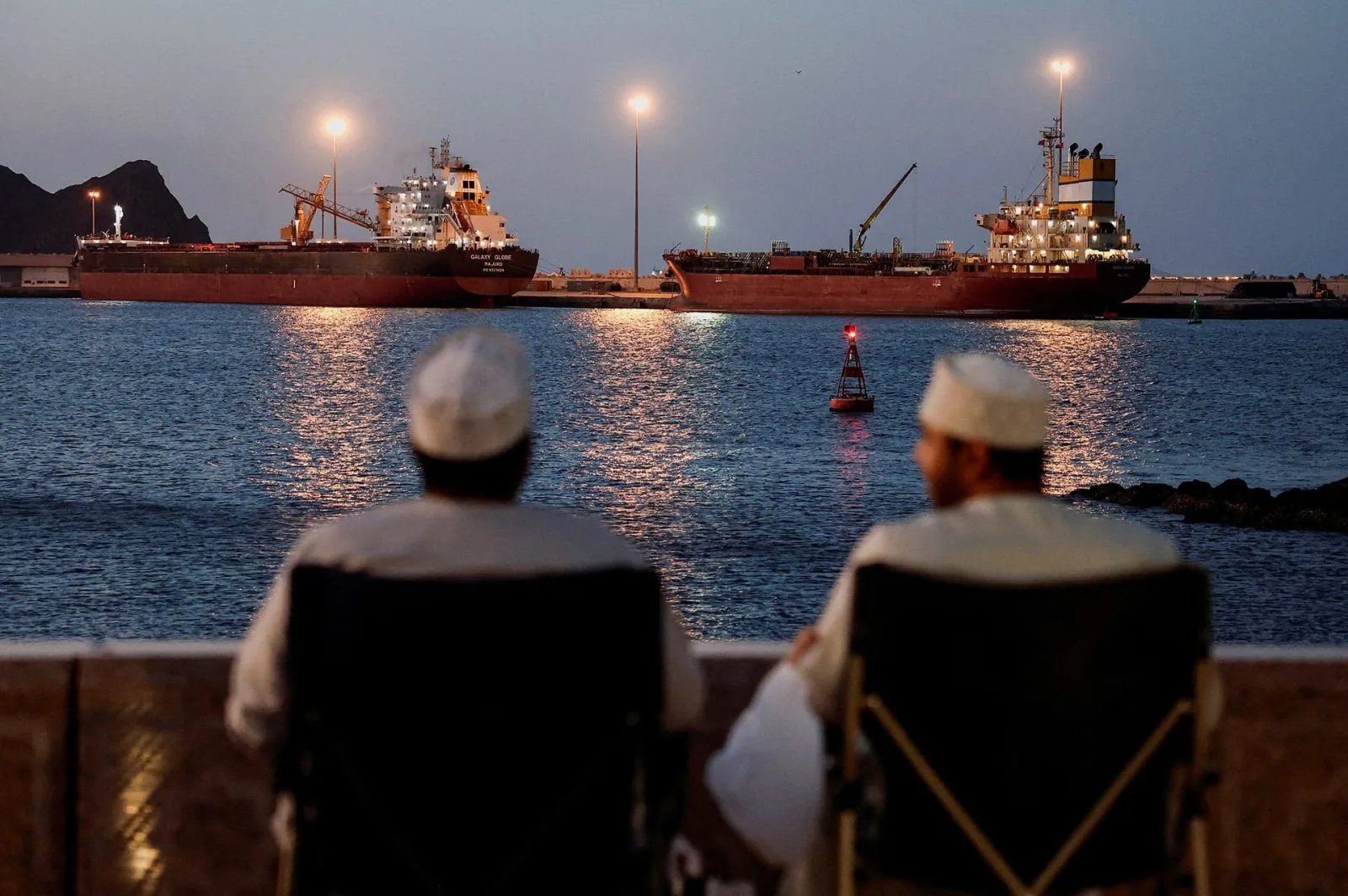
The Strait of Hormuz has been one of the most important arteries of global trade for years; a narrow waterway through which a large portion of the world's energy and thousands of commercial shipments pass daily. However, with the escalation of military tensions in the region, this route, which was not just an oil passage, has turned into a major chokepoint for international trade.
Changes in the Supply Chain
From China to Europe, many companies that based their supply chains on maritime routes through the Persian Gulf are now forced to choose longer and more expensive routes. David, a British merchant who established his healthcare company in Dubai over five years ago, states that the blockage of the Strait of Hormuz has severely impacted his business conditions.
His company, which imports medical examination gloves from China, now pays up to $10,000 to ship a 40-foot container to the United Arab Emirates, whereas this cost was about $1,000 before the crisis. The usual transit time for goods has also doubled, reaching about 60 days.
Widespread Economic Impacts
The U.S. government has repeatedly stated that the Strait of Hormuz is under its control, but the reality is that the Strait of Hormuz has practically remained closed for many goods. Companies have been incurring huge costs for months to pass through a route that has become one of the main battlefields in the U.S. war with Iran.
In addition to supplying a large portion of the world's oil, the Strait of Hormuz is also a key center for liquefied natural gas (LNG), refined fuels, and petrochemical products. Qatar, the world's second-largest LNG producer, has had almost no gas exports since the war began.
While supertankers earn up to a million dollars daily on some Middle Eastern routes, bulk carriers still earn only tens of thousands of dollars a day. This situation has led to a sharp decline in exports of essential goods and increased costs for companies and consumers.