The Democrats' victory in the United States Congress and rising Republican concerns about Israel could lead to the largest reassessment of support for this close ally in the Middle East in recent decades. These developments took shape in the shadow of elections that were partly influenced by dissatisfaction with the war with Iran.
Democratic Victory and Possible Changes
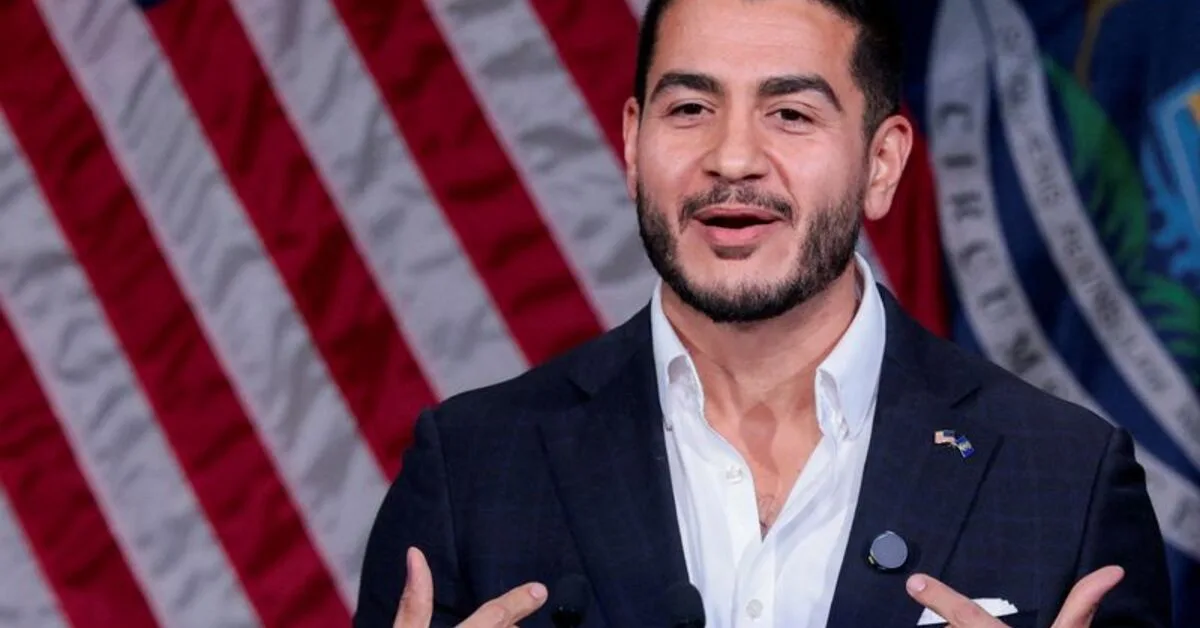
The Democrats gained a majority in both the Senate and the House of Representatives in the recent midterm elections. Many of the winning candidates, including Abdul El-Sayed from Michigan, who was elected as the first Muslim to the U.S. Senate, had criticized military aid to Israel and the U.S.-Israel war with Iran. This indicates fundamental changes in attitudes towards U.S. policies regarding Israel.
Read more: Israel and President Herzog: Key to Forming the Future Government
The Israeli campaign in Gaza and Benjamin Netanyahu's closeness to former President Donald Trump and other Republicans have put bipartisan support for Israel under pressure. This Democratic control could lead to a more thorough examination of military aid and existing violence in the West Bank, as well as hearings and challenges for Trump's nominees; although Democratic power is limited by the President's veto power.
Changes in Republican Support
There are signs that Republicans may reconsider their traditional support for Israel. Vice President J.D. Vance identified Israel as one of the key issues for Republicans on Wednesday, referencing the electoral defeat. He stated in a social media post that four actions are necessary to win back dissatisfied Trump voters, one of which is ending the war.
Meanwhile, Trump stated in an interview that an agreement has been signed with Netanyahu under which Washington will stop its annual security assistance to Israel. However, it is unclear what authority he has to stop billions of dollars in military aid.
U.S. policies towards Israel are recognized as a generational divide in American politics. Polls show that young voters, including some Republicans, feel that the country has supported Israel too much and has not paid enough attention to the residents of the Palestinian territories.
The general sentiment in Congress is also changing. In September, 46 out of 47 members of the Senate Democratic caucus voted for a resolution calling for reporting from the Trump administration on the increase in violence against Palestinians by Israeli settlers. This action faced opposition from Republicans, but the nearly unanimous vote among Democrats indicates a significant shift in traditional bipartisan support for Israel.
Democrats are likely to refocus on West Bank violence. Democratic Senator Chris Van Hollen from Maryland said, "We must ensure that our laws and policies are applied equally to the behavior of different countries, and there should be no exceptions for Israel."
However, the power of the Democrats is limited. Trump has promised to be "Mr. Veto" and it seems unlikely that they will be able to gather a two-thirds majority to override his vetoes. Nevertheless, there may be enough resistance to prevent U.S. tax dollars from going abroad and dissatisfaction stemming from the war with Iran.
The election results could lead to an unusual collaboration between left and right factions in condemning Israel. Professor Price Floyd, a senior strategy advisor in London, stated that these changes could raise serious questions about various agreements and force the President to make exemptions.
Polls indicate that the war with Iran has been a major issue in the elections, and many Americans attribute rising prices, especially gas prices, to this conflict. Jonathan Schanzer, Executive Director of the Foundation for Defense of Democracies, believes that changing leadership in Israel could alter the atmosphere of negotiations between the two countries.
Netanyahu lost his governing majority in the elections on October 27, but did not allow opponents to create a clear path for his removal. Negotiations to form a new government are likely to be lengthy. A new Israeli government, especially if it is less dependent on Republicans, could lead to more effective cooperation with Democrats.
Read more: Friedrich Merz: Russia Must Show Its Seriousness in Ceasefire Talks in Abu Dhabi · U.S. Legal Delegation to Attend UN Climate Summit in Turkey