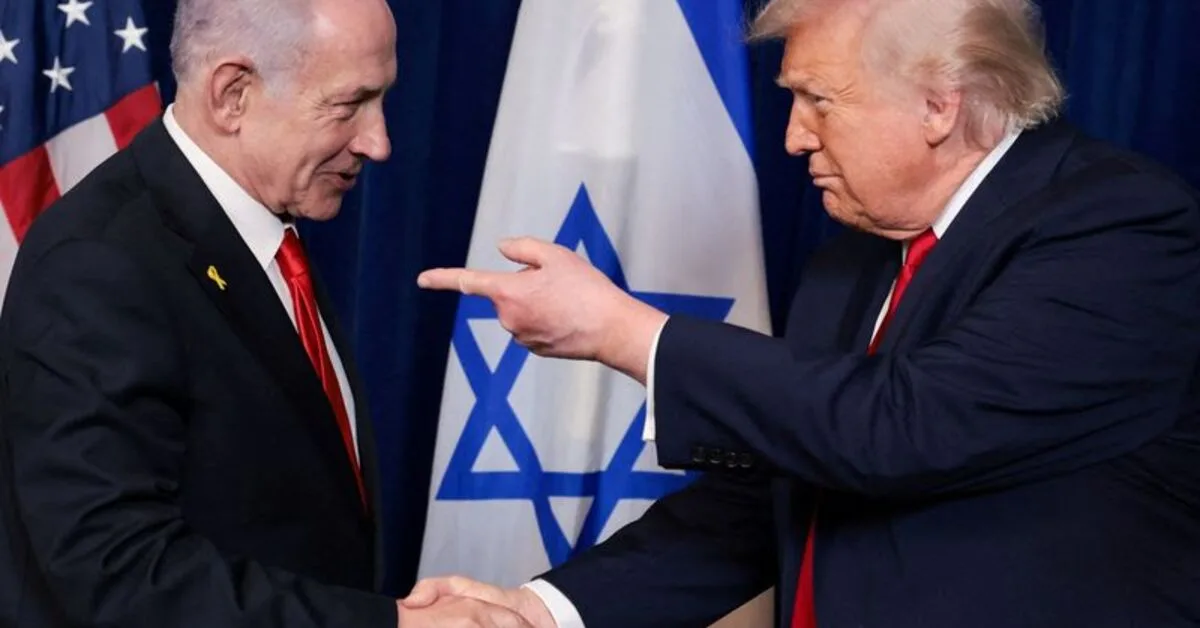
The memorial for the September 11, 2001 terrorist attacks at the Pentagon once again became a platform for expressing controversial positions and hardline policies. At this event, the Donald Trump administration reiterated its stance on Iran's nuclear program, asserting that the country will never attain nuclear weapons. His remarks were met with cheers and applauds from the audience.
Response to Iran's Nuclear Program
Trump explicitly stated at the event that Iran is recognized as the "number one sponsor of terror" and will never be allowed to achieve nuclear capabilities. These statements resonated not only in the political landscape of the United States but also had significant global repercussions, eliciting both criticism and support.
Attendees at the memorial expressed support for this position, somewhat welcoming the Trump administration's aggressive policies towards Iran. Meanwhile, some observers believe that such rhetoric could escalate tensions in the Middle East.
Possible Consequences
Some analysts believe that the continuation of such policies may lead to heightened crises and military conflicts between the United States and Iran. This is occurring while many other countries are seeking diplomatic solutions to reduce existing tensions.
Given Trump's recent positions, it seems that his anti-Iranian policies will continue in the future, consequently increasing tensions in the Middle East. These developments will not only impact the security situation in the region but will also affect the United States' relations with other countries.