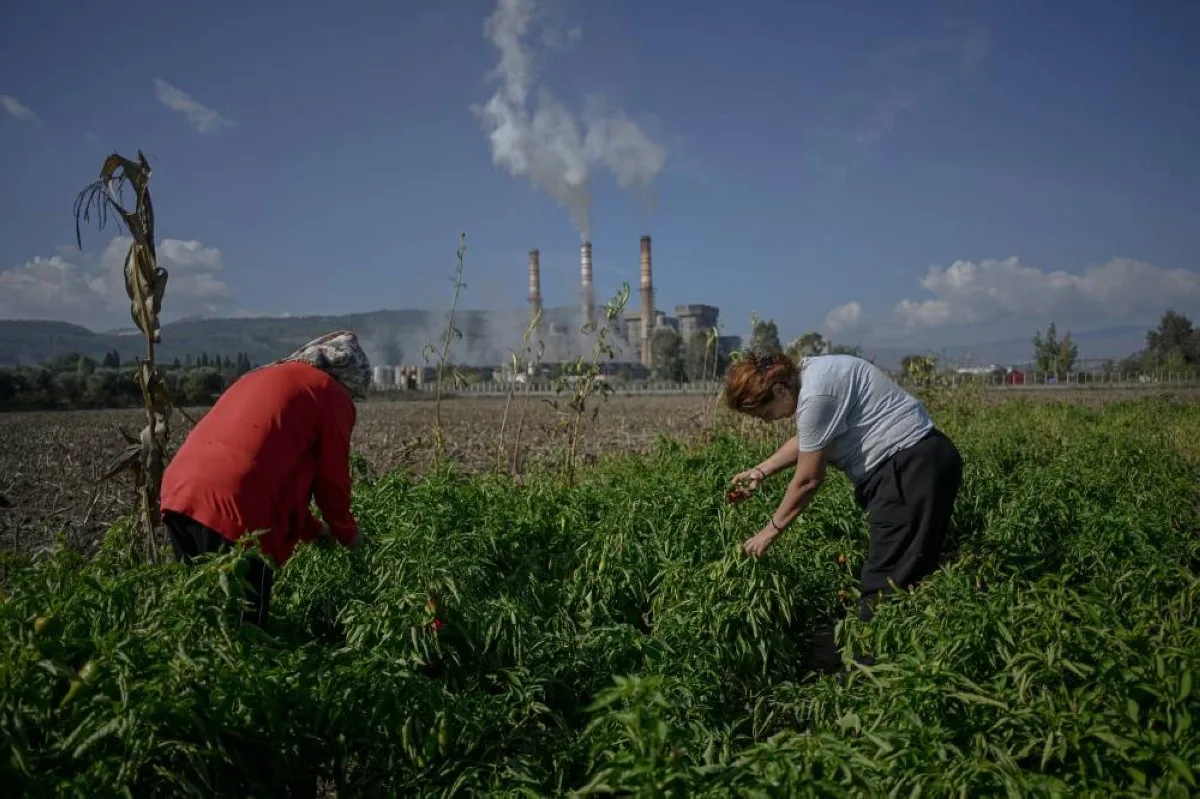
Turkey, as the fifth largest producer of methane from solid waste in the world, is paying special attention to the challenges related to methane emissions from landfills ahead of the COP31 summit, which will be held from November 9 to 20 in Antalya. In this country, landfills receiving household waste from Istanbul have become one of the main sources of methane emissions.
The Current Status of Methane Emissions in Turkey
According to published data, Turkey ranks among the largest producers of methane from solid waste, and this situation is exacerbated by the presence of several large landfills around major cities such as Istanbul, Ankara, and Izmir. Research conducted by scientists at the University of California, Los Angeles (UCLA) indicates the existence of 70 methane leaks from 10 large landfills in Turkey, with emissions at these sites varying on average from 841 kilograms to 7.4 tons per hour.
Challenges and Proposed Solutions
Although gas collection systems have been implemented at large landfills in Turkey, these systems are still unable to prevent high methane emissions. Experts believe that to reduce methane emissions, organic materials must be separated before reaching landfills, and collection rates must also be improved. In this regard, efforts to improve the design of collection systems and repair damaged covers can help reduce methane emissions.
The Turkish Ministry of Environment has stated in response to these reports that the relevant data does not pertain to continuous measurements and cannot be used as a criterion for annual gas emission assessments at the Simen landfill. The ministry also referred to the "Zero Waste Initiative," which aims to reduce buried waste and consequently reduce methane emissions.
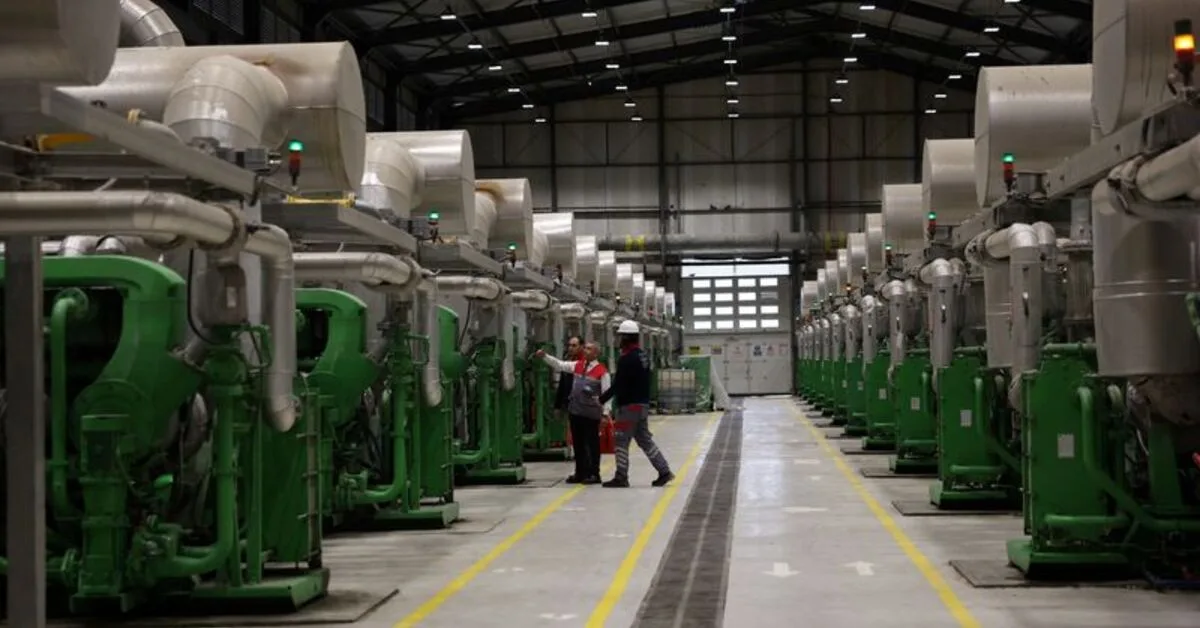
At the Simen landfill, the municipal operator ISTAC collects the gas produced from the decomposition of buried organic materials, and an energy company uses this gas to generate electricity. This facility produces an average of about 22,000 megawatt-hours of electricity per month.
However, experts emphasize that Turkey needs improvements in waste management and effective measures in waste collection and recovery. According to Selim Yıldırım, a senior climate policy researcher in Ankara, the main challenge is the ability to translate these theories into action and implement them effectively.