The United Nations has announced in a recent report that nearly 90 million refugees and forcibly displaced individuals are facing severe risks from climate change. This report, released just days before the COP31 climate conference in Turkey, shows that three-quarters of the world's refugees live in countries that are highly vulnerable to climate-related hazards.
Double injustice for refugees
Antonio Lacy Garcia, the Deputy High Commissioner of the United Nations for Refugees, said: "Refugees face a double injustice. They have been forced to flee wars and conflicts they did not create, and now they are on the front lines of a climate crisis they have contributed the least to." These individuals, who have fled conflict, violence, and persecution, often arrive in places struggling with water shortages, dangerous flooding, and extreme heat.
Read more: Arrest of illegal fishermen in Saham, Oman
Challenges of returning home
The United Nations has also warned that climate change threatens sustainable solutions for refugees. More than two-thirds of refugees who returned home in the first half of this year went back to countries with high vulnerability to climate risks. In Syria, where nearly four million refugees have recently returned, declining groundwater levels and climate shocks pose a threat to the reconstruction process. Floods along the Euphrates River in May caused damage to homes and displaced thousands again.
The United Nations has predicted that by 2050, one-third of refugee camps in sub-Saharan Africa may face 100 days or more of dangerous heat each year. Climate-related disasters have caused over 255 million internal displacements worldwide over the past decade, averaging 70,000 displacements per day. Additionally, this year's particularly severe El Niño is expected to lead to more displacements, with severe flooding potentially displacing up to three million people in Somalia, Kenya, South Sudan, and Uganda by the end of 2026.
The United Nations has noted that only 10 percent of global climate financing is allocated to vulnerable and conflict-affected countries that host large numbers of refugees impacted by climate change. At COP31, the agency will urge governments and climate finance institutions to include and support refugees and other displaced individuals in their national climate programs and budgets. Garcia emphasized: "We cannot allow those who have already suffered so much to be overlooked in global climate action."
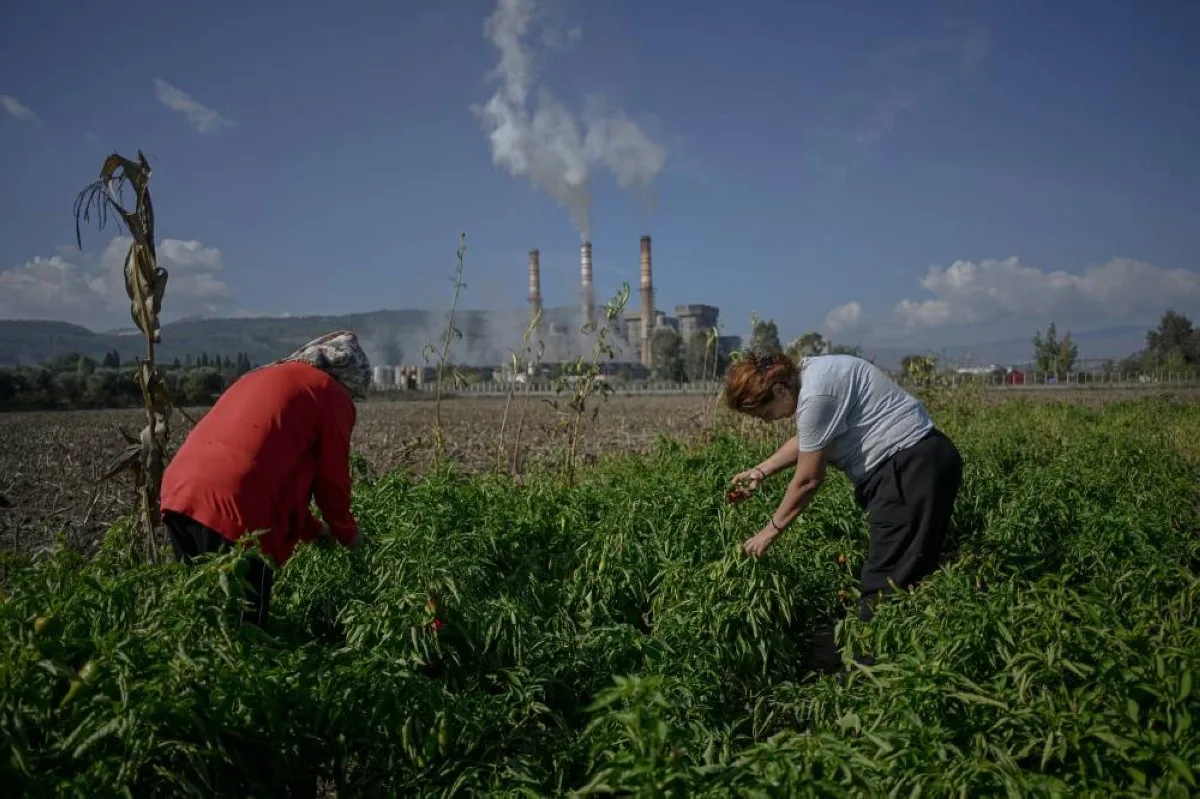
Read more: Turkey showcases renewable energy growth but continues with coal · Rebecca Grispan's remarkable leadership in the UN Secretary-General survey