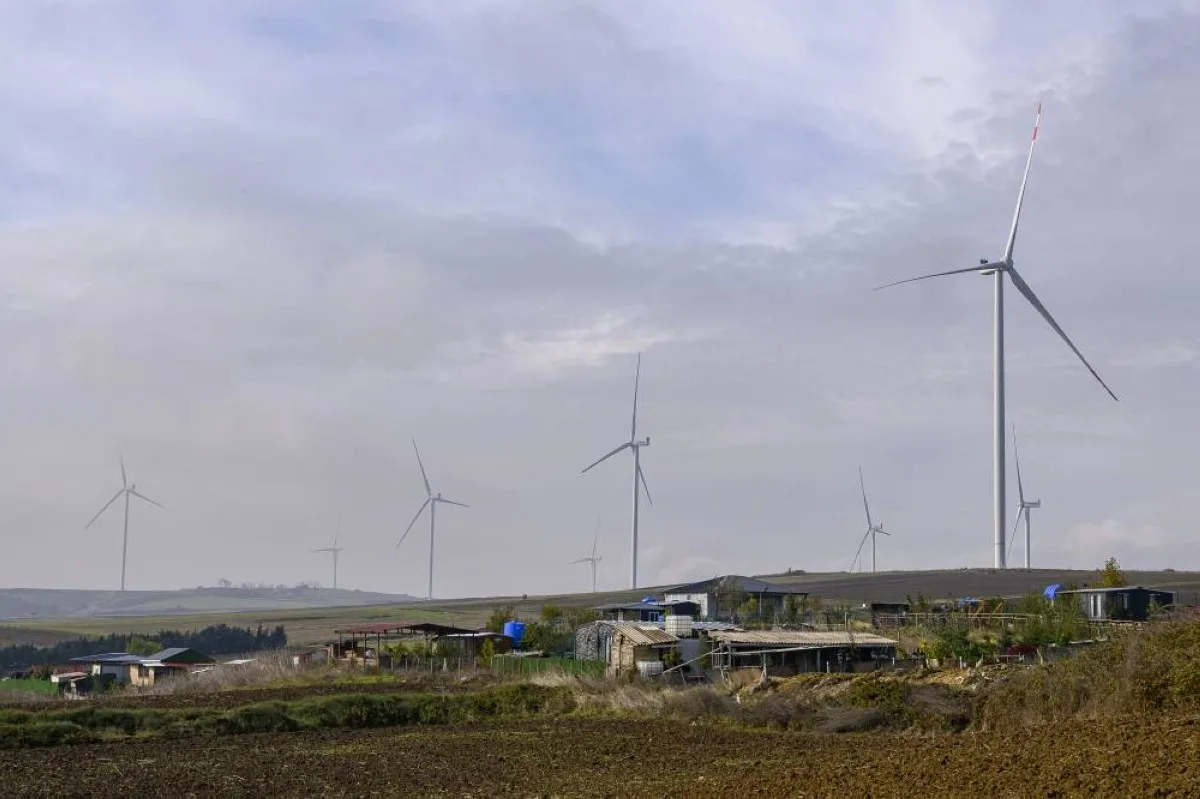
Turkey, with significant growth in renewable energy, especially in the wind sector, is on the verge of hosting the COP31 conference in Antalya. The Catalca power plant, one of Turkey's first large wind farms, has been generating electricity for 18 years and, with an installed capacity of 93 megawatts, produces 287 million kilowatt-hours of electricity annually, enough to power approximately 115,000 households.
Growth of Renewable Energy Capacity
This power plant is part of nearly 300 wind farms in Turkey, symbolizing the country's growing renewable capacity. According to reports, last year, 43 percent of Turkey's electricity production came from clean sources, with wind and solar energy accounting for 22 percent. Turkish Energy Minister Alparslan Bayraktar has announced plans to triple the country's solar and wind capacity from around 40 gigawatts to 120 gigawatts by 2035.
Challenges of Coal Dependency
However, coal remains the primary energy source in Turkey, and the country is under pressure to align its renewable energy growth with a reduction in fossil fuel dependency. According to statistics from the Ministry of Energy, coal will account for 33.5 percent of Turkey's electricity production in 2025, with nearly two-thirds of this coal being imported.
Duigo Katluy, from the Beyond Fossil Fuels organization, points out that Turkey's reliance on coal and its development plans have created a contradiction in the country's current path. He emphasized that Turkey must ensure that clean electricity production replaces fossil fuel generation and is not merely used to meet additional demand.
Bayraktar stated in February that Ankara's priority is to ensure affordable energy and reduce dependency on imports. He mentioned that coal could initially be replaced with gas, but in the medium to long term, it could be substituted with nuclear energy. Turkey is constructing its first Akkuyu nuclear power plant reactor, which is expected to be operational by early 2027.
Emine Amrah Danis, CEO of MOBEN Consulting, explained that the rising demand and the need for "base" energy, which ensures continuous electricity supply throughout the day, are reasons for Turkey's heavy investments in gas and coal power plants over the past 30 years. He stated that significant investment in battery storage and nuclear energy is needed to reduce coal's share. Even with two more nuclear power plants planned, he predicted that nuclear energy could not replace coal-generated electricity before 2040, and a complete phase-out of coal would not be feasible before "mid-2050s."
Turkey is heavily reliant on imports of oil, gas, and coal from countries such as Russia, Iran, and Azerbaijan.
İbrahim Erden, head of the Turkish Wind Energy Association, stated that the transition for each country is different, and coal power plants cannot simply be shut down while relying solely on wind and solar energy. He added that renewables are also "an important means to enhance energy security and reduce dependence on foreign suppliers."