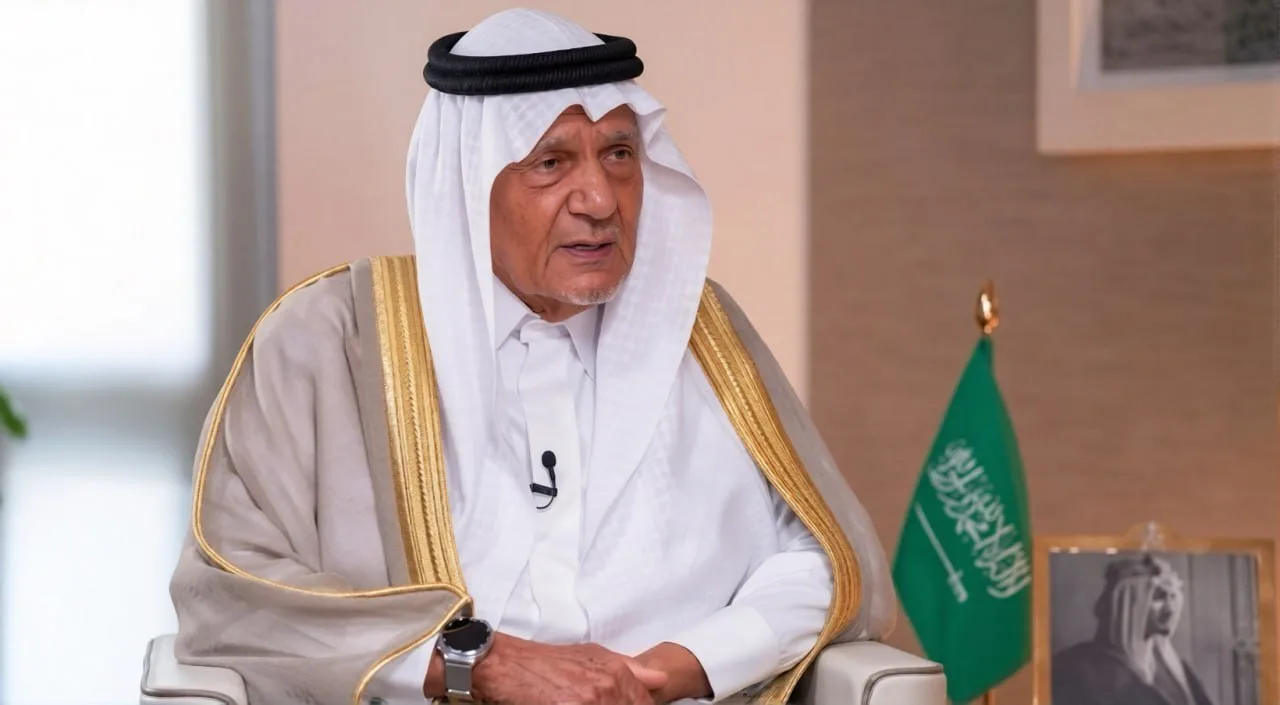
Turki Al-Faisal, Chairman of the Board of the King Faisal Center for Research and Islamic Studies, addressed the consequences of demographic changes and the expansion of artificial intelligence for Gulf countries in his recent speech in Bahrain. He stated that these challenges could turn into serious security and social threats.
Declining Birth Rates and Their Consequences
Turki Al-Faisal pointed out that the declining birth rates in four Gulf countries have not reached the replacement level of population. This level is equivalent to 2.1 children per woman, which is essential for maintaining population stability in the long term. The decline in birth rates could lead to economic and social challenges as well as a shortage of labor in the future.
Expansion of Artificial Intelligence and Its Impact on the Labor Market
The Chairman of the King Faisal Center for Research and Islamic Studies also warned about the implications of the expansion of artificial intelligence on the labor market. He stated that this technology, while offering opportunities for increased productivity, could threaten jobs and economic security. Estimates suggest that around 300 million full-time jobs worldwide may be affected by artificial intelligence.
Turki Al-Faisal referred to the security vulnerabilities arising from this technology and external dependencies in critical sectors, considering these issues as additional challenges facing the countries in the region. He emphasized that Gulf countries must pay close attention to these developments and take appropriate measures to address them.
Ultimately, Turki Al-Faisal called for cooperation among Gulf countries to face these challenges and stressed the importance of creating comprehensive programs to manage demographic and technological changes. These programs could help maintain stability and social and economic security in the countries of this region.