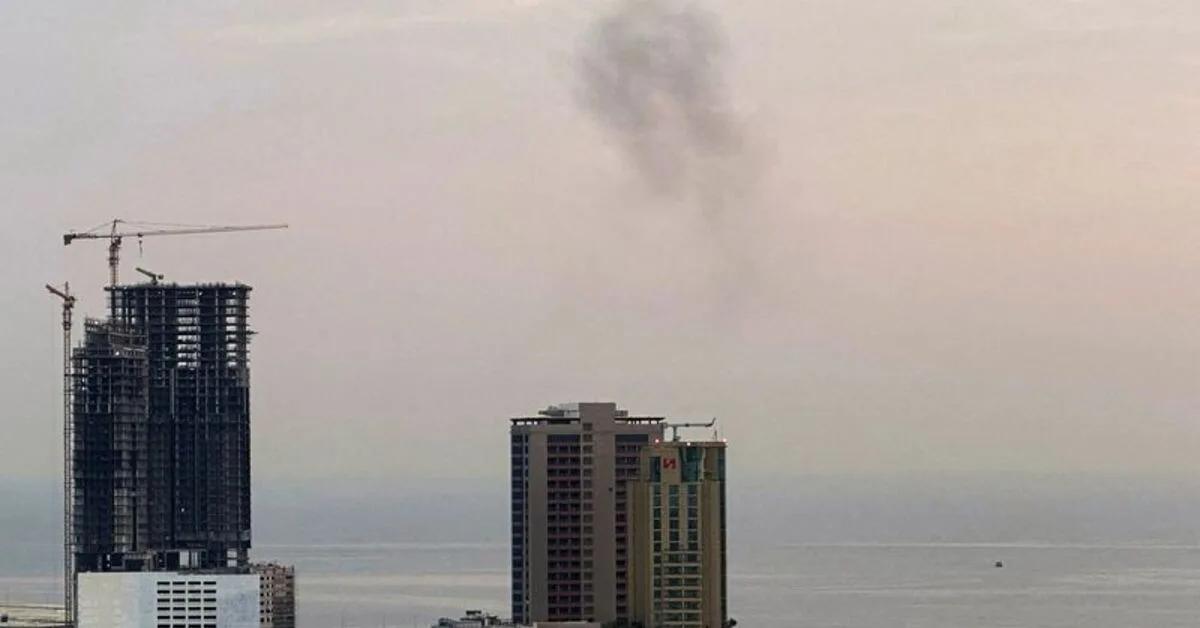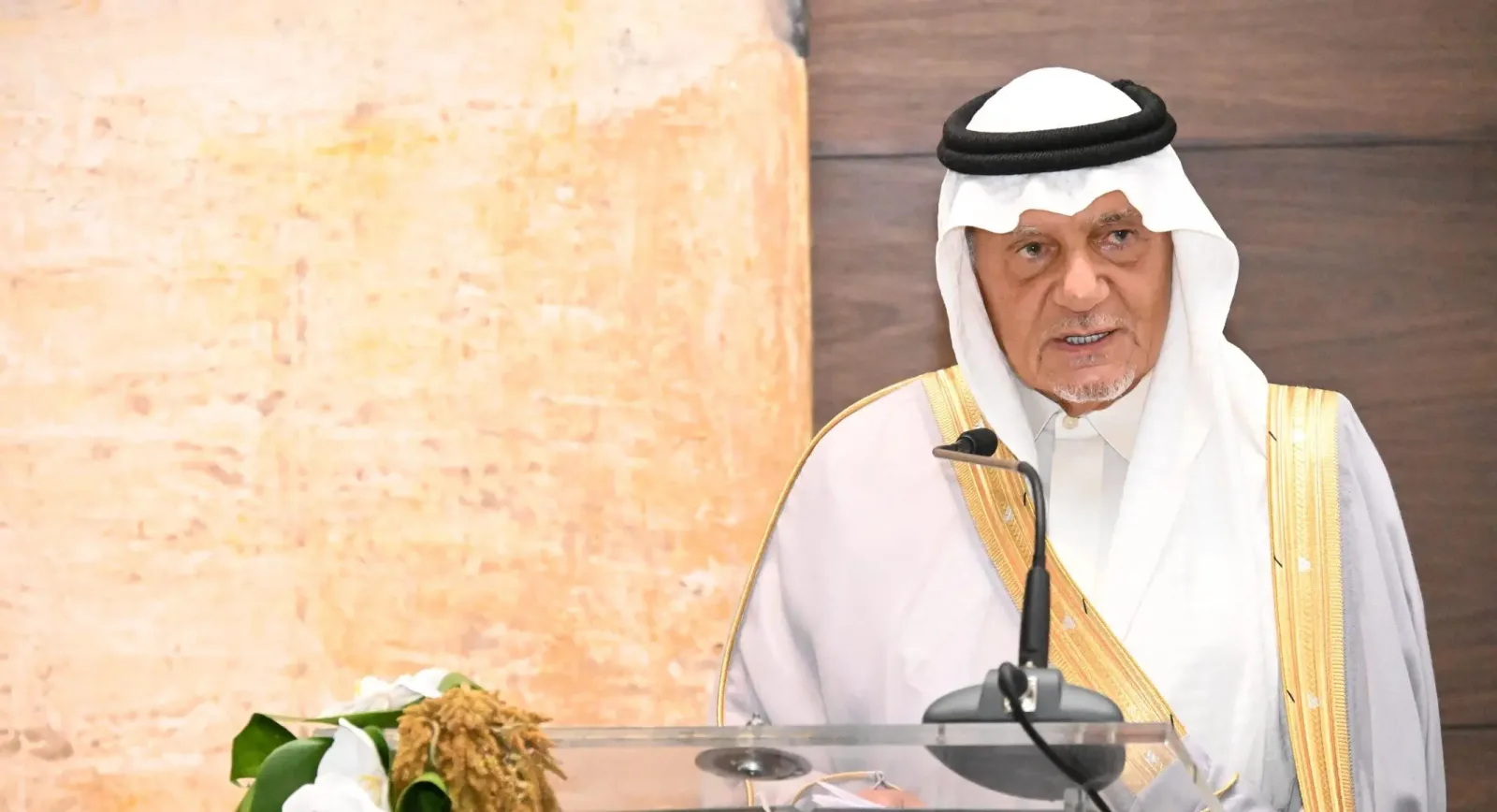
Turki Al-Faisal, the former head of Saudi intelligence, addressed the security challenges facing Gulf countries and the threats posed by the expansionist plans of Iran and Israel in his recent speech at the Sheikh Ibrahim bin Mohammed Al Khalifa Cultural and Research Center in Muharraq, Bahrain. While expressing his concerns, he highlighted missile and drone attacks and the threat to international shipping security as the most important regional issues.
Security Challenges and Expansionism
Turki Al-Faisal emphasized that the countries in the region are facing clear threats from ongoing wars and conflicts, as well as hidden challenges, putting the security of societies and the future of economic development at risk. This former Saudi official stressed the need for a common strategic vision among Gulf countries and called for expanding cooperation to address security, economic, demographic, and technological developments.
Read more: Egypt's Foreign Minister's Dialogue with Abbas Araghchi on Gulf Security
Technological and Artificial Intelligence Risks
Turki Al-Faisal also warned against the military use of new technologies, especially artificial intelligence. He expressed concern over the development of drones and low-cost weapons by non-state armed groups and emphasized that these technologies could create new threats to the critical infrastructure of the region's countries. According to him, these developments could pave the way for increased cyberattacks, information infiltration, and the spread of fake information.
He considered the strategic dependence of Gulf countries on foreign technologies as one of the main concerns and emphasized the necessity of developing local capabilities in the design, production, and protection of smart systems. Turki Al-Faisal further called for the establishment of a joint Gulf council for AI governance, a council that could develop common standards for the use of high-risk systems and the protection of citizens' information.
In conclusion, Turki Al-Faisal stressed the need to strengthen security and technological cooperation among Arab Gulf countries and believed that the challenges facing the region are such that no country can manage them alone. He regarded coordination among Gulf countries as a strategic necessity for achieving a more stable and secure future.
Read more: Sergey Lavrov: The Gulf Dispute Needs a Diplomatic Solution · Democrats' Victory in Congress and Its Impact on the Iran War and Pentagon Budget