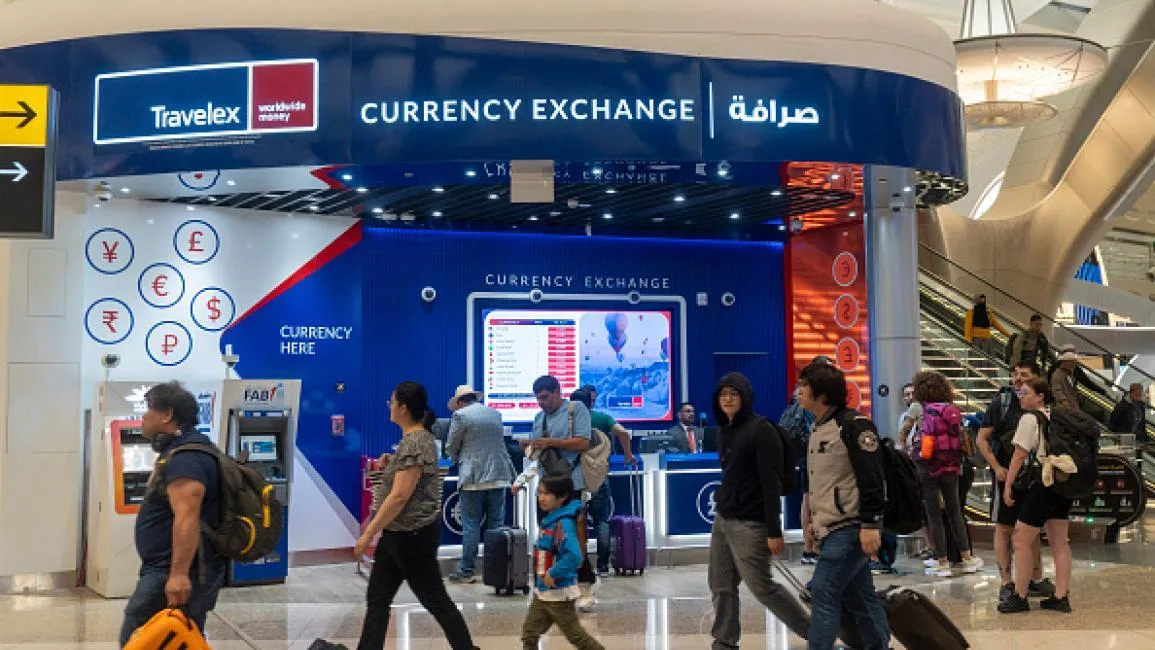
The outflow of $161 billion from Gulf Cooperation Council countries in 2025 is regarded as an unprecedented record. This increase is a sign of economic pressures resulting from war and disruptions in shipping in the region. Reports indicate that remittances from foreign workers in these countries have increased by 13.6 percent compared to last year, reaching $161 billion.
Economic and Social Consequences
This trend of capital outflow has significant impacts on liquidity and economic activities in Gulf Cooperation Council countries. Given that remittances account for 6.6 percent of the GDP of these countries, experts emphasize the need to attract domestic investments. They suggest that providing incentives for savings and investments in domestic markets could help strengthen the economy.
Challenges Ahead
According to experts, the continuation of pressures from war and shipping disruptions has led to a decrease in oil production and an increase in financing costs. The World Bank has predicted that the GDP of the Middle East and North Africa region will decrease by 2.1 percent in 2026. Additionally, a report from the credit rating agency "Fitch" has recorded a nearly 30 percent decline in the issuance of dollar-denominated debts by Gulf Cooperation Council banks this year.
In this context, Mohammed Al-Nayyar, an economic expert, points to changes in the residency and spending patterns of foreign workers. He states that increased fees on the residency of workers and their families have led to families returning to their home countries, resulting in reduced household spending in the host countries.
However, Gulf Cooperation Council countries have not yet felt a direct negative impact from these remittances, and based on the stability of national currencies and the strength of foreign reserves, it seems that the economies of these countries still have the capacity to cope with challenges. Nevertheless, the ongoing disruptions in shipping through the Strait of Hormuz have made it essential to adopt preventive measures.
Ultimately, this situation highlights the challenges facing Gulf Cooperation Council countries in attracting investment and maintaining economic stability. Given the current conditions, addressing the economic and social needs of foreign workers and striving to create suitable environments for domestic investment is of high importance.