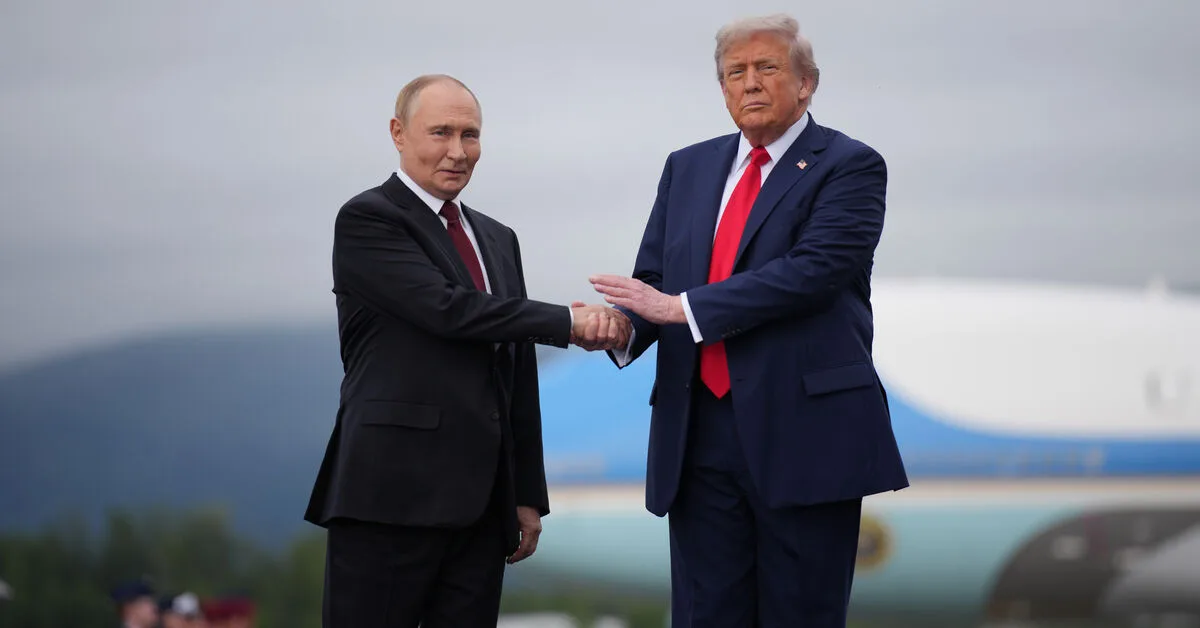
Vladimir Putin, the President of Russia, has been trying to strengthen his role as a mediator in the tensions between Iran and the United States by holding frequent meetings with his Iranian counterpart, Masoud Pezeshkian, in recent weeks. However, Russia's current situation due to the war and sanctions has limited the country's ability to play such a role.
Challenges Facing Putin in the Middle East
Before Russia's invasion of Ukraine in 2022, Putin and his representatives were recognized as respected players in the Middle East. However, since then, especially after the overthrow of Bashar al-Assad, the President of Syria, in 2024, Russia's status and influence have significantly diminished. Putin is now in a position where he cannot be seen as a mediator between the two countries, which has led to an increase in his challenges on the international stage.
Russia's Proposals to Iran
As part of its efforts to rebuild its credibility, Russia has repeatedly proposed to receive Iran's enriched uranium (HEU) stocks. If realized, this action could be a step towards reducing Iran's enrichment capacity, which J.D. Vance, the U.S. Vice President, called for earlier this month.
Putin seeks to present himself as a reliable mediator between Washington and Tehran, although he faces many challenges in this path. Currently, it seems that neither party is willing to accept Russia's mediating role, which casts uncertainty on the future of Putin's efforts in this regard.
Putin's efforts to mediate in this dispute are not only aimed at improving relations between Iran and the United States but also at strengthening Russia's position in the Middle East. However, the main question is whether these efforts can lead to a sustainable and meaningful agreement. The current situation in the Middle East and the complex relationships between countries, especially in the context of war and sanctions, complicate this matter.
Read more: The Largest Tourism Economies in the World in 2023