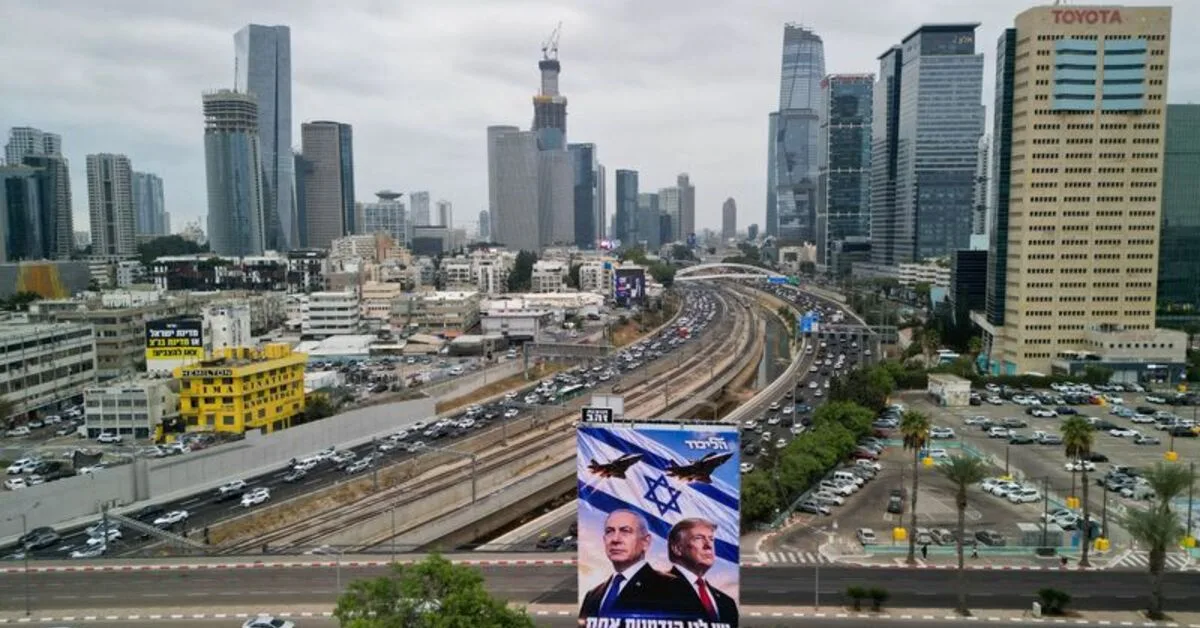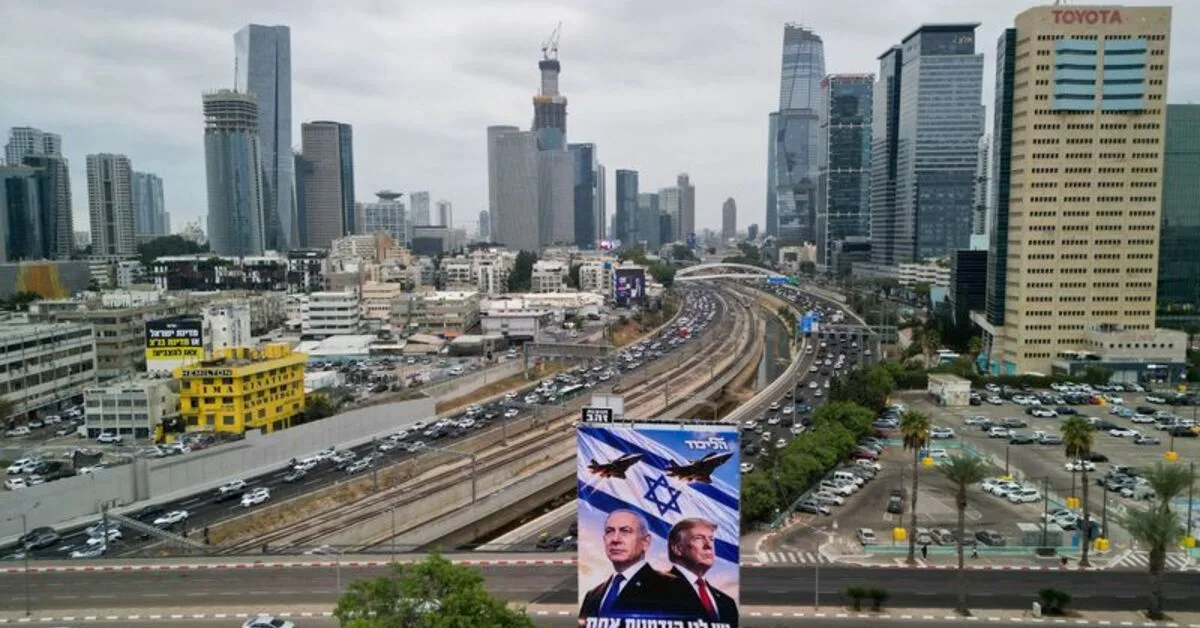
Benjamin Netanyahu, the Prime Minister of Israel, is facing a serious challenge to his political survival in the upcoming elections on Tuesday. Voters are assessing his leadership following the Hamas attacks on October 7, 2023, and the recent wars in Gaza and with Iran. This election is recognized as one of the most tumultuous periods in Israel's history since the establishment of the country in 1948.
Challenges Facing Netanyahu
Netanyahu, known as Israel's longest-serving leader with 19 years in office, remains a strong survivor in the Israeli political scene. Despite severe criticism from opponents and accusations related to security failures, he is striving to maintain nationalist support. Polls indicate a close competition between his Likud party and the rival coalition led by Gadi Eisenkot, the former Chief of Staff of the Israel Defense Forces.
Read more: Brazil Elections: Close Race Between Luiz Inácio Lula da Silva and Flávio Bolsonaro
Eisenkot's Role and Right-Wing Alliances
Gadi Eisenkot, recognized as a security figure, has accused Netanyahu of using fear and threats to bolster his position. He also believes that former U.S. President Donald Trump will cooperate fully with any leadership chosen by the people. Netanyahu may rely again on far-right leaders, including Itamar Ben-Gvir and Bezalel Smotrich, to form a government. These two have also faced sanctions from some Western countries accusing them of inciting violence against Palestinians.
If neither of these two can form a coalition to establish a government, Netanyahu may remain as caretaker until another election is held next year. This election is particularly influenced by the October 7 attacks and Israel's military responses in Gaza, which resulted in the deaths of 1,200 people and the capture of 251 by Hamas. According to health reports, Israeli attacks in Gaza have also killed 74,000 people.
Public Opinion and Voter Impact
Many of Netanyahu's opponents believe that the election should be based on accountability for the security failures of October 7. Mali Hajaj, an employee of the Ministry of Education and a supporter of Eisenkot, believes that "the most important thing is to establish a national inquiry, as this is where our healing will come from." In contrast, Netanyahu's supporters, like 18-year-old Noaf Gabbai, consider him "the right man for Israel" and believe he has managed the war in the best possible way.
In some Likud-supporting areas, dissatisfied voters have gone door-to-door trying to convince others not to vote for Netanyahu. This is especially happening as he faces corruption charges in a lengthy trial. Increased voter participation from Israel's Arab minority, who hold Israeli citizenship but are culturally considered Palestinian, could shift the complex coalition equations in Israel in favor of Eisenkot.
Although Eisenkot has rejected cooperation with Arab parties, analysts point to a scenario where Arab parties act as supporters of a minority government he leads to oust Netanyahu from his position. The election outcome is expected to be such that neither side can achieve a decisive majority.
Read more: Israel's Attack on Gaza Islamic University Leaves Three Dead · Arab-Israeli Parties Seek to Form Opposition Alliance in Israel