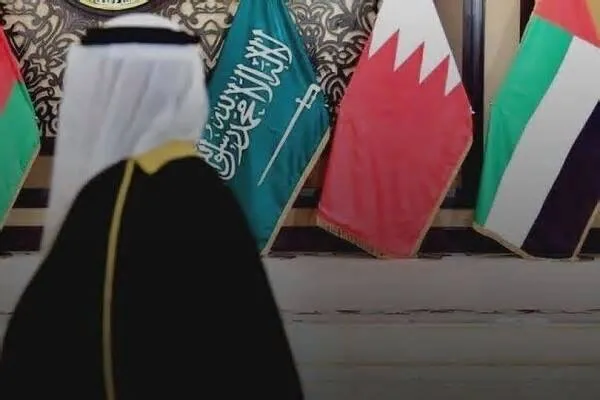
In the past six months, war and military tensions in the Persian Gulf have clearly demonstrated that possessing vast oil and gas reserves alone is insufficient to ensure the economic security of the southern coastal countries. This situation has not only affected the political stability of these countries but has also exacerbated serious economic challenges.
Consequences of War on the Economy
The economies of the southern Gulf countries are heavily influenced by fluctuations in oil and gas prices. War and insecurity have led to a decrease in foreign investments and capital flight. Many companies have limited their operations due to uncertainty about the future, and some have even completely exited this market.
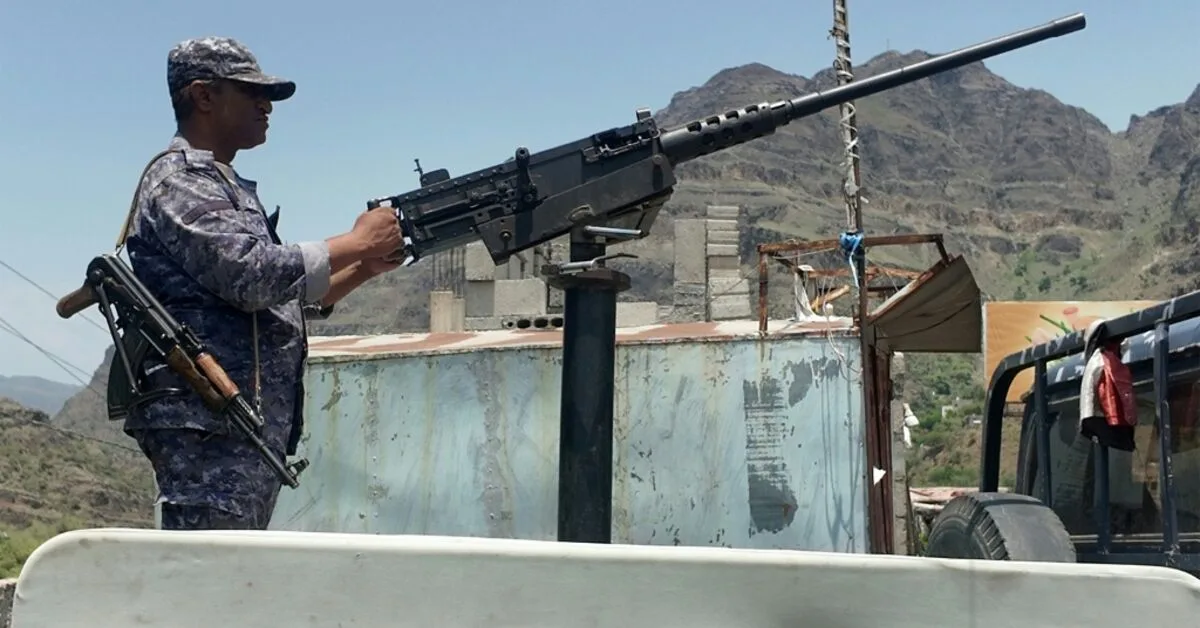
Moreover, military expenditures have increased, diverting more financial resources towards armies and military equipment. This has weakened other economic infrastructures, such as education, health, and tourism. In fact, the southern Gulf countries are struggling to find a balance between security and economic development, but these efforts have become very complicated due to ongoing tensions.
Proposed Solutions
To emerge from this crisis, the countries in this region must seek to diversify their economies. Investment in non-oil industries, strengthening trade relations with other countries, and creating incentives to attract foreign investors could be suitable solutions. Additionally, enhancing educational and health systems could also help improve the economic situation.
Ultimately, the southern Gulf countries must understand that economic security cannot be achieved solely through natural wealth, but requires careful planning and international cooperation to withstand future challenges.