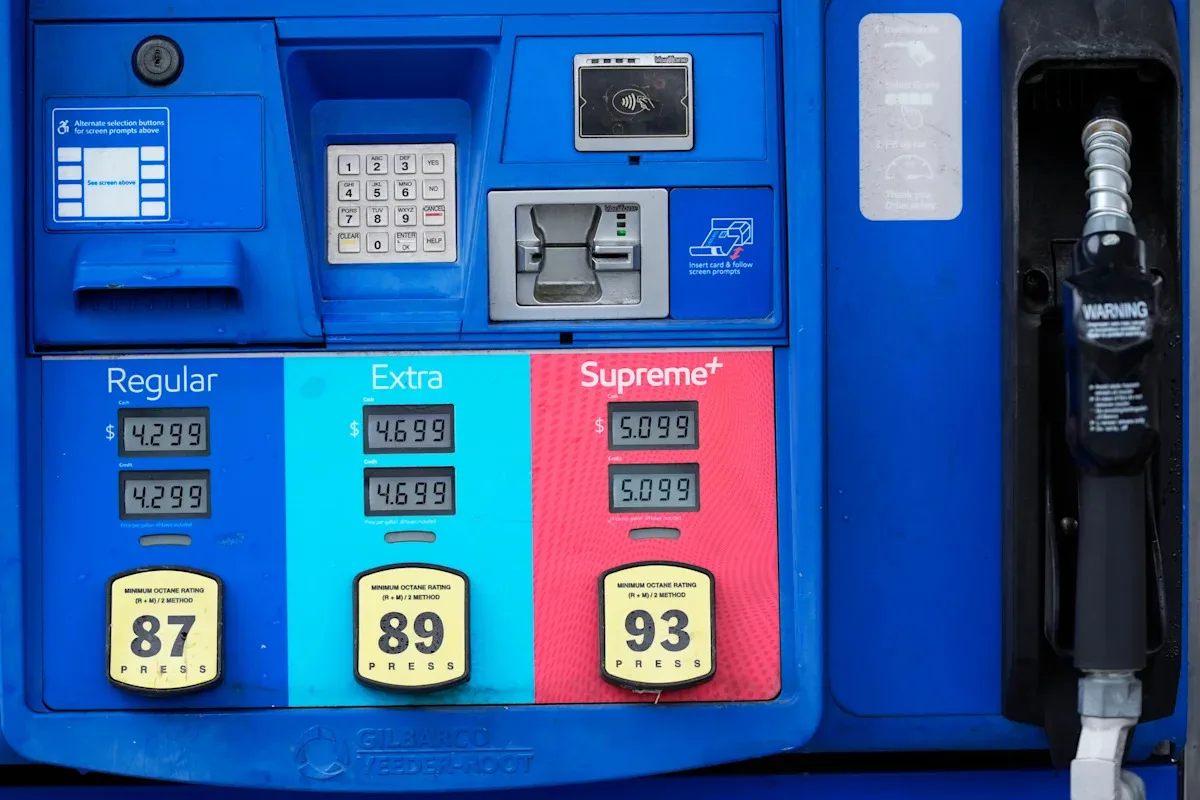
In recent days, gas prices have reached new records, turning this issue into one of the main concerns for consumers and economists. The war in Iran, which has fueled tensions and uncertainty in the energy market, has particularly impacted global prices.
The Impact of War on Gas Prices
The war in Iran has not only led to political instability but has also had profound economic effects. Given that Iran is one of the largest gas producers in the world, any tension and insecurity in this country can directly affect global energy prices.
Currently, many countries are seeking alternatives for their energy sources, which in turn puts more pressure on gas prices. It is expected that as long as this situation continues, prices will remain high unless positive changes occur in Iran's security situation and the global energy market.
The Future of Gas Prices
The main question is whether gas prices will decrease soon. Analysts believe that as long as the political and military situation in Iran does not improve, there is little hope for price reductions. On the other hand, increased demand for fossil fuels in the winter season could also contribute to the ongoing upward trend in prices.
As a result, consumers and businesses need to prepare for a prolonged period of high gas prices. In this situation, planning and managing energy resources becomes increasingly important, and transitioning to renewable sources is also being considered as a serious option.