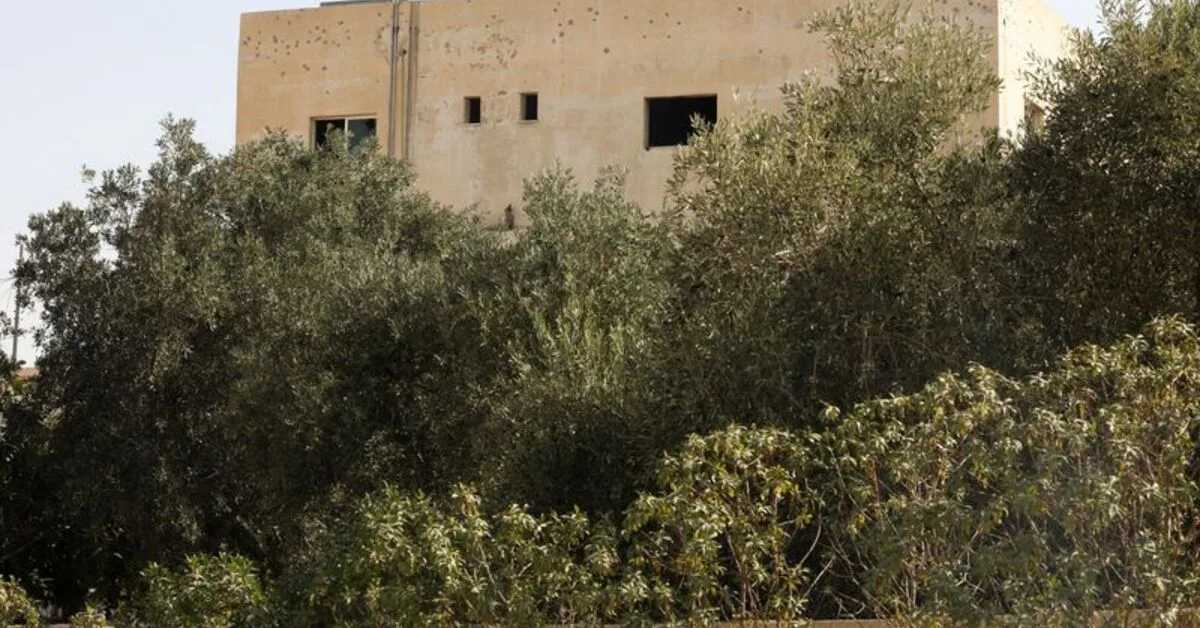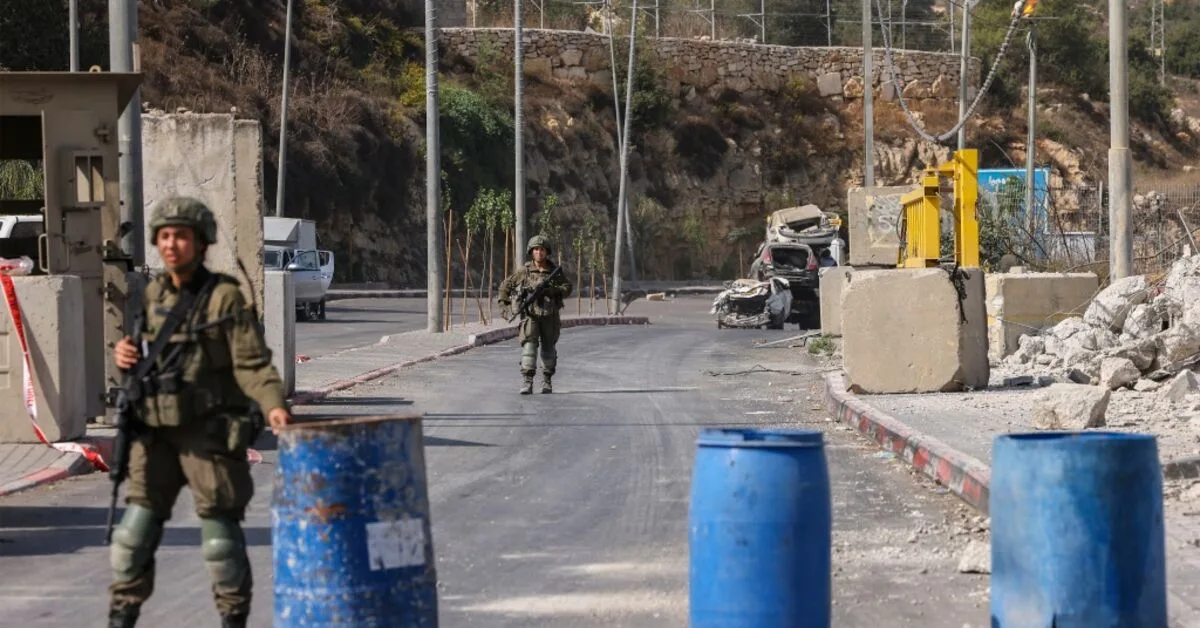
As tensions in the Middle East have reached their peak, the effects of this war on global fuel and food prices are clearly visible. This conflict has not only exacerbated the existing situation but has also led to a sharp increase in prices, affecting the lives of millions.
The Impact of the Middle East Crisis on the Global Market
With the intensification of the war in the Middle East, many analysts believe that this crisis will particularly have significant impacts on fuel and food prices. Fuel prices in global markets have surged, adding economic pressure on households. Alongside this situation, disruptions in fuel supply from Russia have also increased concerns, creating a sort of combination of multiple crises.
Market analysts say that rising fuel prices could also affect food prices. Increased transportation costs mean higher final prices for food products for consumers. In a situation where many countries are facing high inflation rates, these changes could have serious consequences for local economies.
Future Outlook
In these circumstances, many countries are seeking solutions to manage the crisis and reduce pressure on households. But will these efforts be sufficient? With ongoing tensions in the Middle East and instability in fuel and food production, predicting a bright future seems difficult. It appears that the world is on the brink of another serious crisis that may have lasting effects for years to come.