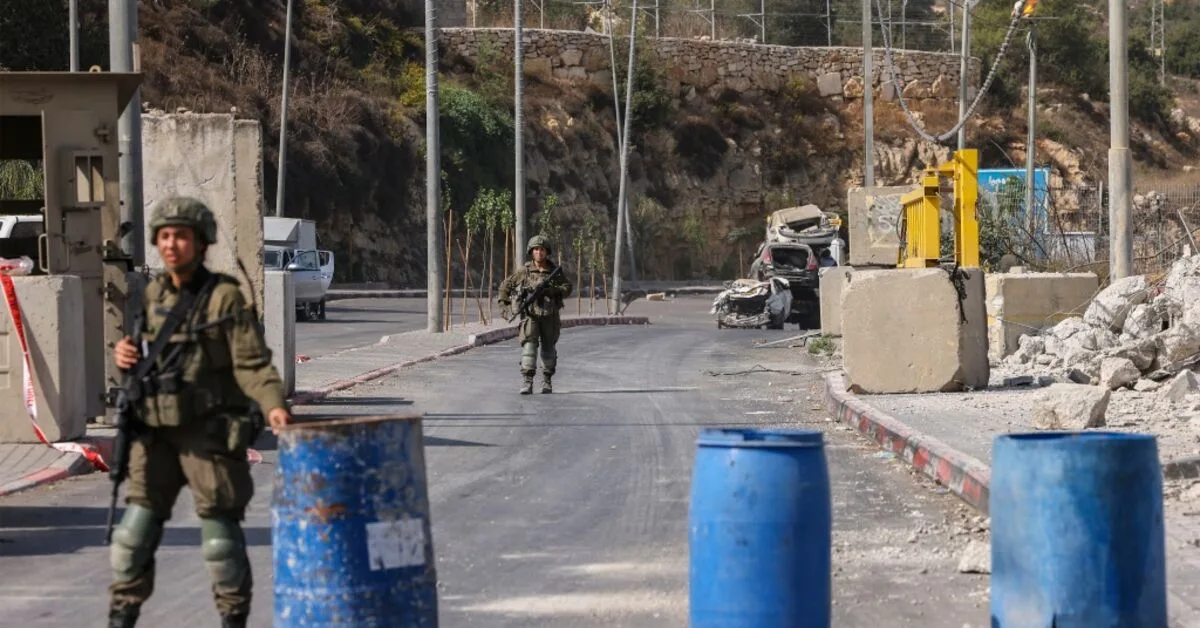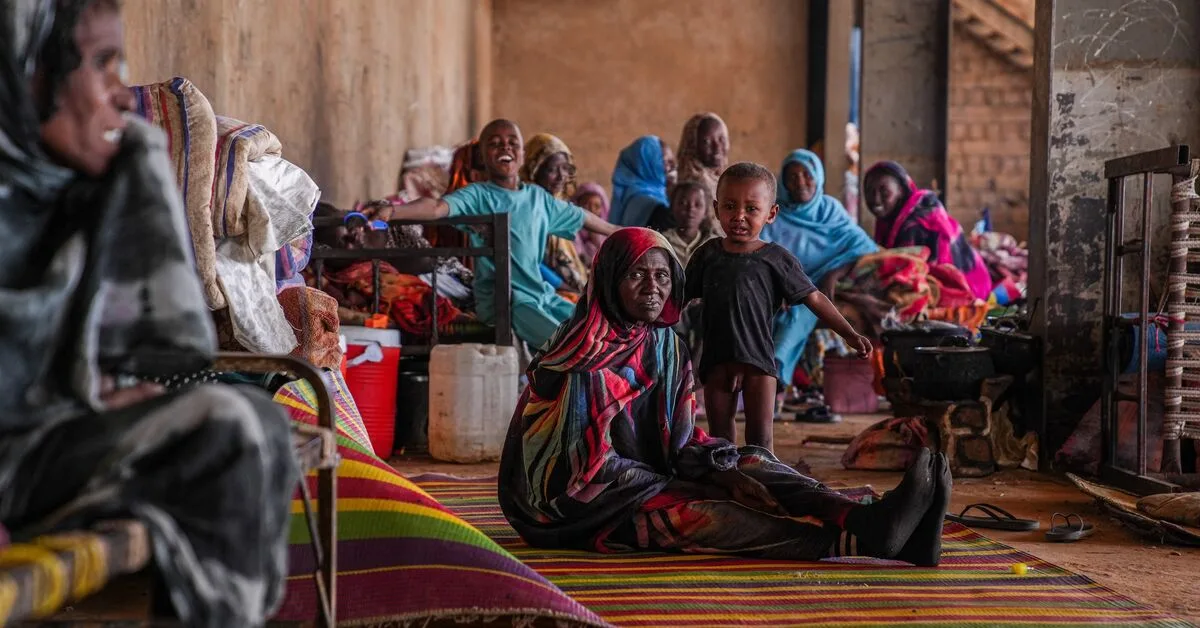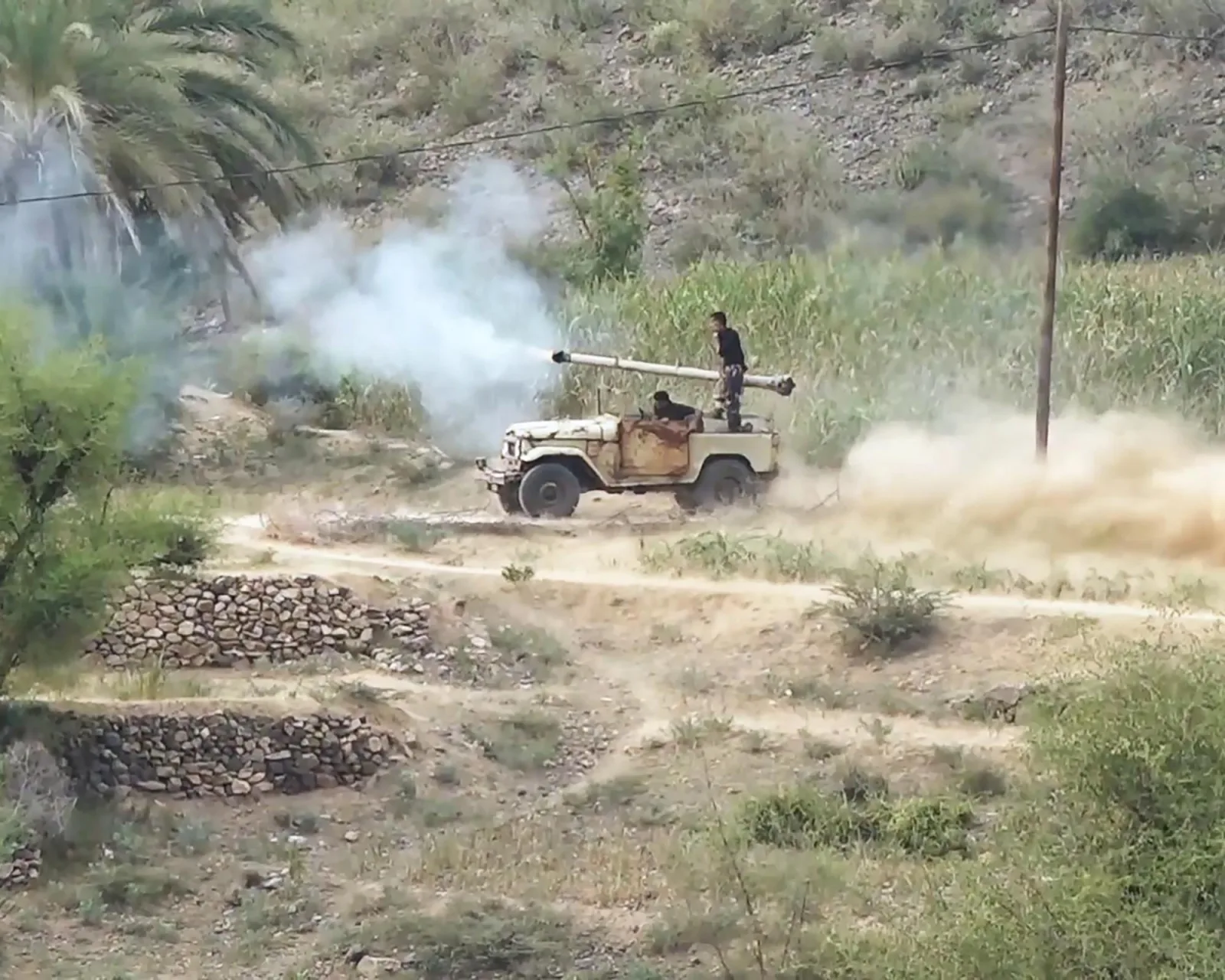
Yemen, which has been engulfed in a humanitarian crisis and civil war for years, has once again become a center of violence. The new conflicts in this country not only affect the lives of millions but are also clearly felt on a global scale. From air and ground attacks to the movements of armed groups, Yemen has turned into a battlefield that has captivated global players.
Why Are Yemen's Conflicts Important?
The recent violence in Yemen not only indicates escalating tensions within the country but also has complex connections to the new cold war between the United States and Iran. These conflicts are seen as part of the proxy wars in the Middle East, where great powers are competing for dominance over their influence in the region. Yemen, as a strategic point, has always attracted the attention of these powers, and this time is no exception.
While Yemen burns in the fires of conflict, other countries are also indirectly trying to exert influence and showcase power. This could have dire consequences for regional and global stability. In fact, any escalation in Yemen could lead to increased tensions in other parts of the Middle East and particularly put more pressure on U.S.-Iran relations.
Global Consequences
The importance of Yemen is not limited to humanitarian and social aspects. These conflicts could impact global markets, especially in the energy sector. Any disruption in the supply of oil and gas from this region could increase prices globally and have widespread economic repercussions for countries.
Therefore, the conflicts in Yemen are not only a humanitarian crisis but are directly linked to global security and stability. A look at history shows that developments in Yemen can lead to unpredictable outcomes in the international arena. In this situation, paying attention to the status of Yemen and its consequences for the global community seems essential.