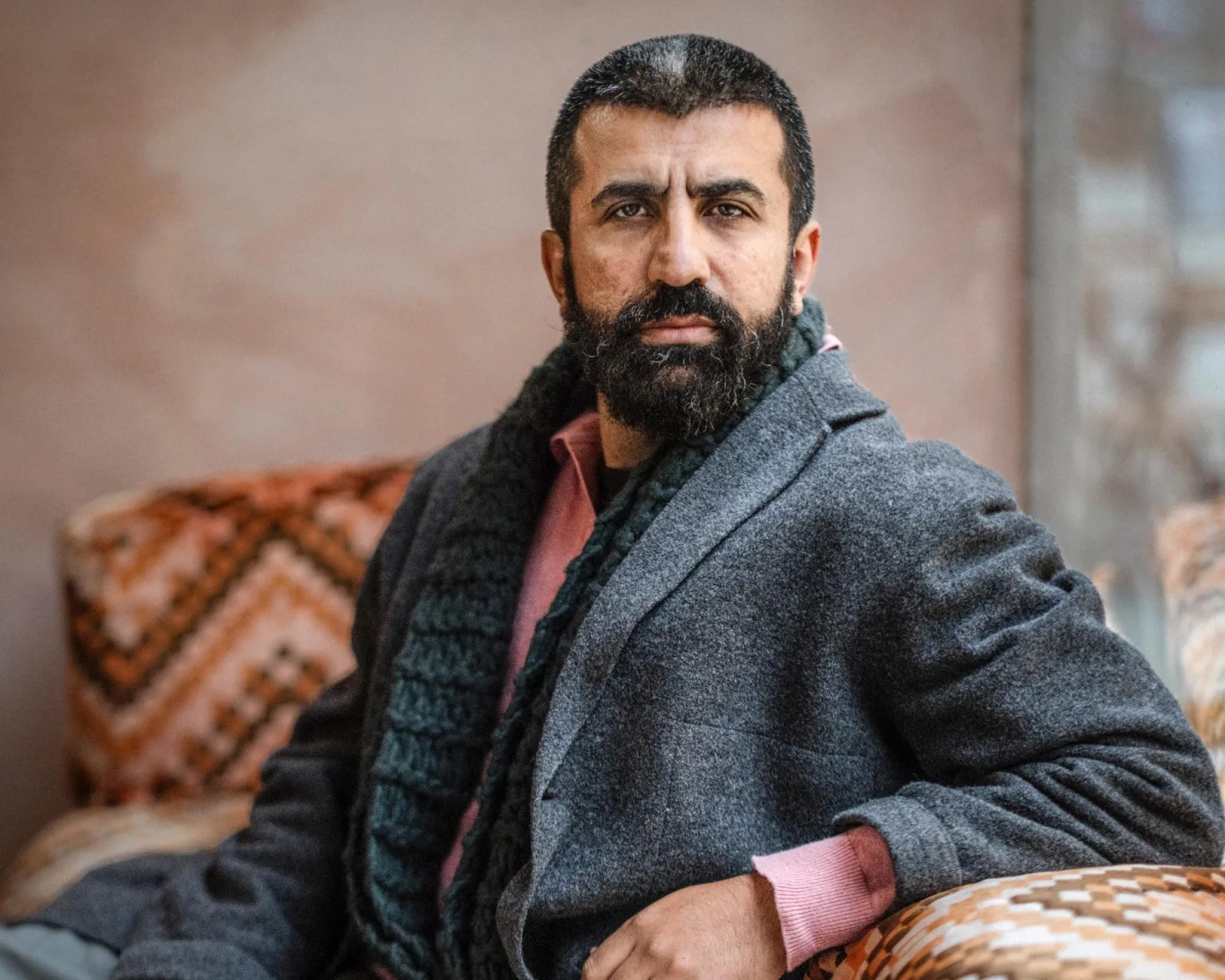
Zirar Ali, a travel writer, faced severe heat challenges during his trip to Saudi Arabia for Hajj rituals. This journey reminded him of how the climate crisis can impact human lives. While participating in the Hajj rituals alongside his elderly father, the temperature rose to over 51 degrees Celsius, creating an unforgettable and difficult experience for them.
Journey to Mecca and the Beginning of the Hajj Ceremony
After a transformative experience in Iran, Zirar Ali decided to leave his administrative job and pursue travel writing. He and his father traveled to Mecca as part of the Hajj rituals. Ali sought an experience that is considered very sacred in his culture and religion. After arriving in Medina, which is regarded as a preliminary stage for Hajj, Ali and his father became familiar with the customs and traditions of this journey.
Read more: Film HOPE: Encountering Aliens with Human Madness in South Korea
At the beginning of the Hajj ceremony, the pilgrimage to the Kaaba and circling around it was a meaningful moment for Ali and the other pilgrims. At this moment, hundreds of thousands of people in white clothing were performing Tawaf and reciting their prayers to God. Due to the heat, Ali felt concerns about his and his father's condition, but initially, the situation seemed bearable.
Challenges Due to Heat and the Climate Crisis
However, on the second day of the rituals, known as the Day of Arafah, everything changed. On this day, which is one of the holiest days of Hajj, the heat intensified, and many pilgrims decided to stay in the shade and use cooling systems. Despite the heat, Ali insisted on participating in the ceremony and making the most of this day. He realized that while groups of pilgrims went indoors due to the heat, he continued with the rituals due to his and his father's commitments.
During this time, Zirar Ali faced challenges such as a lack of water and shade. He recalls how during prayer times, the heat peaked, and pilgrims tried to seek refuge in a small shade. These conditions caused many individuals to suffer severely, and some pilgrims fainted and experienced low blood pressure due to the heat.
Zirar Ali's experience also highlighted the inadequacy of rescue systems in such conditions. He realized that when people are in dire need of help, sufficient services are not provided, which was extremely concerning. He also felt a greater sense of responsibility towards his father and decided to accompany him more cautiously in these conditions.
Ultimately, on the Day of Arafah, Ali ascended to the peak of Arafat, and while the heat continued intensely, he and the other pilgrims engaged in prayers and seeking forgiveness from God. In this moment, Ali felt a sense of peace and tranquility in his heart, as if he had come to terms with all the challenges and hardships.
Read more: Palestinian Women in Kuwait, Guardians of Cultural Heritage and Identity · Houthi Attacks on Saudi Arabia Affecting the Economic Plans of the Country