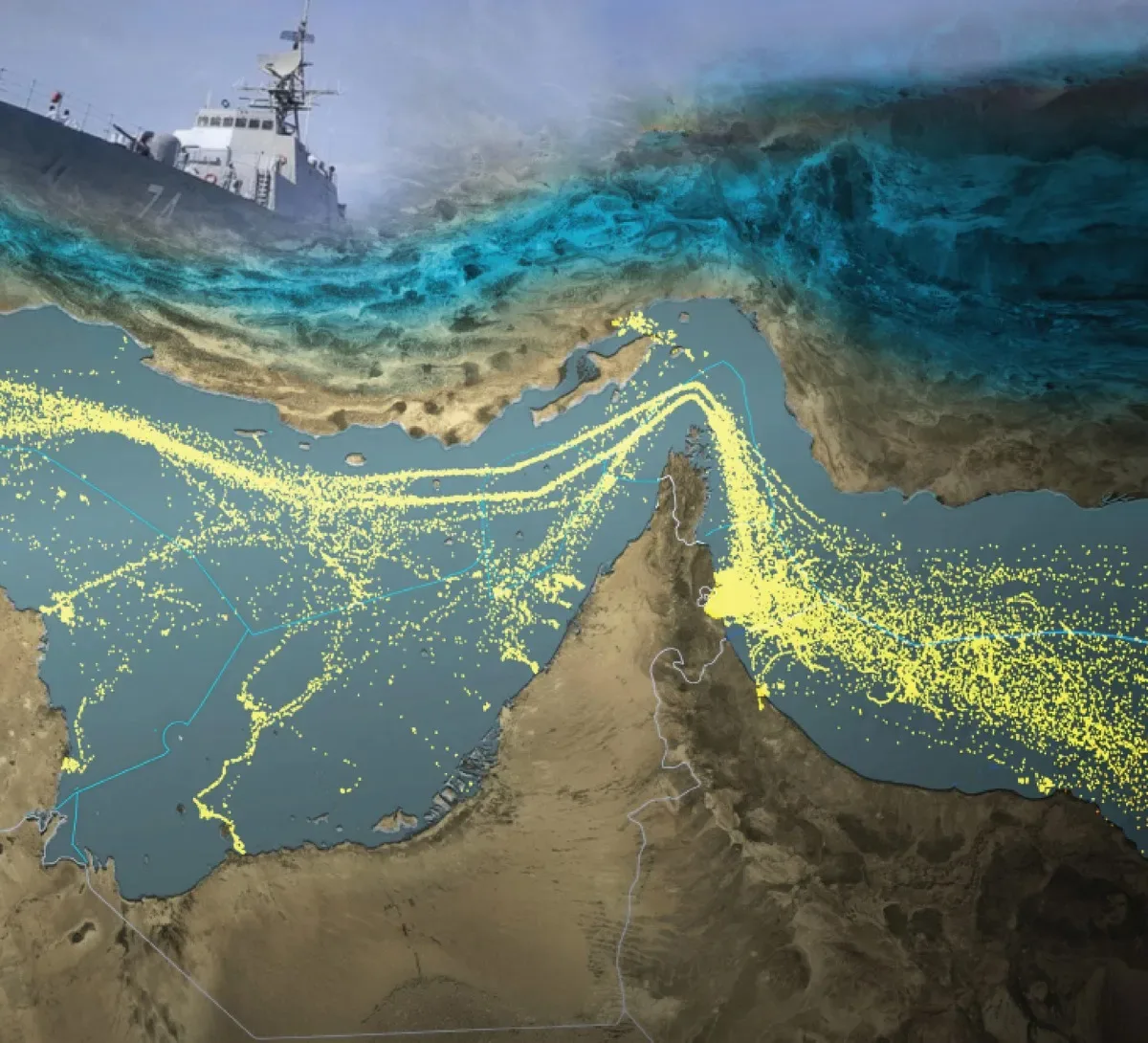
The 6% decrease in global refinery inputs in the second quarter of 2026 occurred due to tensions in the Middle East and disruptions in crude oil supply from the Strait of Hormuz. This has had significant impacts on refining activities in Asian and Middle Eastern countries. According to the U.S. Energy Information Administration, global refinery inputs during this period decreased by 4.8 million barrels per day.
Refinery Situation in Asian Countries
China, as one of the largest consumers of crude oil in the world, faced a decrease of 2.1 million barrels per day in its refinery inputs in the second quarter. This country also encountered a reduction of 0.8 million barrels per day in the third quarter. India, South Korea, and Japan collectively faced a decrease of over one million barrels per day in crude oil inputs in the second quarter, although they managed to improve by 0.8 million barrels per day in the following quarter.
Impact on the Middle East Region
In the Middle East, refining activities sharply declined due to restrictions imposed on oil transportation through the Strait of Hormuz. In this regard, refinery inputs in Kuwait and the United Arab Emirates decreased by 0.7 million barrels per day, in Saudi Arabia by 0.3 million barrels per day, and in Iran by 0.2 million barrels per day. However, refinery inputs in these four countries increased by 0.4 million barrels per day in the third quarter.
Meanwhile, refining operations in Russia also faced increased pressures. Ongoing attacks on the country's oil infrastructure due to the current conflicts in Ukraine led to a decrease of 0.6 million barrels per day in the second quarter and 0.8 million barrels per day in the third quarter. This reduction in refining activities in Russia had a significant impact on global diesel markets, resulting in prices reaching historic highs in September.
In contrast, the United States increased its refinery inputs by 0.5 million barrels per day in both the second and third quarters, bolstering the export of refined products to compensate for shortages in other regions. Despite the improvement in the third quarter, global refinery inputs remained about 5% lower than the levels recorded in the same period of 2025, indicating ongoing disruptions in global refining activities.