The developments in the global energy market in 2026 once again showed that energy security is no longer merely a function of the amount of oil and gas reserves or the production capacity of exporting countries; rather, it is heavily influenced by the security of transit routes, the structure of international trade, supply chain flexibility, and other factors.
Disruption in the Strait of Hormuz and Its Consequences
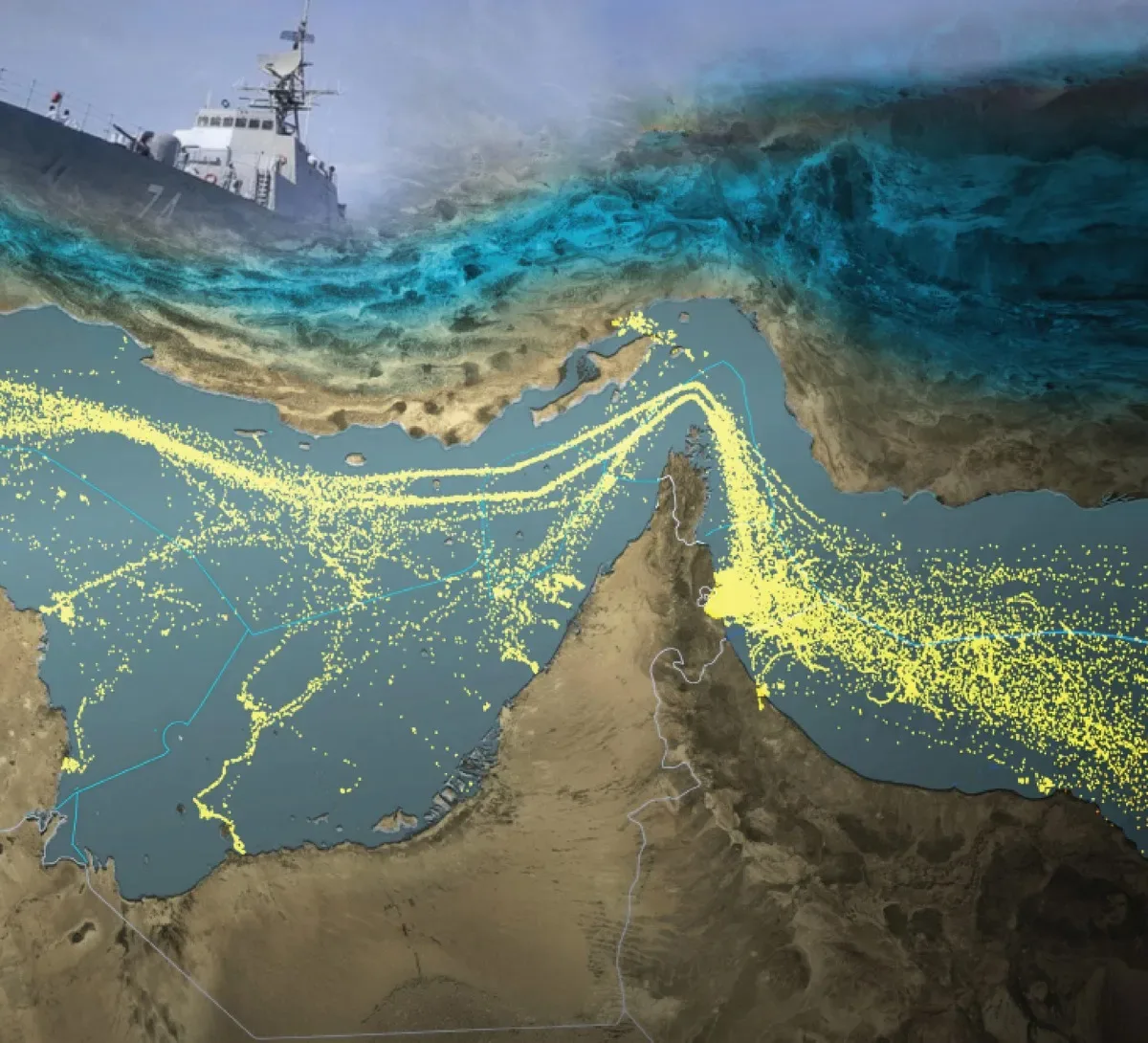
What is currently happening in the Persian Gulf and the Strait of Hormuz is a clear example of the transmission of a geopolitical shock to global markets and its transformation into an economic issue on an international scale. The strategic importance of the Strait of Hormuz arises from the fact that this passage is not merely a geographical route for the passage of oil tankers and liquefied natural gas (LNG) carriers; it is considered one of the main chokepoints linking energy producers in the Middle East with major consumption centers in Asia and other regions of the world. Any disruption in this route not only reduces physical supply but also increases transportation costs, insurance, financing, delivery times, and the risks of commercial contracts.
Read more: U.S. Stock Market Rises After Democrats Win Midterm Elections
Economic and Security Impacts on Europe
In such circumstances, even countries that are not directly present in the region experience the economic effects of this disruption through rising energy prices and import costs. According to the "Global Gas Security Review 2026" report by the International Energy Agency, LNG loading from Qatar and the United Arab Emirates has decreased by more than 60 billion cubic meters from March to October 2026 compared to the same period.
These developments have also impacted the European market, and the European Union has been working to reduce its dependence on limited gas supply routes by diversifying its import sources and strengthening infrastructure since the energy crisis of 2022. However, ongoing disruptions indicate that geographical diversification alone is not sufficient to guarantee supply security.
In this context, the International Energy Agency has warned that in a scenario of continued LNG flow disruptions from the Strait of Hormuz, Europe's storage levels could fall below 10 percent of working capacity by the end of March 2027.
Overall, the developments in the global energy market in 2026 represent an important reality: despite the development of new infrastructures and an increase in the number of suppliers, the global energy market remains vulnerable to disruptions at geographical chokepoints.
Read more: Bank of England Raises Interest Rates for the First Time Since 2023 · Significant Regional Developments: Analysis by Sahand Iranmehr on the New Order in the Persian Gulf