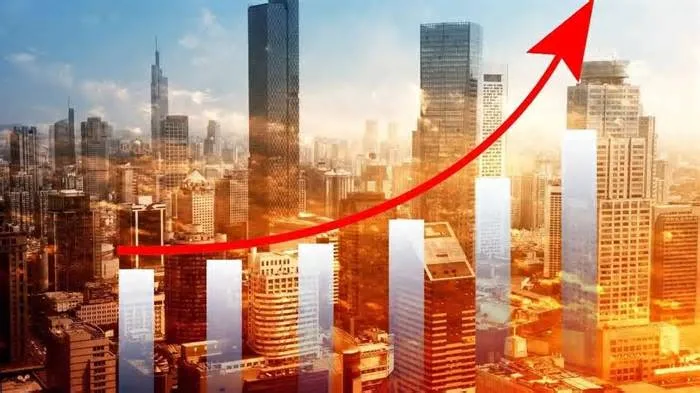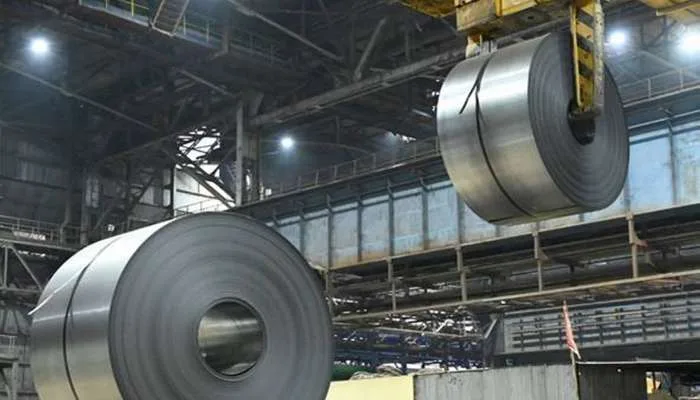
India, by unveiling the national steel policy – Vision 2047, aims to increase crude steel production capacity to 604 million tons (MT) by 2047 and increase steel demand to 505 million tons. This policy also focuses on reducing dependence on imported coking coal.
Growth in Steel Consumption and Production Capacity
Per capita steel consumption in India is expected to rise from 116 kg to 302 kg. The country's crude steel production has increased from 89 million tons in 2014-15 to 170 million tons in 2025-26, and the installed steel production capacity has reached approximately 220 million tons per year.
Read more: Oman's capital market closed with a 0.05 percent increase
Challenges and Opportunities in the Steel Industry
A significant portion of domestic steel consumption, about 67 percent, is related to infrastructure and construction, while automobiles, engineering goods, household items, and packaging account for 28 percent. The new policy expects that urbanization, infrastructure expansion, renewable energy, and new manufacturing sectors will help support demand in the coming decades.
Raw material security remains a key challenge for this industry, as raw materials account for about 65 to 70 percent of steel production costs. India imports nearly 92 percent of its coking coal needs, and this policy suggests expanding domestic mining and coal washing, diversifying foreign sources, and improving coal blending methods to reduce dependence on imports.
This policy also emphasizes the production of cleaner steel. Its goal is to reduce the greenhouse gas emission intensity from 2.54 tons of carbon dioxide per ton of crude steel to 1.54 tons by 2047. These measures include improving energy efficiency, using renewable electricity, increasing the use of waste, and producing hydrogen-based steel.
Additionally, this policy aims to strengthen domestic capabilities in high-value and special steels, develop systems for collecting and recycling steel waste, and promote the production of technology and steel manufacturing equipment domestically. Furthermore, artificial intelligence, automation, and digital technologies have been identified as tools to improve productivity, quality, and resource efficiency.
The proposed framework is designed to guide the development of this sector until 2047, and its implementation requires coordinated cooperation among the center, state governments, industry, and other stakeholders.
Read more: IMF and World Bank meetings in Thailand and global economic challenges · India's economic growth forecast by Sanjeev Malhotra increased to 7.1 percent