The Iranian government reacted to the Democratic Party's victory in the United States midterm elections, interpreting it as an expression of the American people's opposition to wars and the warlike policies of Donald Trump.
Reactions from Iranian Officials
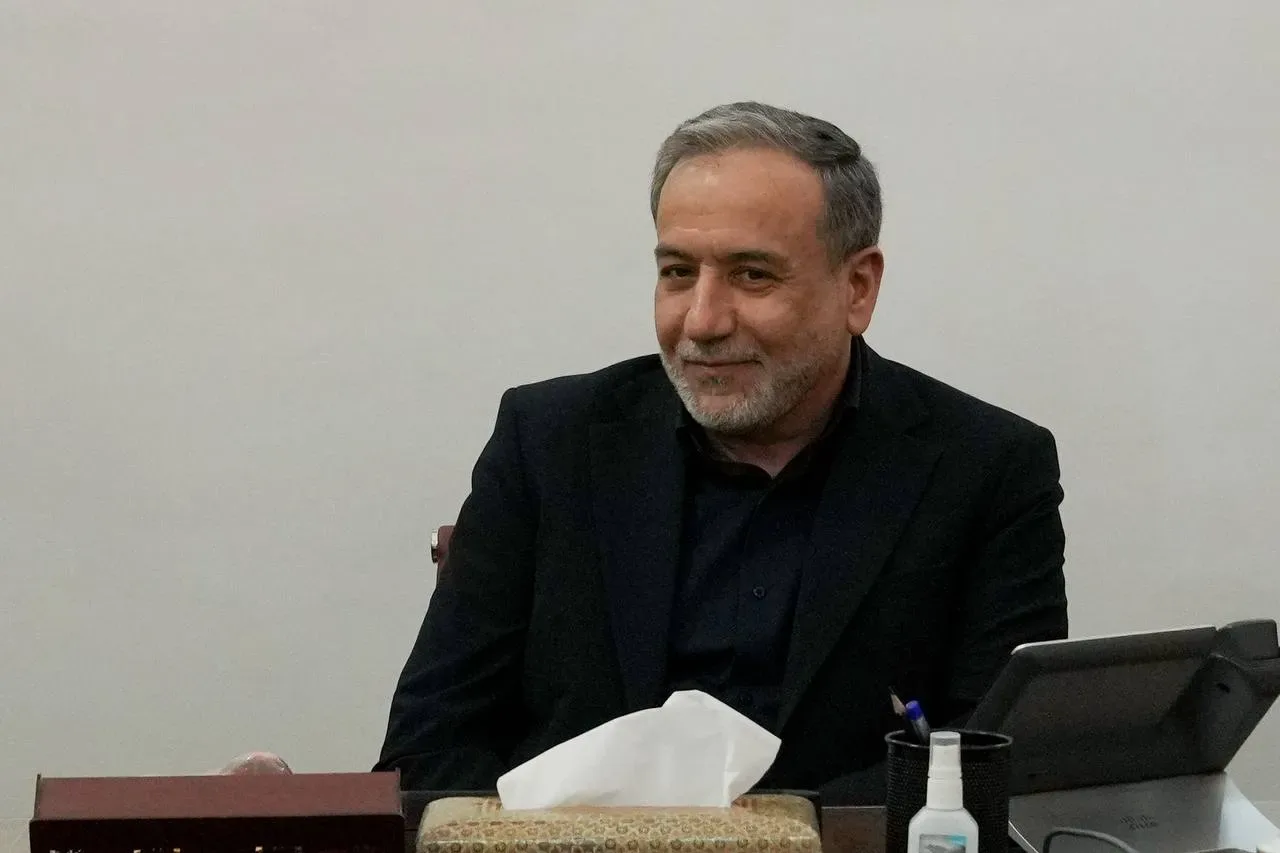
Mohammad Baqer Qalibaf, the Speaker of the Islamic Consultative Assembly of Iran, wrote in a post on the social media platform X (formerly Twitter): "Whether out of conscience or the cost of living, Americans said no to war, and we affirm this message." He also urged Washington to respect public opinion and refrain from repeating attacks on Iran.
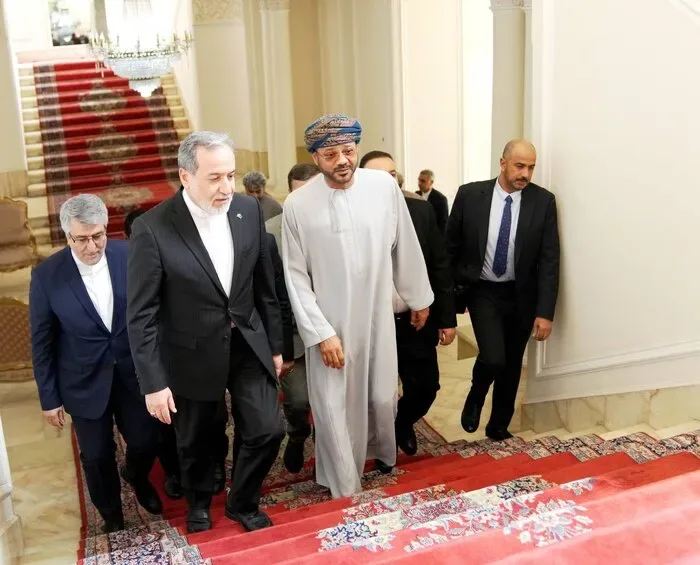
Read more: Iran and Qatari Mediators Held the Third Day of Negotiations to End the War with America
Ali Khamenei, the Supreme Leader of the Islamic Republic of Iran, stated in a written statement that U.S. hostility would continue under any circumstances and warned against "even the slightest inclination to surrender" to America. He added: "America sees the end of its hegemony as distant; however, we consider it to be near."
Election Outcomes and Concerns
The Democrats' capture of the majority in the U.S. Senate and House of Representatives reflected deep public dissatisfaction with Trump's economic management and war decisions. In Iran, a media outlet affiliated with the judiciary shared a joke on social media X that referenced this issue: "Trump failed to change the regime in Iran, but succeeded in Texas."
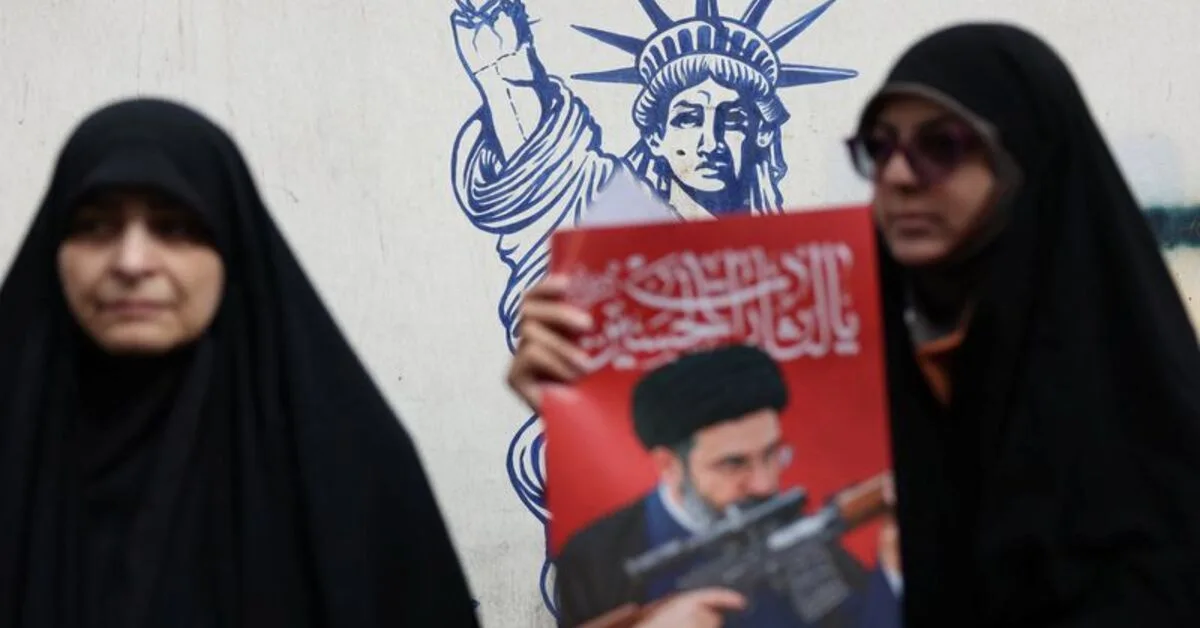
At the same time, senior Iranian sources pointed to the possibility of retaliatory military actions by Trump after the elections and expressed their concerns about this issue. Iran has always regarded the United States as its main enemy, referring to it as the "Great Satan."
At a government rally on Wednesday, marking the anniversary of the seizure of the U.S. embassy in Tehran in 1979, protesters expressed happiness over the Democrats' victory, interpreting the event as a sign of Iran's success against U.S. attacks.
One participant said: "The defeat of the warlike Republican powers is an unprecedented event in human history, and from now on, we will witness real wars within the U.S. Senate and among American officials."
Despite increased efforts to end the war, concerns about the revival of conflicts after the elections persist in light of Trump's statements, which did not rule out the possibility of continued military operations.
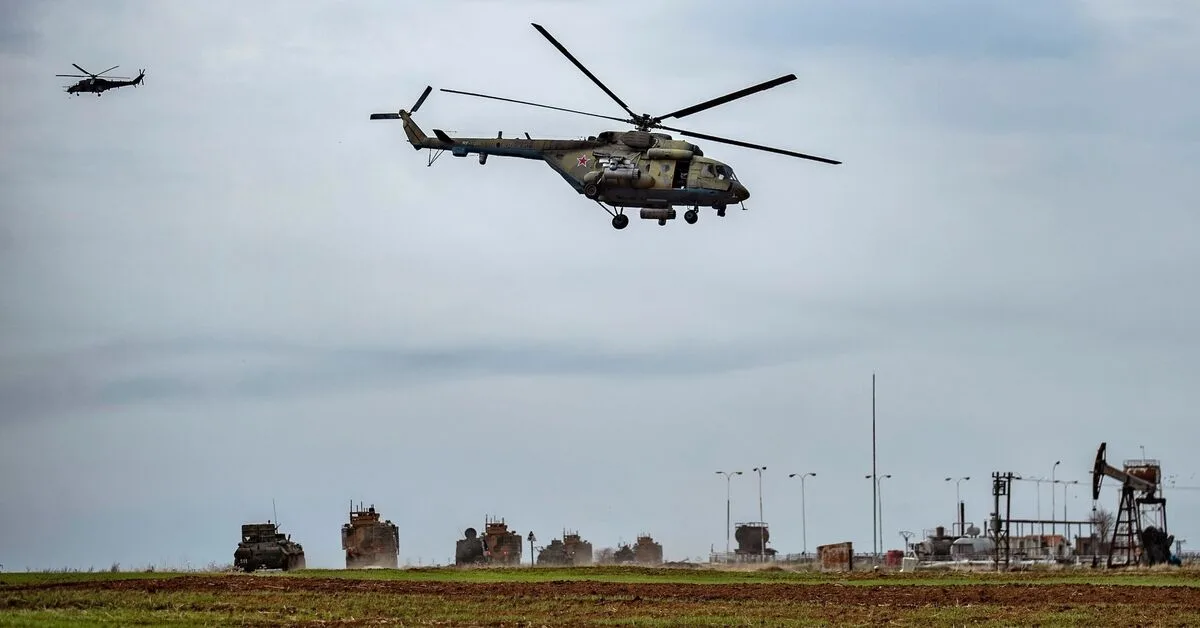
In February, the United States and Israel attacked Iran, and Iran responded to these attacks with counterattacks against Israel and Gulf states. The conflicts also spread to Lebanon and Yemen, with Iranian-aligned Houthi forces attacking energy facilities and airports in Saudi Arabia.
Rising global oil and gas prices due to disruptions in transportation from the Strait of Hormuz and the imposition of a naval blockade on Iran have put significant pressure on the country's economy.
Senior Iranian officials had stated before the U.S. elections that Tehran was deliberately delaying negotiations with Washington to help weaken Trump's political standing.
While polls show that the war in Iran is not very popular among Americans, Iranian officials have clearly indicated that they have no intention of being flexible in their demands for permanent control over the Strait of Hormuz.
Khamenei concluded by emphasizing: "The consequences of miscalculations and arrogant delusions have appeared as a heavy burden on the shoulders of the American people and the regimes subservient to America."
Read more: Iran Awaits U.S. Response Regarding the Strait of Hormuz Plan Amid Qatari Mediation · Houthi Attacks on Aden Airport in Yemen After Evacuation Warning