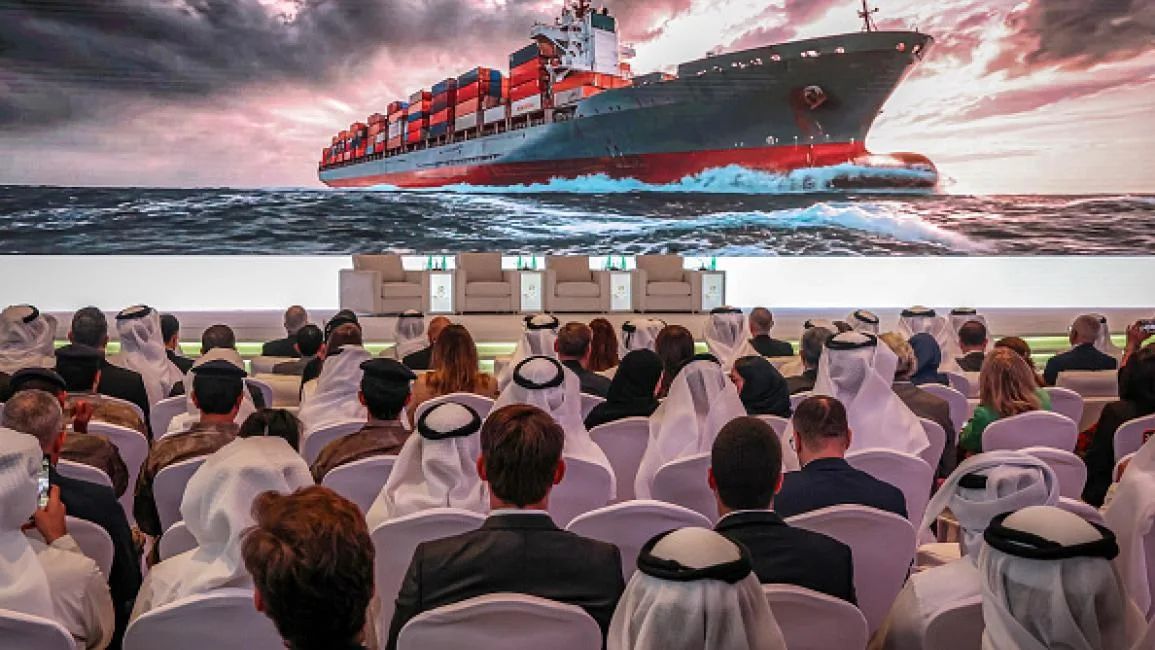
Disruption in oil exports from the Persian Gulf has imposed new economic pressures on the producing countries of this region. The reduction in export volumes, rising transportation and insurance costs, and difficulties in financing development projects are the main consequences of this situation. Despite a relative improvement in exports in September, this increase alone is not sufficient to ensure revenue growth.
Dual Challenges for Oil-Producing Countries
Oil-producing countries in the Persian Gulf are facing a dual challenge: on one hand, they must maintain export routes, and on the other hand, they need to manage financial flows under disrupted transportation conditions. Rising operational costs, stemming from the use of land storage and tankers for temporary storage, have added to these challenges. If producing countries cannot sell their oil, a reduction in production until exports return to normal may become unavoidable.
Read more: Investment Opportunities in Oman's Airports Examined
Declining Exports and Their Impact on Project Development
According to data from Kepler, crude oil exports from major Middle Eastern producers in September reached about 16.33 million barrels per day. This figure represents a significant decrease compared to previous months. The relative improvement in exports has been due to increased shipments from Saudi Arabia and the UAE. However, damage to Saudi Arabia's East-West pipeline and restrictions on alternative routes have reduced the maneuvering space for producing countries.
This situation not only affects export revenues but also diminishes governments' ability to finance development projects. A prolonged crisis may lead to a reassessment of spending priorities and financing methods for commitments. In such circumstances, some countries may be forced to use part of their financial reserves or seek new sources of funding.
Measures to Address the Crisis
Economic experts point to various options to cope with this crisis. Utilizing land transportation, especially for small shipments, could be one solution. This method could help expedite delivery and reduce waiting times at ports. However, the capacity of this method is limited compared to tankers and pipelines used for transporting large volumes of crude oil.
Ali Ahmad Darwish, an economic expert, notes that continued export restrictions will push producers to increase storage, develop alternative routes, or reduce production if they are unable to sell existing oil. Additionally, increasing security risks could diminish the effectiveness of these options.
Read more: Oman Bans Imports of Certain Fish from Romania · Decrease in Ship Traffic in the Strait of Hormuz Amid Middle East Tensions