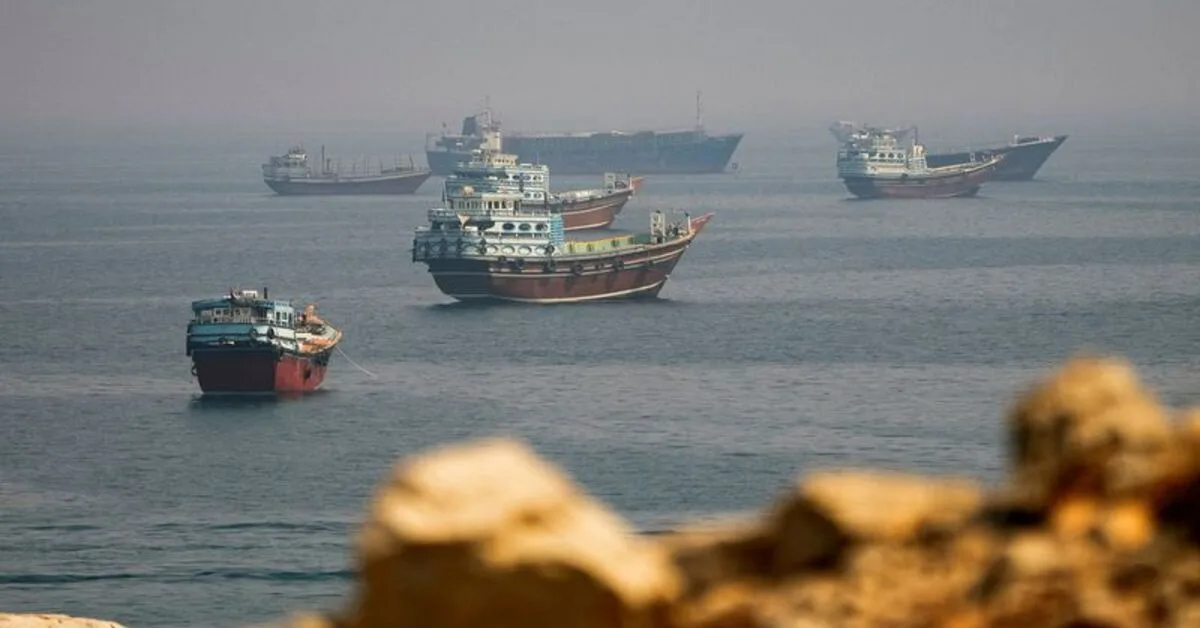
The Strait of Hormuz, as one of the most important energy transit corridors in the world, has recently witnessed a significant decrease in ship traffic. According to new data, only 12 ships passed through the strait last week, down from 35 ships the previous week. This situation has raised concerns about the security and economic impacts in the region.
Impact of Geopolitical Tensions
The Strait of Hormuz, as the passage for one-fifth of the world's oil and liquefied natural gas, is currently facing serious challenges. Ongoing tensions between the United States and Iran and the critical situation in the Middle East have directly affected the amount of ship traffic in this area. Despite the decrease in traffic, Middle Eastern producers continue to export their oil, but many ships are continuing their journeys by turning off their identification systems.
Read more: The U.S. Government and the Houthis: New Developments in the Persian Gulf
Details of Ship Traffic
According to preliminary data, four traceable ships, including two tankers carrying refined petroleum products and two empty ships for bulk goods and gas, exited the strait on Sunday. Additionally, two small oil tankers entered the Persian Gulf. On Saturday, five ships carrying agricultural products, liquefied gas, and fertilizers were active, indicating that economic activities continue in this region.
Before the start of the U.S. and Israeli war with Iran on February 28, the Strait of Hormuz typically managed around 125 large commercial ships daily, including tankers, gas carriers, cargo ships, and container ships. This significant decrease in ship traffic clearly indicates the negative impacts of the existing tensions in the region on global energy trade.
Read more: The United States Warns of Rapid Escalation of Conflicts in the Middle East · Delay of Muscat Meeting Due to Disputes Over Shipping in the Strait of Hormuz