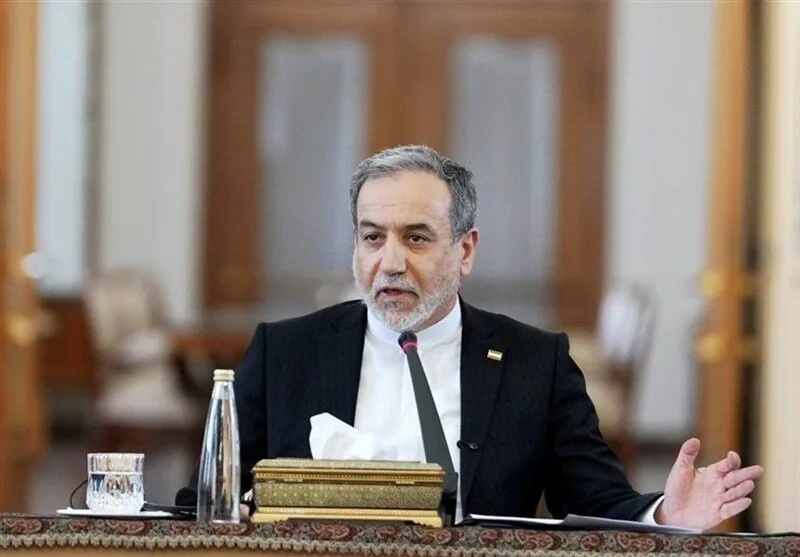
Abbas Araghchi, Iran's Foreign Minister, emphasized the necessity of cooperation among regional countries to ensure sustainable security at the fifty-second meeting of the Council of Foreign Ministers of the Organization of Islamic Cooperation, stating: "No government can build sustainable security at the expense of others' security."
The Need for Regional Problems to be Solved by Neighboring Countries
Araghchi stated that regional problems must be solved by the countries of the region themselves and within them, so as not to provide a pretext for the wars of distant powers. He added: "The territory, airspace, and infrastructure of each country in the region must serve regional security and never become a launchpad for attacks against neighbors."
The Iranian Foreign Minister pointed out that the people of the region share a common future, saying: "The choice before us is simple: either we build security together, or we will endure insecurity together. Iran is ready to cooperate with all its brothers and neighbors to achieve the first option."
Criticism of Violations of International Law by the U.S. and Israel
Araghchi continued by referring to the violations of international law by the U.S. and the Zionist regime, stating: "These countries have disregarded international law and the United Nations Charter through aggression, threats, terrorism, and economic warfare." He referenced the countless martyrs resulting from military aggressions and called for solidarity among Islamic countries against these crimes.
The Iranian Foreign Minister emphasized that his country will defend its people and sovereignty while also stressing the importance of peace and diplomacy. He said: "We do not seek any special treatment; we only demand equal application of rights and responsibilities."
Araghchi also referred to safe navigation in the Strait of Hormuz, adding: "The waterway, which is vital for energy and trade for many of our member countries, must remain completely open and secure. Insecurity and disruption in navigation are a direct result of the aggressive actions of the U.S. and Israel."
In conclusion, he noted that diplomacy was yielding results, and Iran and the U.S. signed an agreement in June related to the security of ship movements. However, unilateral actions by the U.S. hindered the implementation of this agreement.
Read more: The United States and Iran: Diplomacy Under Military Pressure · Lavrov: The security of the Persian Gulf must be ensured by the decisions of regional countries