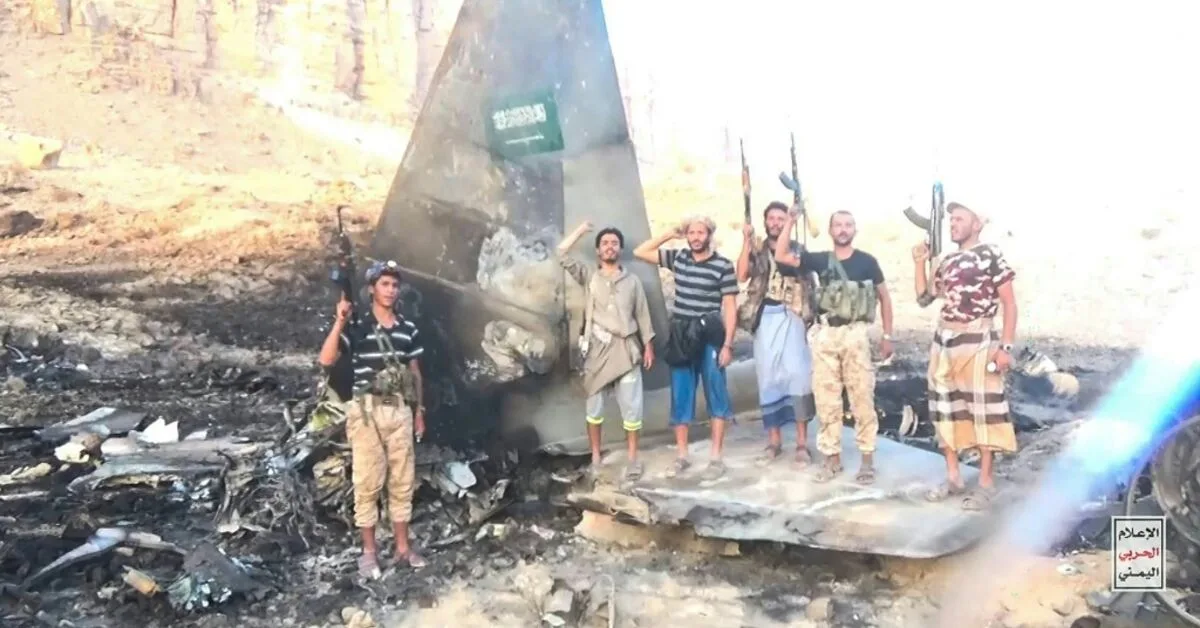
Abdul-Malik al-Houthi, the commander of the Houthi group known for having a battle-hardened force, has captured the Red Sea coasts of Yemen in a major military success and taken control of one of the vital global transportation routes. This action, which has been accompanied by attacks on Saudi Arabia, has strengthened the Houthis' position to determine the fate of the Bab el-Mandeb Strait.
Strategic Impacts on Global Trade
Analysts believe that this operation could halt global trade in one of the most important channels for the transit of goods, especially oil. These movements, given the current situation in the Middle East, particularly in light of the existing tensions between Iran and Saudi Arabia, have become a serious challenge for regional powers.
Al-Houthi, who has equipped his forces as a large and resilient force against the airstrikes of the Saudi coalition, has also managed to acquire advanced weapons such as drones and ballistic missiles. While the UN-mediated ceasefire in 2022 failed to lead to a lasting peace in Yemen, al-Houthi is strengthening Iran's position against its rivals by creating a new front in the regional conflicts.
Humanitarian and Political Challenges
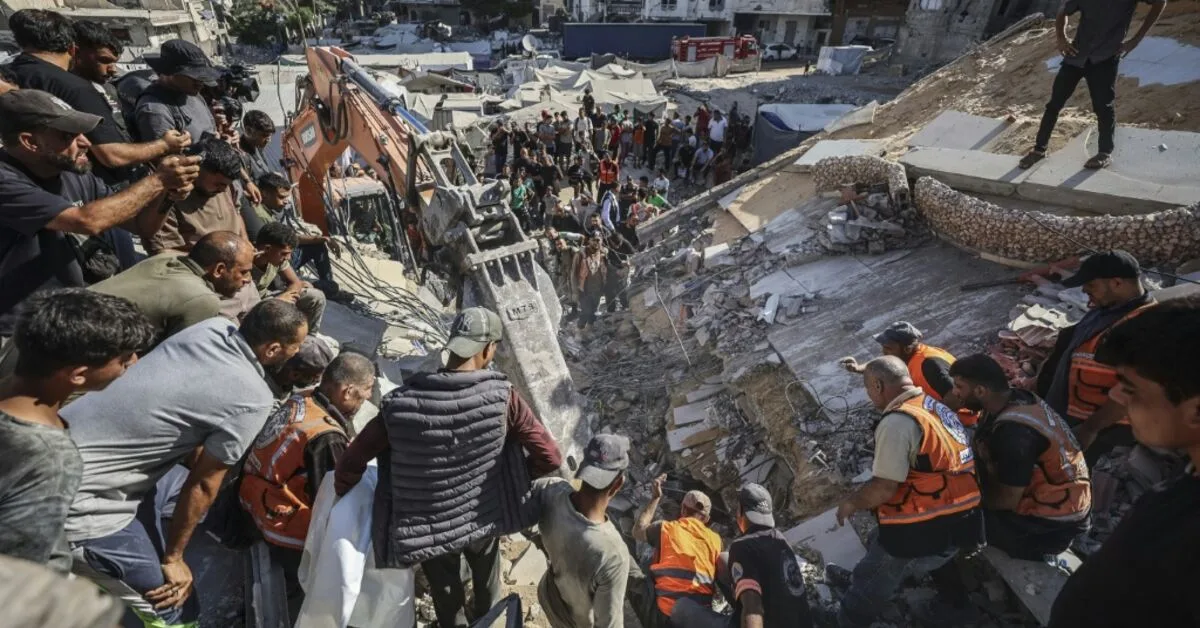
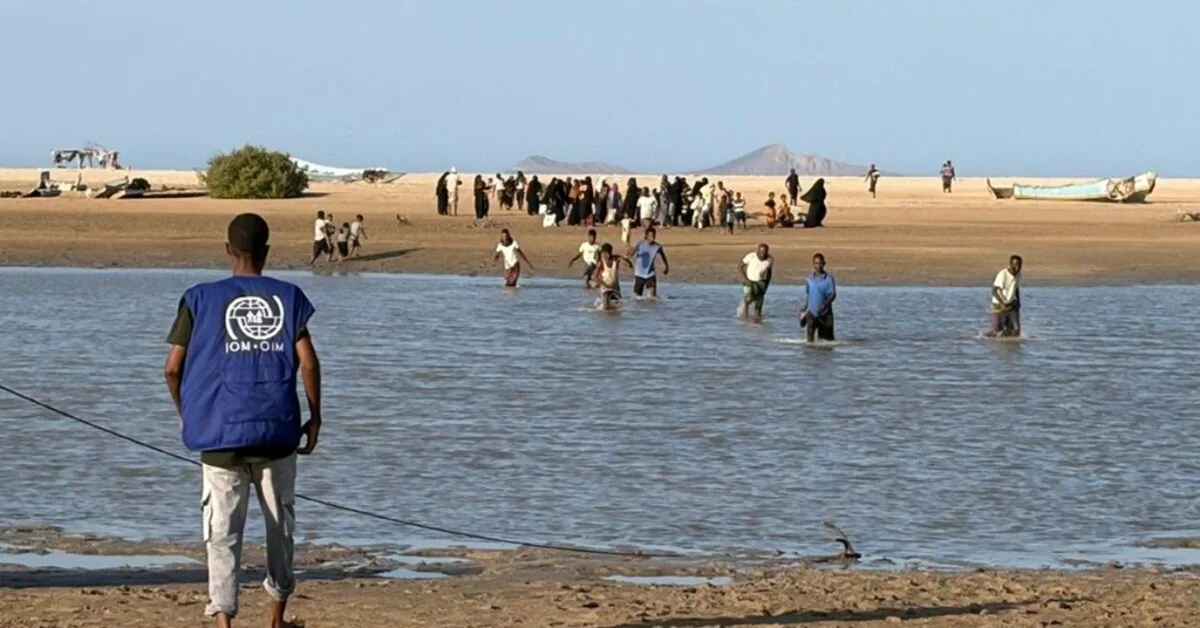
The war in Yemen has created one of the worst humanitarian crises in the world, claiming the lives of tens of thousands and devastating the country's economy. Al-Houthi has repeatedly referred to the inequalities and injustices in the region in his speeches and has called for attention to his Islamic and national identity. He has emphasized his continued struggle against what he calls American and Israeli domination, referencing recent developments in Gaza and their implications for Palestinians.
However, al-Houthi's communications with foreign officials rarely occur face-to-face, and for security reasons, he is reluctant to meet others in person. This has added to the mystery of his character and positioned him as one of the key figures in the political equations of the Middle East.
Al-Houthi's leadership, while his country grapples with humanitarian and economic crises, may contribute to the continuation of conflicts and escalation of tensions in the region. Meanwhile, as one of the Arab leaders close to Iran, he is under significant attention and challenge in the landscape of Middle Eastern politics.