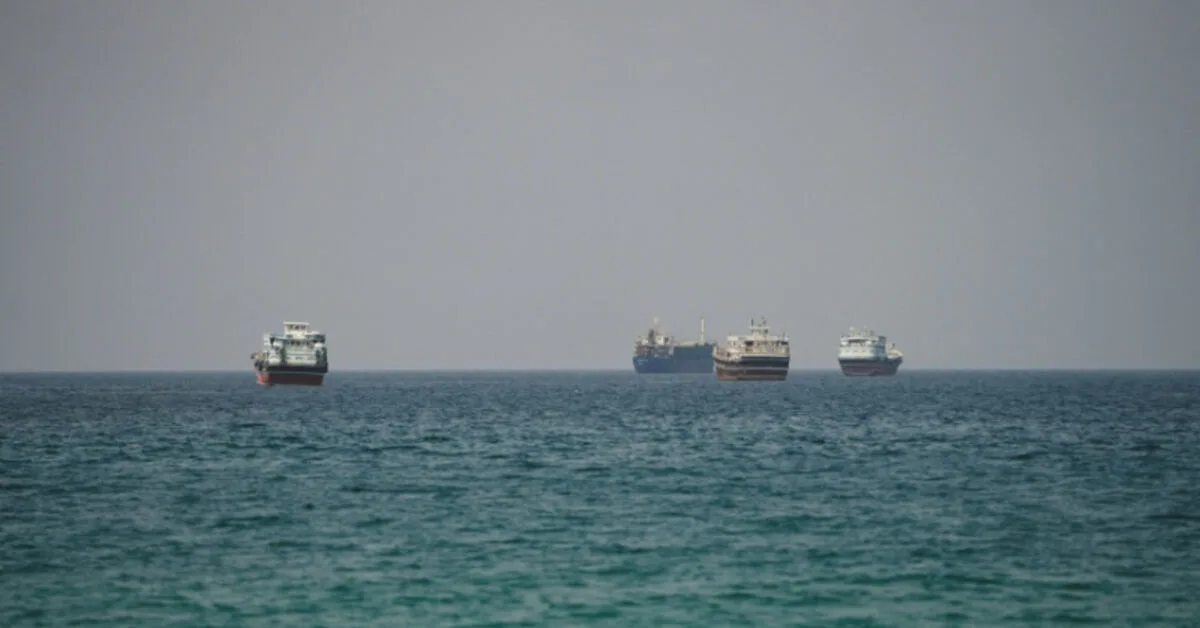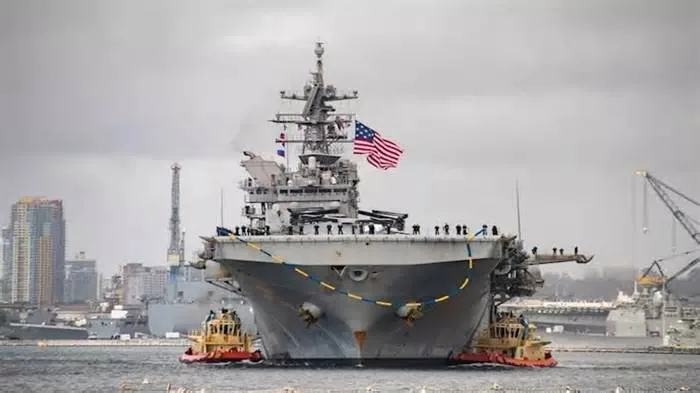
Amid rising tensions in the Persian Gulf, the United States has decided to reduce military protection for oil tankers in the Strait of Hormuz. According to obtained information, oil tankers have been instructed to only pass through the strait at specific times to receive military support.
Impacts of This Decision on Maritime Security
This change in U.S. protective policies could have widespread implications for maritime security in this sensitive region. The Strait of Hormuz, which is considered one of the most important routes for oil tankers in the world, has witnessed increased military activities and political tensions in recent years.
With this action, the U.S. aims to create conditions that, while preserving national interests, reduce the risks associated with oil tanker passage. However, the question that arises is whether this decision could lead to an increase in maritime attacks and threats against oil tankers.
New Challenges Facing the Oil Industry
Given that many countries are heavily dependent on oil tankers, these changes in protective policies could impact global oil prices and the energy security of nations. Many experts believe that the new restrictions may have negative effects on the global oil market and lead to price increases.
Ultimately, this action by the U.S. may be seen as a reaction to political and military developments in the region and could exacerbate tensions between regional countries and global powers. In this context, the future of oil tanker passage in the Strait of Hormuz faces questions that need to be addressed.