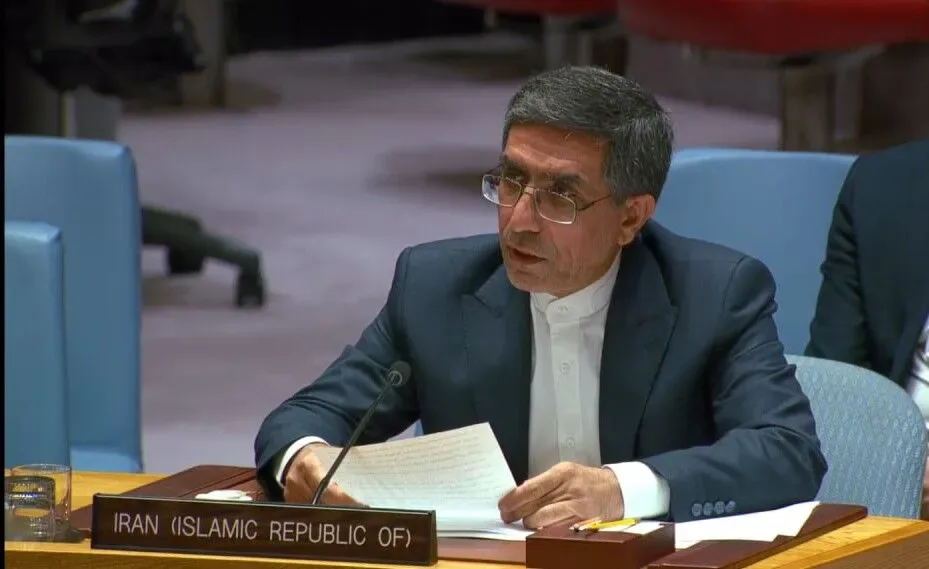
Gholamhossein Darzi, Ambassador and Chargé d'Affaires of the Islamic Republic of Iran to the United Nations, at the Security Council meeting on "Emerging Technologies and Maritime Security: Implications for Peace and Security," explicitly stated that the responsibility for any disruption, obstruction, or interference in navigation in the Persian Gulf and the Strait of Hormuz lies directly with the aggressors who facilitate or participate in their aggressive actions against Iran.
Concerns About Maritime Threats and Foreign Interference
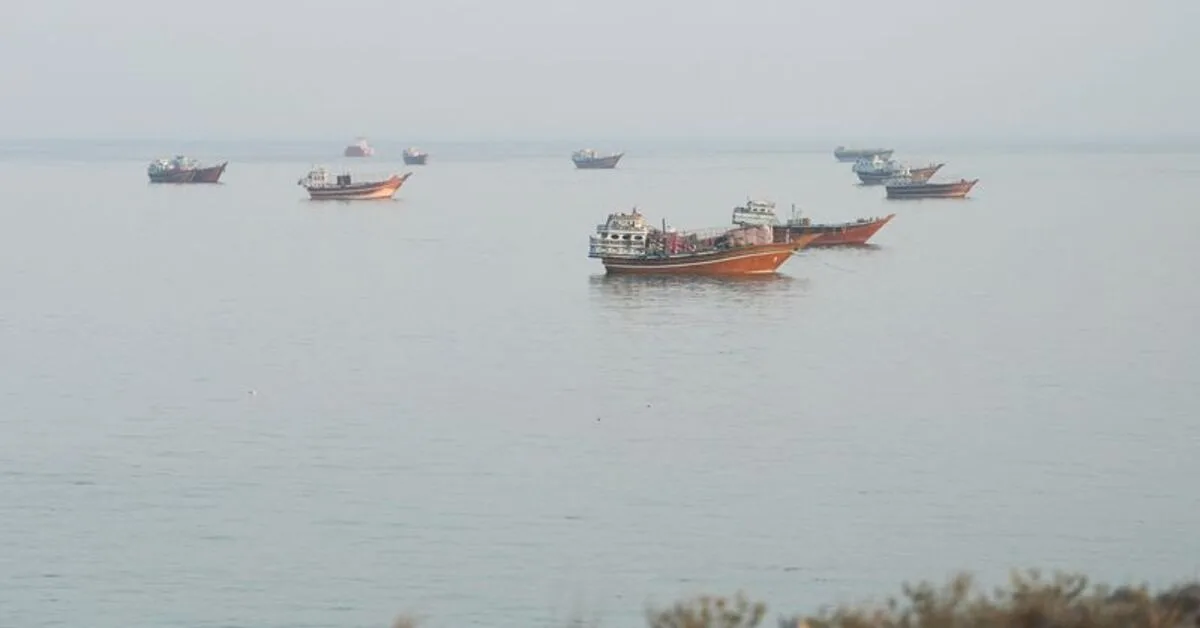
In his speech delivered at local time on October 28, 2026 (Aban 7, 1405), he said: "The responsibility for any disruption, obstruction, or interference in navigation in the Persian Gulf and the Strait of Hormuz lies directly with the aggressors who facilitate or participate in their aggressive actions against Iran." He emphasized that these illegal actions have jeopardized maritime security and freedom of navigation.
The senior diplomat of the Islamic Republic of Iran, referring to emerging technologies, including artificial intelligence, stated that these technologies provide opportunities to enhance maritime security but also create new vulnerabilities. He stressed that the Security Council must address real threats and respect the role and mission of relevant institutions.
History of Aggressions and Resulting Damages
Darzi stated that Iran, as a coastal country, has always adhered to maritime security and freedom of navigation, pointing to the recent aggressive actions of the United States and the Israeli regime. He noted that since February 28, 2026, the United States, along with the Israeli regime, has launched a brutal and aggressive war against Iran, targeting Iranian civilian and maritime infrastructure.
He referred to several incidents that indicate the deterioration of the situation. For example, on March 4, 2026, an American submarine attacked the Iranian corvette "Dena," resulting in the deaths of over 100 Iranian sailors. Additionally, on April 19, 2026, U.S. military forces attacked the Iranian commercial vessel "Toska," and according to the U.S. Central Command, during the naval blockade, the routes of 100 commercial vessels were altered, and four vessels became incapacitated.
Darzi added: "The naval blockade that began on April 12, 2026, is a blatant violation of Iran's sovereignty and territorial integrity and a gross violation of Article 2, Paragraph 4 of the United Nations Charter." He emphasized that this blockade jeopardizes civilians' access to food, medicine, fuel, and other essential items, imposing collective punishment on them.
Iran's Actions and Demand for Accountability
Darzi stated that "Iran's actions are defensive and legal in nature," emphasizing that Iran is exercising its legitimate right to protect its territorial integrity, people, and national interests against U.S. threats. He called for full accountability for gross violations and damages inflicted on civilians and warned the Security Council not to remain silent in the face of these violations.
He also urged the Security Council to explicitly demand that the United States end these illegal actions, and Iran will pursue all available legal avenues to ensure accountability for the perpetrators of these actions and crimes.