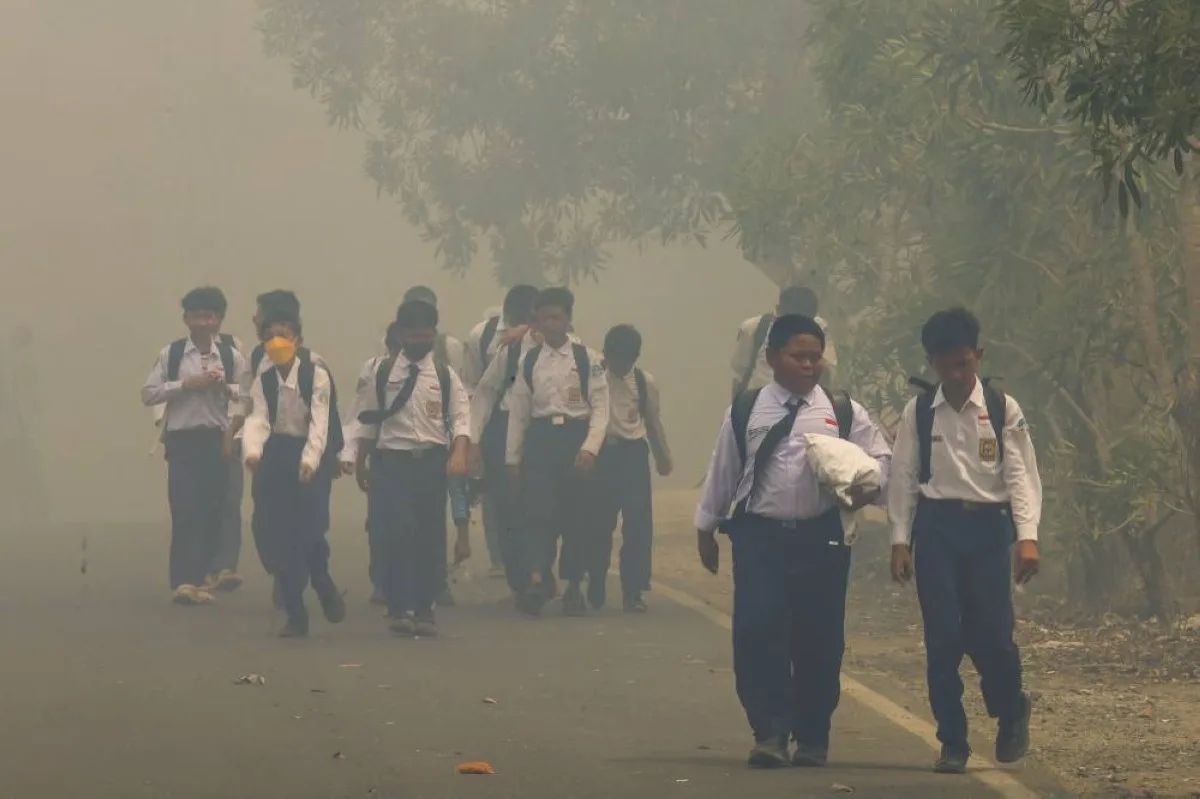
Widespread fires in Indonesia, which have enveloped a large area of the region in smoke in recent months, have drawn attention to the responsibility of companies for these fires and the air pollution they create.
Factors Contributing to the Fires
Indonesia faces fires every year during the dry season, and experts believe that years of deforestation and the draining of peatlands for crop cultivation have made these areas vulnerable to fires. This year, due to a strong El Niño cycle and drought, fires have surged dramatically, burning nearly two million hectares. These fires have affected not only forests and peatlands but also oil palm and timber plantations that supply multinational companies.
Pressure on Companies and Governments
Environmental groups, including WALHI, have identified reliable hot spots across Indonesia using NASA fire data and believe that about half of these hot spots are located within lands managed by companies. In a recently published report, this group listed 40 contracts for timber and palm oil based on the number of identified hot spots. Government pressure on this issue has also increased. Singapore has issued warnings to 10 companies under the Transboundary Haze Pollution Act, asking them to address the fires on their lands and provide action plans.
Meanwhile, some of the named companies have denied responsibility, stating that fires starting outside their borders have spread to their managed lands. However, some legal experts believe that companies may still have legal responsibilities, and the existence of an external source for igniting the fire or severe weather conditions does not absolve companies of their legal obligations.
Indonesia has also imposed administrative penalties against dozens of companies and initiated criminal processes against 125 individuals and companies. However, some companies that have previously faced prosecution have refused to pay fines or rehabilitate forests.