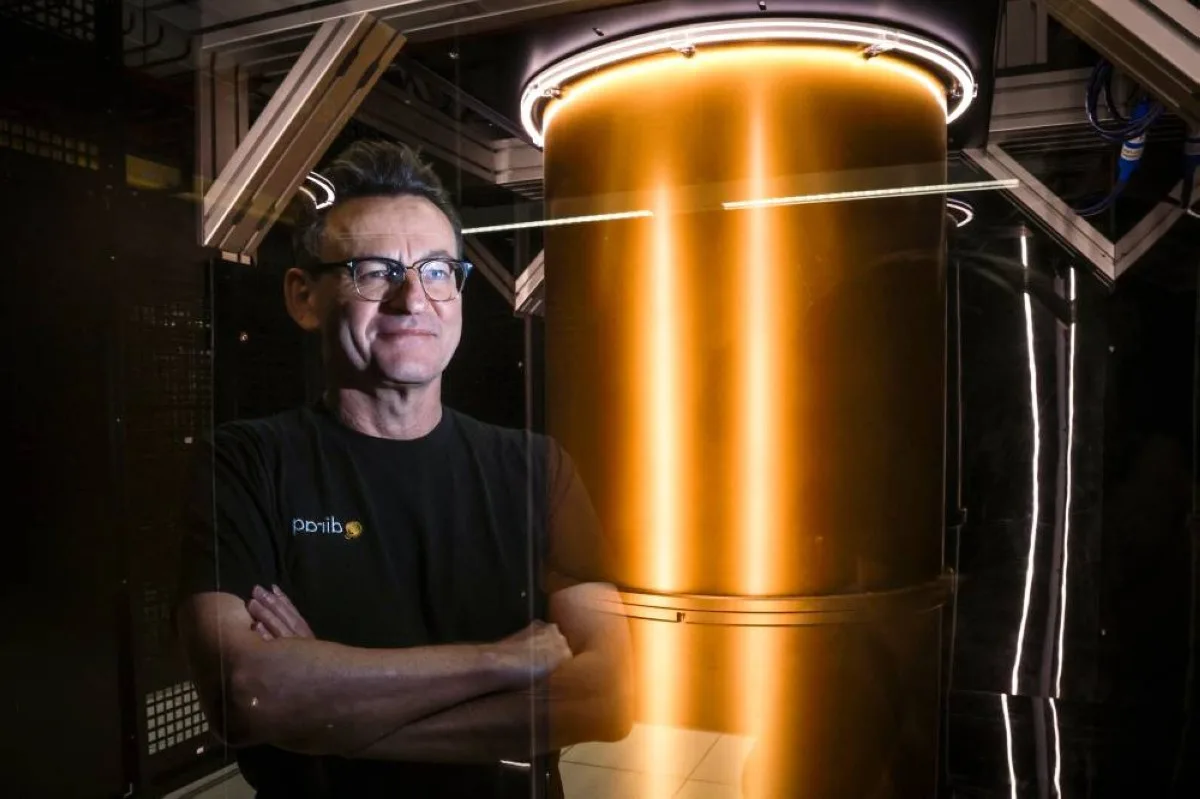
The Australian startup Diraq, as one of the pioneers in quantum computing technology, is conducting field tests on a small quantum computer using a silicon chip in a commercial data center located in Sydney. This computer is designed to reduce the high energy demand of data centers engaged in training and running artificial intelligence (AI) tools.
Positive impacts of quantum computing on energy demand
Andrew Dzurak, founder of Diraq, stated that quantum computing is moving out of academic laboratories and will help reduce the load on data centers within five years. He explained that "one of the reasons next-generation AIs require so much energy is that many of the problems they solve are significantly more suited to quantum computing."
Read more: Google invests $15 billion in Malaysia
Diraq's future plans
This device currently has eight qubits on a silicon chip and is set to be upgraded to 150,000 qubits by 2029. Diraq also plans to develop a two-million-qubit system by 2031. Dzurak pointed to the potential applications of this technology beyond artificial intelligence, stating that energy-efficient computing could lead to significant advancements in the pharmaceutical industry, lighter batteries, and the chemical industry.
The company estimates that using quantum computing in drug trials could increase the success rate by 10 percent and reduce the costs of bringing a new drug to market by one-third. Dzurak emphasized, "This will only be possible if we can build economically viable quantum computers."
Diraq is among six companies in the third phase of the Quantum Evaluation Initiative of the U.S. Defense Advanced Research Projects Agency (DARPA). This program seeks to assess whether any quantum computer can solve real-world problems at a cost that creates value. Another Australian startup called PsiQuantum is also on this list and is supported by a $1 billion investment from the Australian government to build a quantum computer in Queensland.
Kathy Foley, president of the Australian Academy of Science and Engineering, announced that Australia has over 50 companies related to quantum technology. However, she reminded that "commercialization is definitely one of our biggest challenges" and added, "Australia is very successful in scientific discoveries, but turning them into successful businesses requires more than excellent science."
Read more: Severe drop in technology stocks in Hong Kong amid concerns about artificial intelligence · Kuwait's digital transformation is taking shape under the leadership of artificial intelligence