Myanmar, as a country that imports 90% of its fuel, is highly vulnerable to supply disruptions caused by regional wars. In this context, the civil war in the country has led to a struggle for control of oil resources. Small oil tanker workers in Myanmar are under pressure due to these conflicts, and their working conditions have become extremely dangerous.
Conditions of Oil Workers and Energy Crisis
Htun Aung, a 52-year-old worker who works at one of the oil wells in central dry Myanmar, has expressed his concerns, saying: "As long as we work here, misfortune can take our lives." He has pointed out the hardships of life in wartime and the dangers arising from it, adding: "The reality of death is hard, but earning a living is even harder." Currently, oil prices have nearly doubled compared to late February, leading to increased demand for crude oil in the region.
Read more: U.S. Aircraft Exit from British Bases Due to Iran Threat
Control of Oil Fields and Effects of Civil War
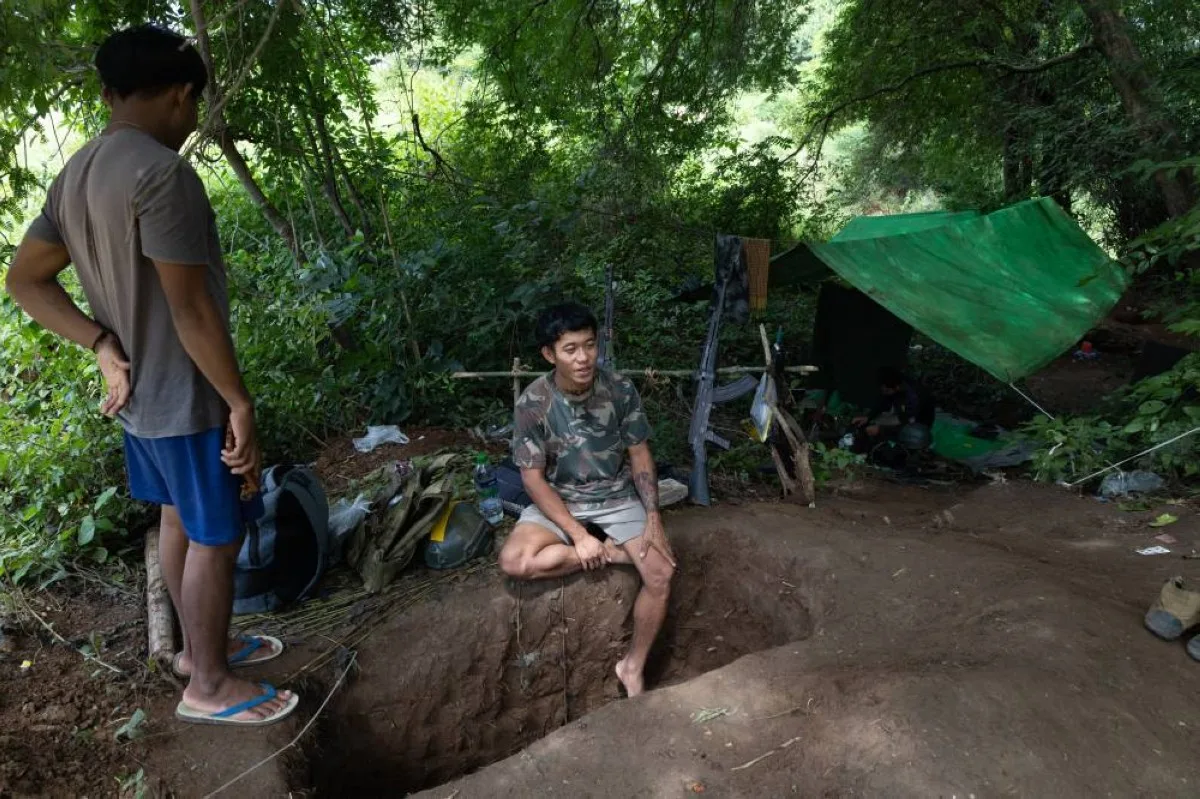
Opposition forces in Myanmar have controlled the oil fields in the Myaying region since 2023. These forces are currently stationed among thousands of illegally drilled oil wells. These wells were traditionally drilled centuries ago, and currently, workers extract crude oil using manual devices. In this process, workers pay landowners up to $3,500 to obtain drilling permits, without any guarantee of finding oil.
This year's conflicts in Myaying have resulted in over 100,000 casualties, and Myanmar's military has announced that in a month-long operation, they have taken control of over 130 oil wells in Myaying and 735 wells in the neighboring Pakokku region. Meanwhile, opposition representatives believe that these military attacks are actually an attempt to destroy a vital source of income for them.
While natural resources such as gemstones and teak wood are used as financial resources for war, small and informal oil fields are attractive for their ability to operate under the radar and finance guerrilla forces for the opposition. According to Thomas Kian, a senior advisor at the International Crisis Group on Myanmar, "We are talking about millions of barrels of oil per year coming from these oil fields. Given global prices, this is a significant amount."
Read more: Zanzibar President Welcomes Oman Foreign Minister Sayyid Badr · Citi's Forecast on India's Nifty Index Growth to 28,000