In light of the ongoing tensions and conflicts in the region, the Gulf States are seriously planning to enhance their defensive and economic capabilities. These countries are attempting to reduce their reliance on the Strait of Hormuz, one of the world's most important maritime routes, by finding alternative paths.
Economic and Security Challenges
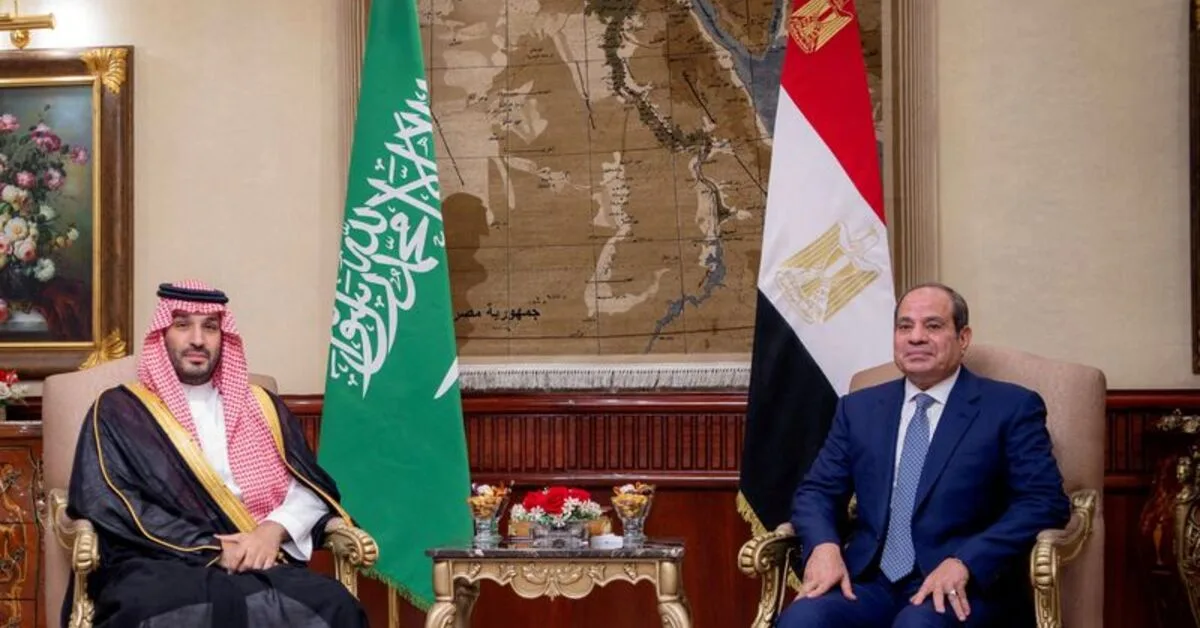
In this context, senior officials from these countries have been discussing and exchanging ideas on new strategies to bolster their security and economy at regional conferences. These conferences clearly reflect the serious challenges the United States faces; applying economic pressure on Iran without causing harm to its neighbors.
Given that the Strait of Hormuz is recognized as one of the most strategic points in the world, the countries bordering this strait are seeking ways to reduce their dependence on this critical passage. For instance, developing transportation infrastructure and creating new maritime routes are among the strategies prioritized by these countries.
Development of Regional Cooperation
The Gulf States are striving to assist each other against potential threats through the development of military and economic cooperation. This collaboration extends not only to security issues but also to areas such as energy and trade. Therefore, careful and intelligent planning for the near future is underway.
The continuation of these concerns and efforts indicates that, under current conditions, security and stability in the Gulf region are more challenged than ever. The countries in this region understand that only through cooperation and unity can they achieve a secure and sustainable future.