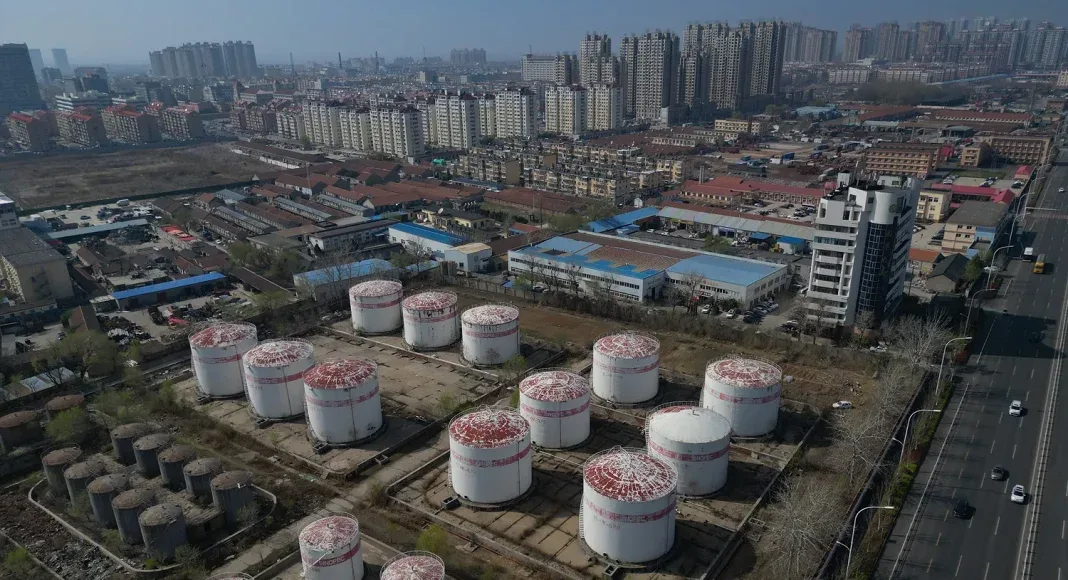
As the largest importer of crude oil in the world, China has adopted a smart and gradual approach to manage the oil crisis resulting from developments in the Gulf.
China's Measures in Facing the Oil Crisis
Since February, when the International Energy Agency announced the largest supply disruption in the history of the global oil market, China, as a country that conducts over 90% of its oil imports via sea, has acted in a way that the pressure of this crisis primarily falls on the refineries, not the general public. In this context, China reports a sharp reduction in its crude oil imports to the lowest level in nearly a decade in June. However, in the following months, the country has gradually and cautiously begun to revive its crude oil imports.
Read more: Oman General Workers Union Announces Maternity Leave Details
China's Macroeconomic Challenges
Chinese leaders view the supply shock caused by events in the Strait of Hormuz not only as a challenge in the energy security domain but also as a serious threat to the macroeconomic stability of the country. Their main priority in this situation is to prevent the spillover of rising oil prices into imported stagflation. Chinese economic officials believe that the country's industrial system, despite its ability to withstand a reduction in crude oil imports, cannot easily cope with a type of imported inflation caused by rising oil costs.
At the same time, the Chinese government is trying to manage this crisis by distributing oil among state-owned and independent refineries. Specifically, alongside the rise in crude oil prices in early March, the Chinese government limited the export of refined products to ensure the fulfillment of its domestic needs. These measures reflect China's efforts to maintain economic and social stability against the fluctuations of the global oil market.
Read more: 5% Increase in Trade Activity in Oman in the First Half of 2026 · Sultan of Oman to Make Official Visit to the Republic of Kazakhstan