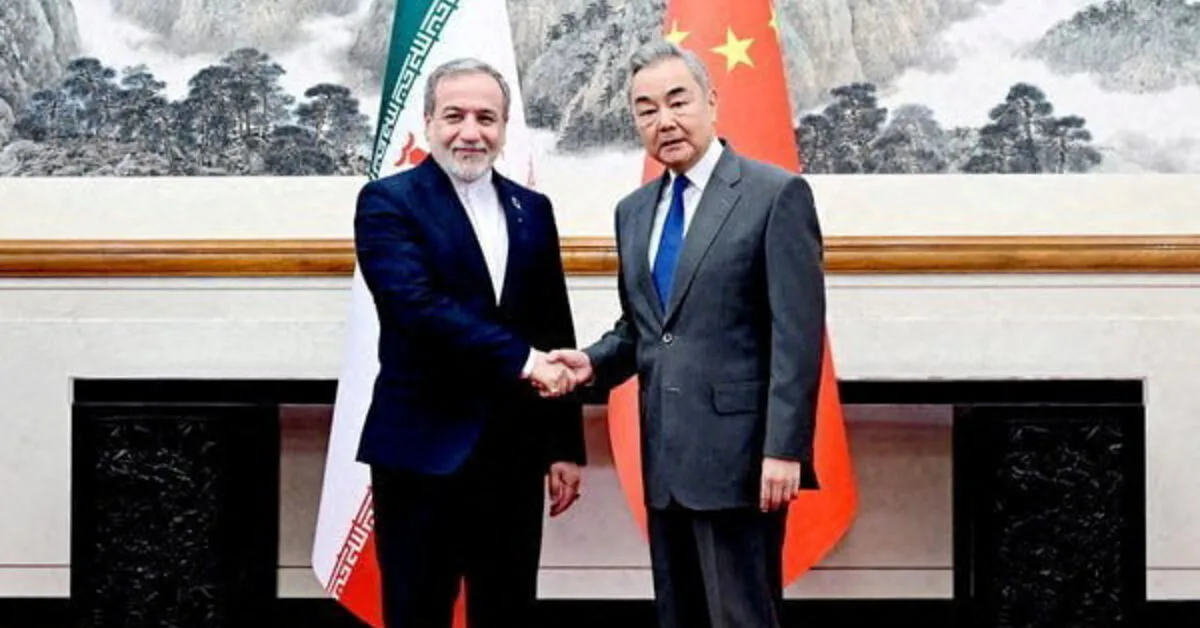
China has quietly asked Tehran to cooperate in controlling the Houthis in Yemen. This request follows the rapid military advancements of this group, which is supported by Iran, and Saudi Arabia's contact with Beijing.
Military advancements of the Houthis and Saudi reaction
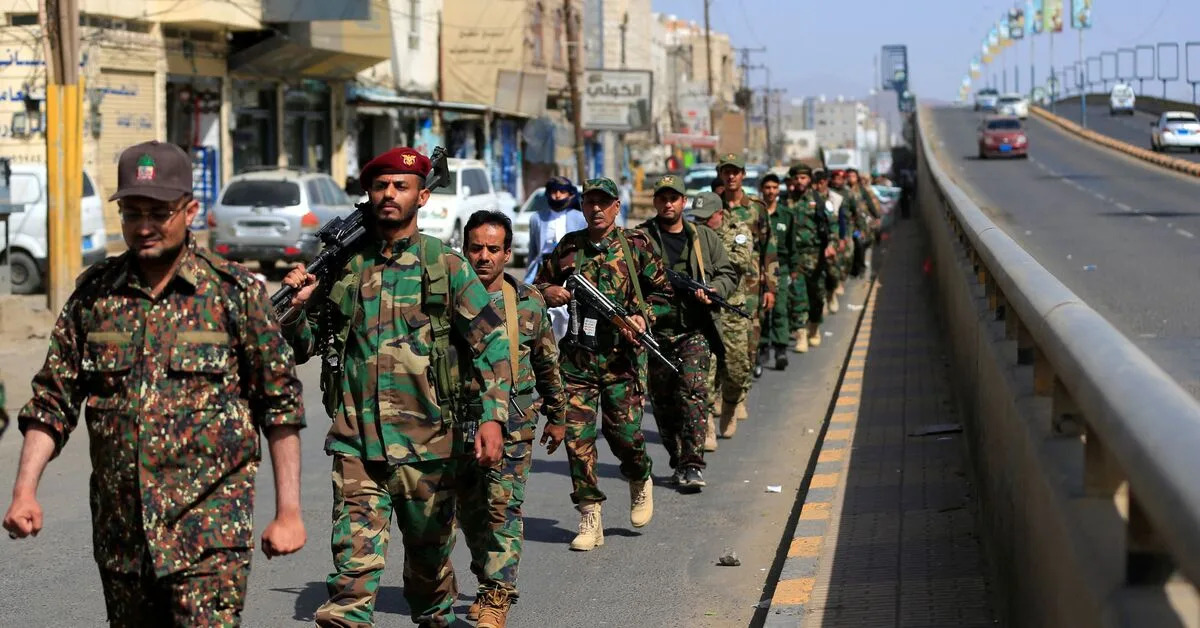
The Houthis have made significant advancements in recent weeks along the Red Sea coast and around the Bab al-Mandab Strait, raising serious concerns about Saudi Arabia's oil exports and transportation. In light of these developments, Riyadh has turned to China for assistance in managing this situation, particularly regarding safe maritime navigation.
Read more: The impact of Houthi movements on Iran-Saudi relations
China's private message to Iran
In its public statements, China has emphasized the need for caution, dialogue, and the restoration of safe navigation, but its private messages have gone beyond these statements. Beijing has asked Iran to use its influence over the Houthis to prevent the escalation of these conflicts in energy routes that China, as the world's second-largest economy, relies on.
According to Iranian sources involved in these discussions, Tehran's response has been that stability and peace in the region depend on ending the U.S. and Israeli war with Iran. Additionally, no threats or pressures have been mentioned by Chinese officials in case of Tehran's non-cooperation with the Houthis.
The importance of Iran-China relations
China has been recognized as Iran's largest trading partner for over a decade and remains the main buyer of its oil. According to data and statistics, Chinese purchases will account for more than 80 percent of Iran's maritime oil exports in the coming years.
Analysts say that China is one of the few countries that can pressure Iran to control the Houthis. The Houthis, who emerged in the 1990s as a counter to Saudi Arabia's Sunni religious influence in Yemen, are well-armed and financially and militarily supported by Iran, forming part of Tehran's anti-Western and anti-Israeli resistance axis.
The implications of Houthi threats on maritime navigation
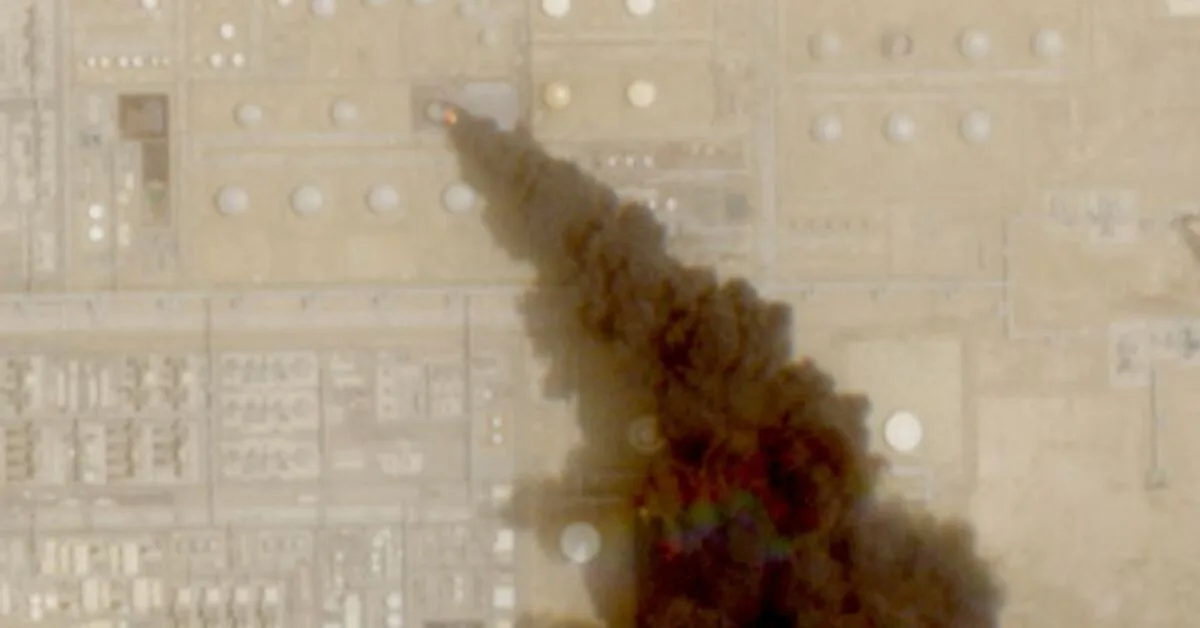
Any threats from the Houthis against maritime transport in the Red Sea and through the Bab al-Mandab Strait could severely escalate the global energy crisis. With the Strait of Hormuz currently effectively closed, ongoing Houthi attacks on ships or ports in the Red Sea could simultaneously disrupt major oil export routes from the Middle East.
Given that Iran and its allies are now exerting pressure on both ends of the region's vital maritime network, this situation has become a serious challenge for China, which is dependent on both routes. On the other hand, China is also seeking to maintain its interests in the region, which is particularly important in terms of trade and energy supply.
Prospects for Iran-China cooperation
The economic and strategic importance of Iran-China relations is high, especially as Iran faces serious hostilities from the United States. China plays a vital role as one of the few countries with the financial capacity to provide the necessary investments for Iran's oil industry.
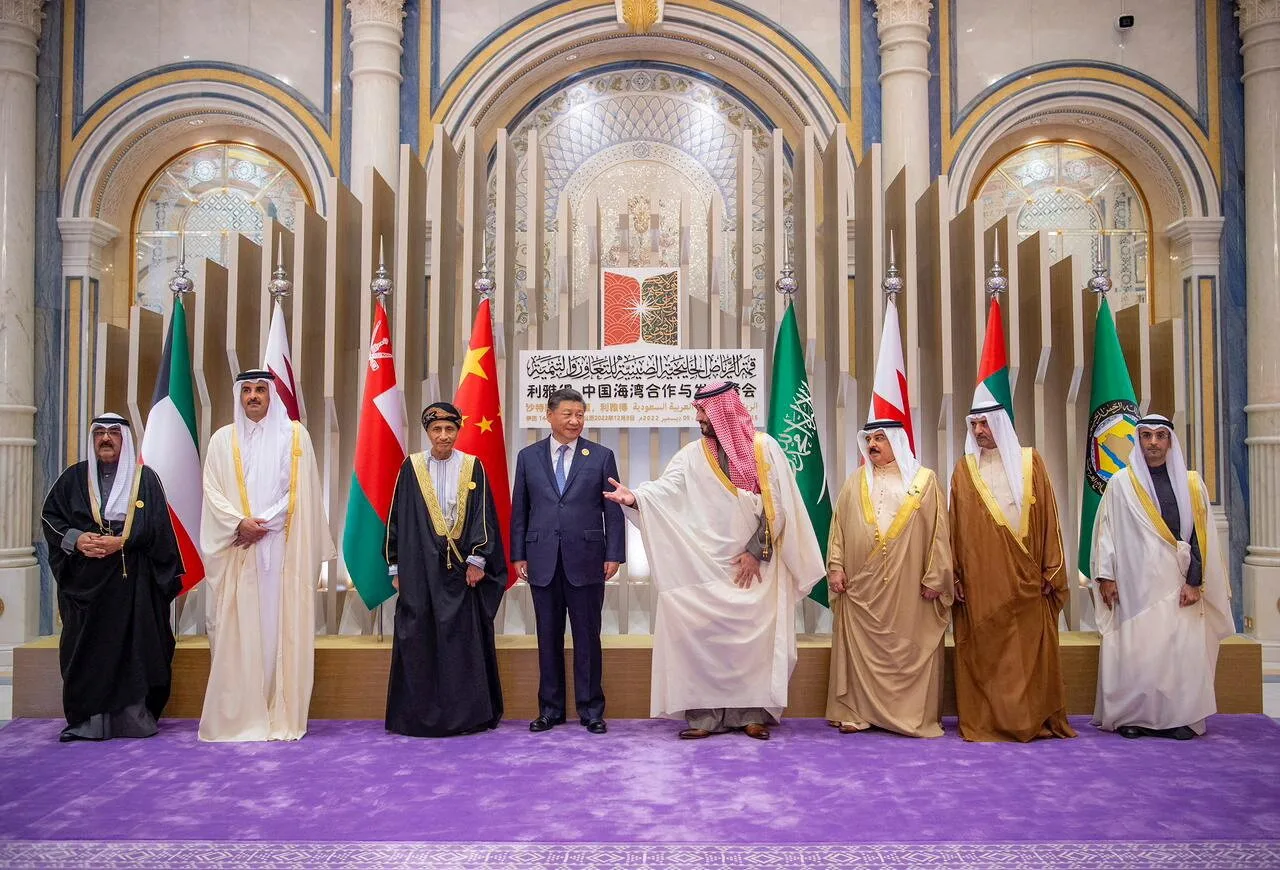
In 2023, China brokered an agreement between Iran and Saudi Arabia that restored relations between the two countries after years of hostility. However, criticisms within Iran regarding the relatively low level of Chinese non-oil trade and investment compared to China's growing commitments in Gulf Arab countries continue.
China, as a key player in Iran's policies, cannot be overlooked, but Iran's decisions are influenced by multiple strategic, economic, and political priorities. Ultimately, the real test will be whether China is willing to attach consequences to its requests.
Read more: The Salalah meeting; a start to new diplomacy in the Persian Gulf · Oman emphasizes the importance of ensuring maritime security in the Strait of Hormuz