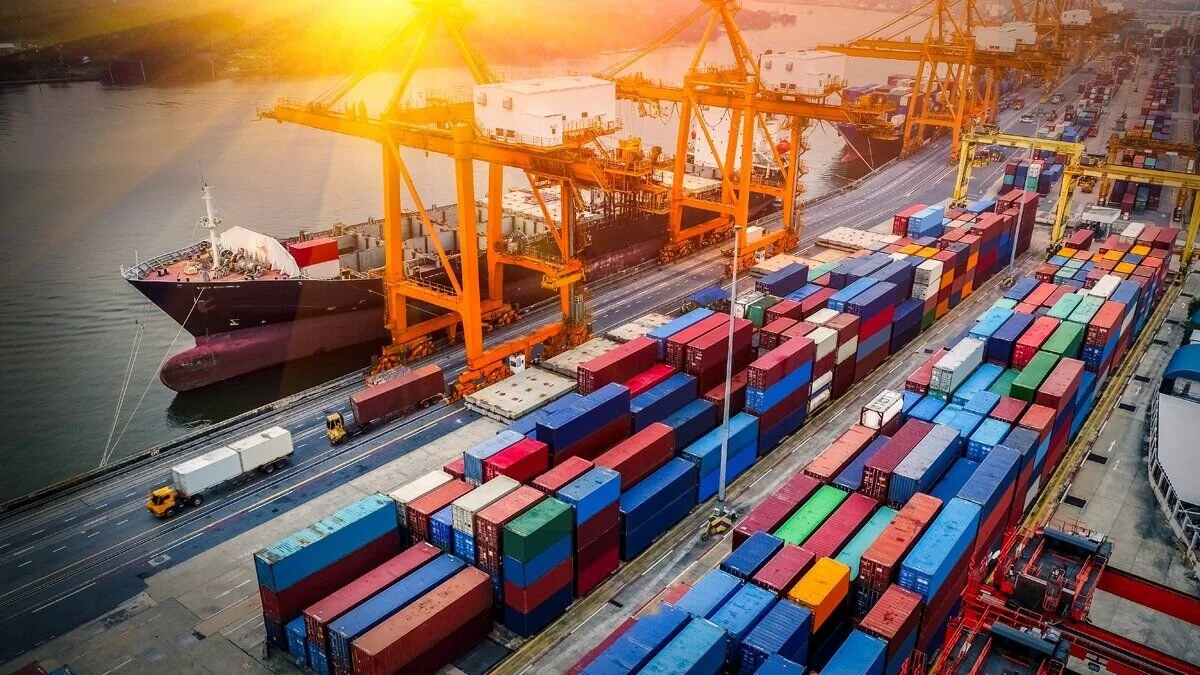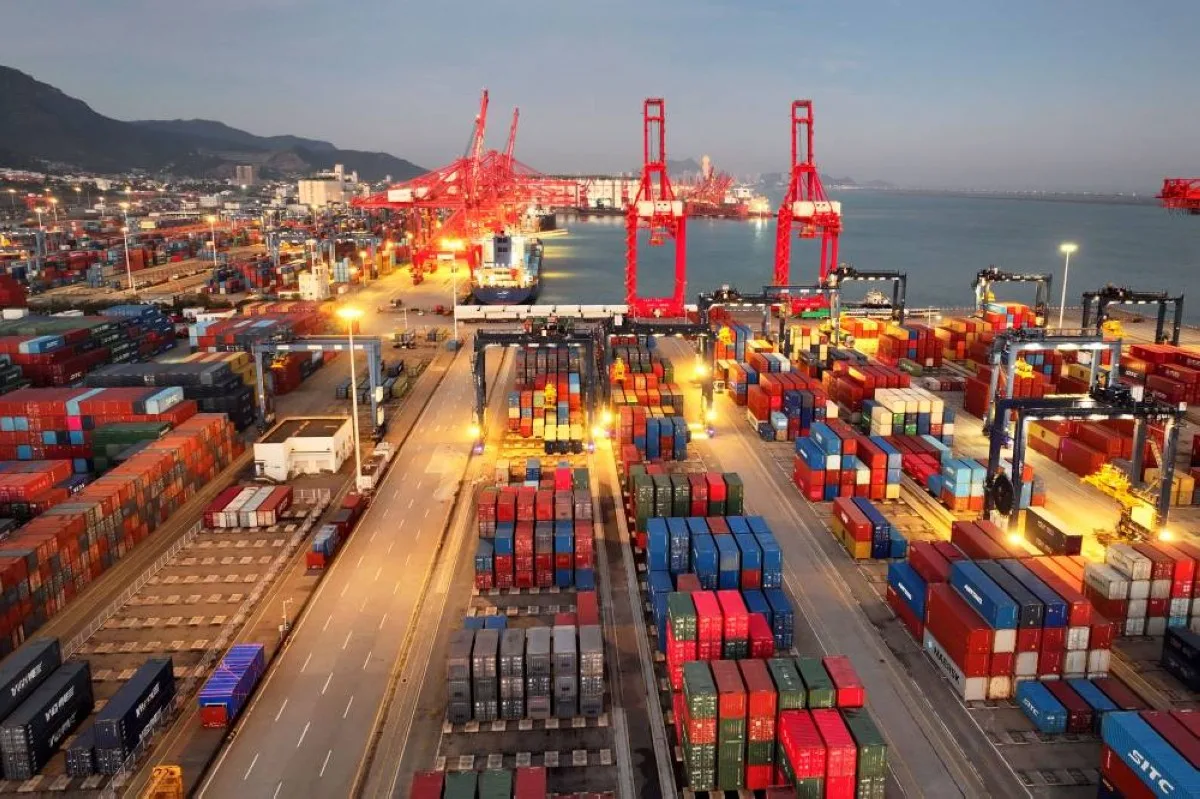
China increased its trade surplus to over one trillion dollars in the first 10 months of 2026, reaching this figure a month earlier than last year. According to official data, China's exports in October rose by 35.2 percent compared to last year, reaching 412.3 billion dollars, while imports also grew by 41.6 percent to 307.1 billion dollars.
Export Growth and Driving Factors
China's trade surplus from January to October reached 1.04 trillion dollars, and it seems the country is on track to surpass last year's record of 1.2 trillion dollars. Exports of information technology-related products, including computer chips and server equipment, are among the main drivers of this growth. This trade boom helps Beijing strengthen its economy amid the challenging conditions caused by issues in the housing sector.
Read more: Dakhiliyah Governorate of Oman Implements Infrastructure Projects Worth Over 103 Million Omani Rials
Impact on Trade Relations
Zhouhe Zhang, President and Chief Economist of Pinpoint Asset Management, stated that "exporters have been the main driving force of China's economy this year" and predicts they will continue their strong performance in the future. These statistics come ahead of an important meeting between Xi Jinping, President of China, and Donald Trump, President of the United States, at the Asia-Pacific Economic Cooperation (APEC) summit in Shenzhen. Exports to the United States increased by 32.9 percent last month.
However, the increase in China's exports has raised concerns among other trading partners. China's trade surplus with the European Union reached 310.7 billion dollars in the first 10 months of this year, up from 241.6 billion dollars last year. Recent talks in Beijing between Maroš Šefčovič, the EU's trade chief, and his Chinese counterpart Wang Wentao ended with an agreement to limit hybrid vehicle exports to Europe.
Analysts believe that Beijing is heavily reliant on exports to achieve its official growth target for this year, which is 4.5 to 5.0 percent. This target is the lowest in decades, while domestic consumption is progressing slowly and the inflation rate remains significantly below the official target of 2 percent.
Read more: Vulnerability of Development Models in Gulf Countries Following War · China's Active Diplomacy to Strengthen Stability in the Middle East