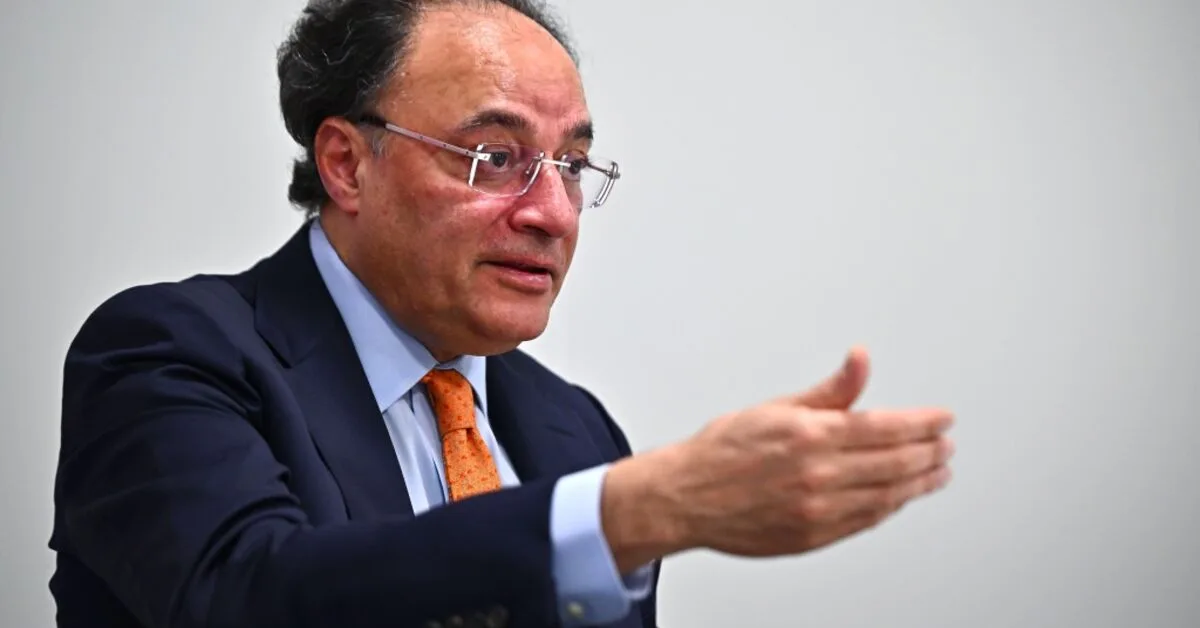
Mohammad Aurangzeb, Pakistan's Finance Minister, speaking to reporters on the sidelines of the annual meetings of the International Monetary Fund and the World Bank in Bangkok, stated that his country has so far resisted the shock from rising energy prices due to the war with Iran. He added that attacks on energy infrastructure in Saudi Arabia and other Gulf countries severely affect Pakistan's economic future.
Energy Supply Situation in Pakistan
Aurangzeb said that Pakistan has managed to secure the necessary energy supply for the coming months and is now planning for the winter season when household needs typically increase. He added: "The immediate impact of this crisis has been well managed, and we have not faced any shortages in energy supply. There have been no queues at fuel stations either. This is while we have witnessed social unrest in some countries."
Read more: IMF's Request to the United States and China for Economic Reforms
He also mentioned that the Pakistani government will refrain from purchasing LNG shipments in the spot markets, which are usually more expensive than previous contracts, unless there is an urgent need.
Impact of the Iran War on Global Energy Prices
Since the beginning of the war between the United States and Israel with Iran in February, global energy prices have surged significantly. Iran's retaliatory actions have harmed the energy infrastructure of Washington's Gulf allies and limited oil and gas supplies. With the resurgence of the civil war in Yemen, the Houthis have also attacked Saudi infrastructure, including energy facilities and airports, in recent days.
Aurangzeb expressed concern about this escalation of tensions, stating that damage to such infrastructure could delay a return to normal economic conditions. He said: "The part that is currently concerning is when energy infrastructure is attacked. If these infrastructures continue to be targeted, returning to normalcy will take time even if the situation calms down."
Pakistan has been a regular client of the International Monetary Fund and is currently in the midst of its 25th program with the institution. This program includes $7 billion over three years, with the Fund recently signing an agreement to release a $1.2 billion tranche this month.
Aurangzeb, emphasizing the need for a review of fiscal policies, expressed hope that his country is on the path to fiscal stabilization. He said: "Fortunately, we have been on this path for a while, and the country's tax revenues have increased significantly."
He also pointed out the tax theft perpetrated by private sector businesses, stating that this theft has cost the government billions of dollars. He emphasized that there is still "room for improvement" in income tax collection.
Aurangzeb also referred to the challenges of economic reforms, which have faced resistance from industry and lobbying groups. One of the main focuses of the IMF program criteria is the privatization of state assets. In response to a question about these companies, he emphasized that these companies do not receive a budget from the government and operate independently.
Read more: The Economy of Southern Gulf Under the Impact of the Closure of the Strait of Hormuz · Qatar's Prime Minister in Beirut to Assist Lebanon