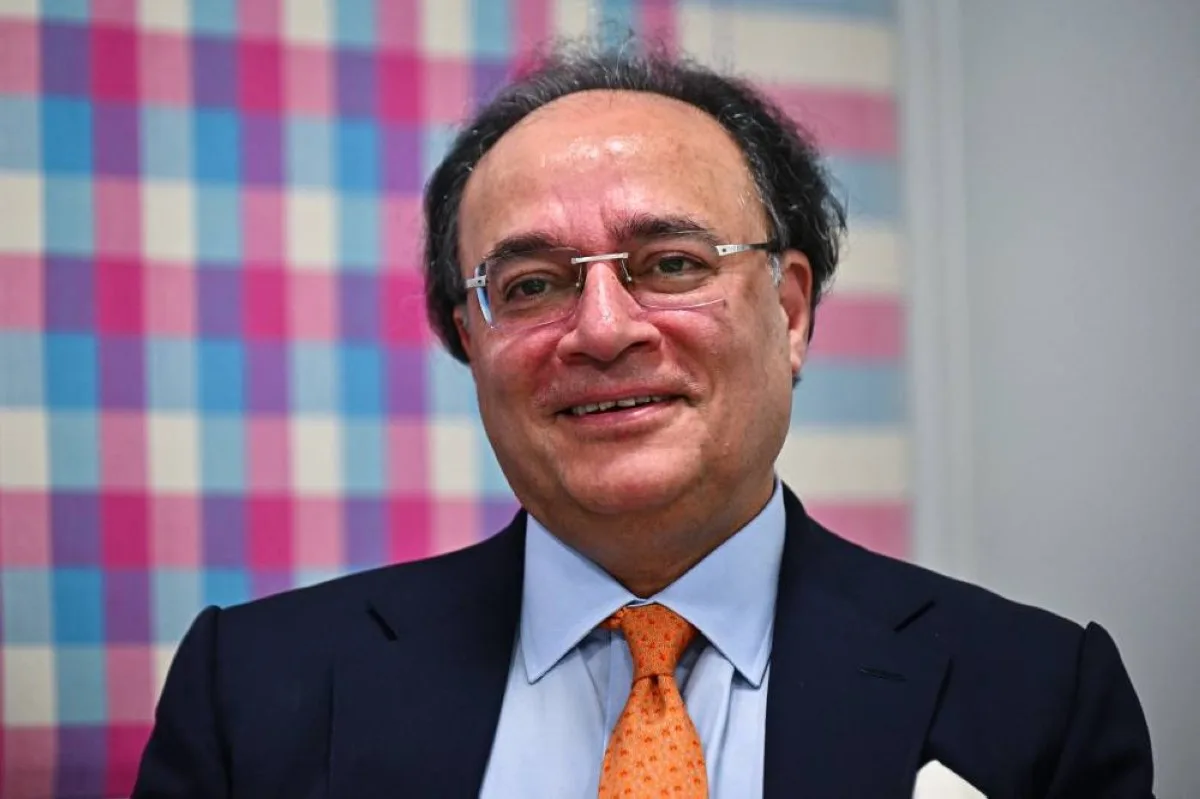
Mohammad Aurangzeb, the Finance Minister of Pakistan, expressed his concerns about the impact of attacks on energy infrastructure in Saudi Arabia and other Gulf countries on Pakistan's economy on the sidelines of the annual meeting of the International Monetary Fund and the World Bank in Bangkok. He stated that Pakistan has so far been resilient to the shock of high energy prices caused by the war with Iran, but these attacks could jeopardize the country's economic outlook.
Pakistan's Economic Resilience Against the Energy Crisis
Aurangzeb said: "We have secured enough energy supply to continue our activities until November, and we are now planning for the winter season when domestic demand typically increases." He also noted that Pakistan has managed to navigate the energy crisis well without shortages and long lines at gas stations. The Finance Minister added: "As long as there is no serious need, our government emphasizes purchasing liquefied natural gas (LNG) from spot markets, as prices in these markets are usually much higher than previous contract prices."
Read more: Kuwait: Finance Minister Participated in Human Capital Conference in Bangkok
Global Impacts and Risks from Attacks on Infrastructure
Global energy prices have been rising since the onset of the war between the United States and Israel against Iran in February, and this war has had widespread effects on the fuel and gas supply of Gulf countries. Recently, repeated attacks by the Houthis of Yemen on Saudi infrastructure, including energy facilities and airports, have heightened concerns in this regard. Aurangzeb emphasized: "Part of our concern is that when energy infrastructure is targeted, returning to normalcy, even if tensions decrease, will take time."
Pakistan, as a continuously borrowing country from the International Monetary Fund, is currently in its 25th program with this institution, of which at least 11 have been considered lifelines. The current program includes about $7 billion over three years, and the Fund agreed this month to release a $1.2 billion installment. In this context, Aurangzeb referred to the country's financial trends and said: "Fortunately, we have been on a path of fiscal contraction for some time."
The Finance Minister also pointed to the government's targeting of businesses that collect sales tax from consumers but do not pay it to the government, stating that this practice has cost the country billions of dollars. He also added that there is room for improvement in income tax collection, and reforms have faced resistance from industry, lobby groups, and special interests.
Privatization of state assets is one of the pillars of the International Monetary Fund's program. In response to a question about the extensive business interests of the Pakistan Army, which include real estate and fertilizers, Aurangzeb emphasized that this entity does not receive any budget from the government and conducts all its business activities independently and profitably.
Read more: Concern of the Finance Minister of Pakistan About Attacks on Energy Infrastructure in the Persian Gulf · Pakistan and Oman Emphasized the Need for Diplomacy and Freedom of Navigation