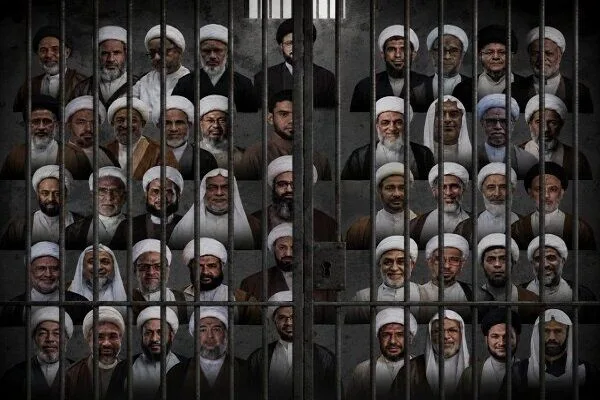
In Bahrain, protests were held in several areas including Duraz, Karbabad, Al-Muharraq, Abu Saibah, Samahij, Karana, Al-Hajar, Shakhoura, and Sitra Island. Participants in these protests expressed support for the detained scholars, condemned their trial process, and called for an end to the pressures and religious restrictions.
Increased Pressures on the Shia Community
Alongside these protests, reports indicate that the Al Khalifa government has increased pressures on the Shia community in Bahrain in recent months, resorting to widespread security arrests and restricting religious freedoms. These actions include the detention of clerics and religious activists without judicial warrants, limitations on holding religious ceremonies, and preventing travel to Iran and Iraq. These pressures have been severely criticized, especially given that the Shia community in Bahrain is deprived of its basic rights.
Read more: Bahrain's Agreement to Develop the Gulf Railway Network
International and Human Rights Condemnations
Previously, the World Assembly of Ahlulbayt (AS) condemned actions such as the widespread revocation of citizenship and the detention of prominent scholars in Bahrain, deeming them a clear violation of human rights. This international body emphasized that such actions not only affect the individual rights of people but also undermine social and cultural cohesion in Bahrain.
The recent protests reflect public dissatisfaction with the current conditions and also protest against human rights violations in the country. While the Al Khalifa government continues to suppress protesters, these gatherings and expressions of support for imprisoned scholars are seen as a social response to the pressures faced by the Shia community in Bahrain. It seems that this situation could lead to heightened tensions and increased discontent.
Read more: Ayatollah Sheikh Isa Qassim's Warning to the Bahraini Regime Regarding Religious Scholars · Ban on Book Fair in Bahrain and Its Cultural Challenges