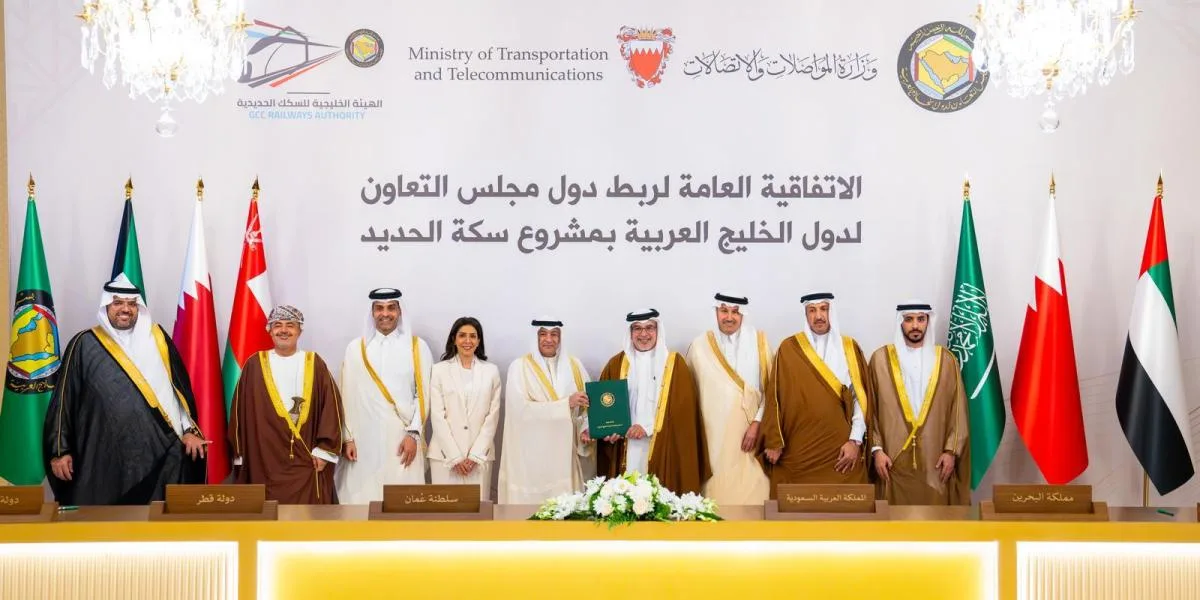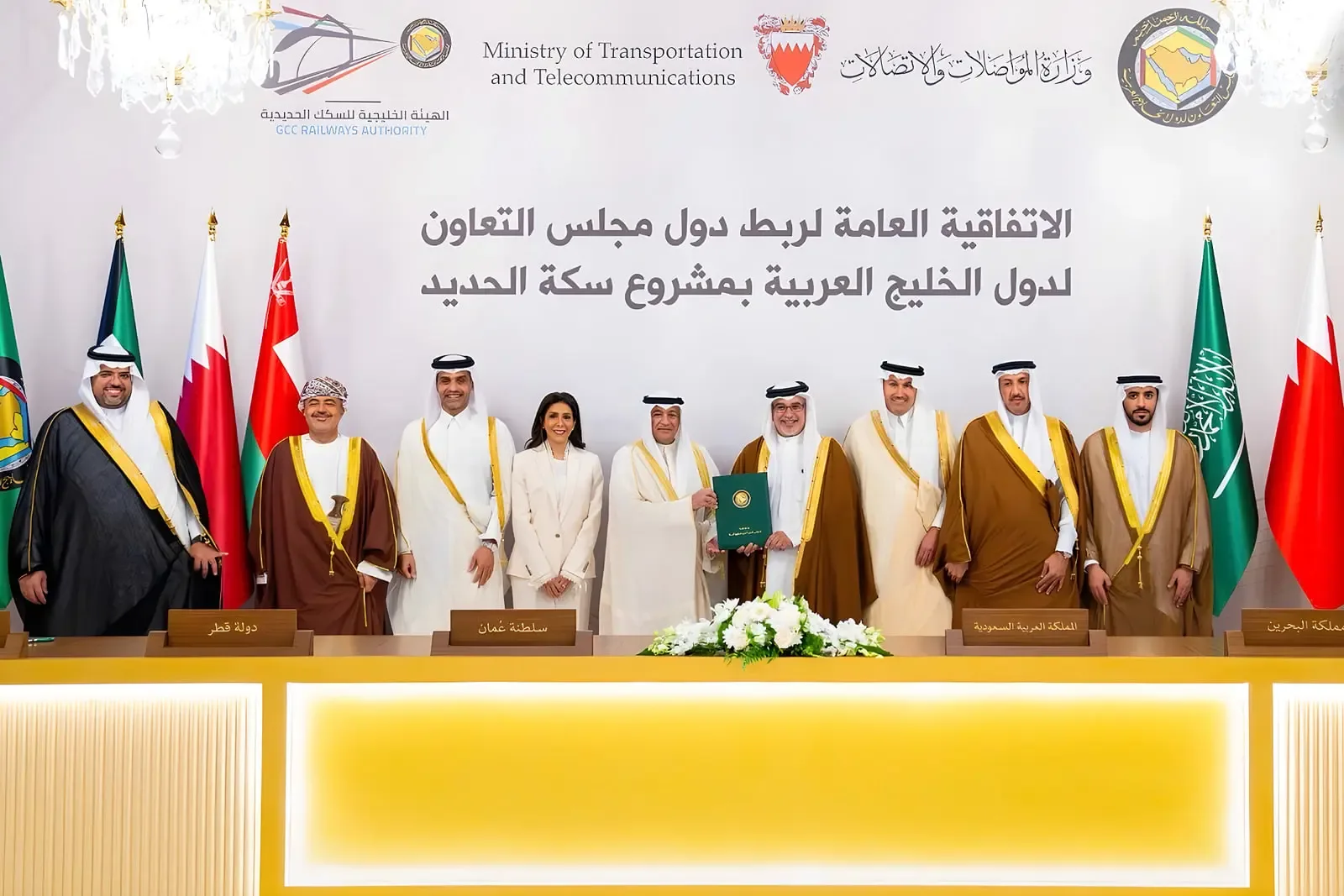
The new agreement among Gulf countries was signed to complete the 2,100-kilometer railway network that connects the six countries of this region. The Gulf Railway project, which was first proposed over a decade ago, is currently recognized as a key plan for communication among the member countries of the Gulf Cooperation Council.
Project Route and Objectives
This railway network is set to extend from Kuwait in the north to Oman in the south, reaching an approximate length of 2,100 kilometers. The new agreement is considered an important part of the process of creating a unified network to connect all member countries. Sheikh Abdullah bin Ahmed Al Khalifa, Bahrain's Minister of Transportation and Communications, described this project as an investment for the future of the Gulf and future generations.
Read more: Copyright Law in Oman: Explanations by Dr. Mohammed Ibrahim Al-Zadjali
Milestones and Benefits of the Agreement
Sheikh Abdullah described this agreement as a milestone that reflects the leaders' aspirations for deeper connections among their countries and will help create a productive developmental partnership for the welfare and growth of the people. He added that this agreement is a fundamental step towards completing the legal and regulatory matters needed to advance the railway project.
Jassem Al-Badawi, Secretary-General of the Gulf Cooperation Council, also described this agreement as an important step towards strengthening the integration of Gulf countries in the transportation sector. This agreement envisions the establishment of a railway that will connect all member countries in a unified network.
Bahrain's integration into this regional network will depend on connecting the Kingdom of Bahrain to Saudi Arabia through the proposed King Hamad passage. This passage is designed as a communication route between the two countries and will have road and rail transit capacity. The rail connection will facilitate Bahrain's access to the broader Gulf network and strengthen the country's links with regional freight and passenger corridors.
The experience of disruption in maritime routes due to regional tensions has increased the importance of alternative land and rail networks for the logistical connection of Gulf countries. The joint railway project could provide new infrastructure for the movement of freight and passengers among member countries alongside maritime and air routes.
Read more: Oman; Announcement of Preliminary Voter Lists for the 2026 Municipal Council Elections · Turki Al-Faisal's Warning to Gulf Countries About Regional Challenges