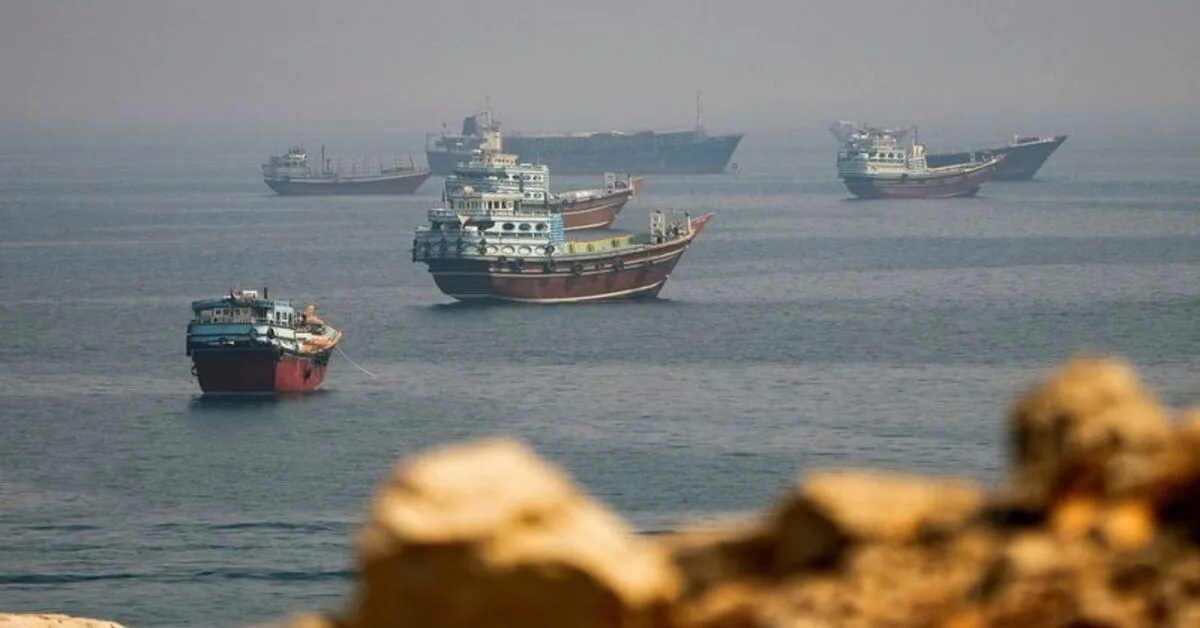
The number of ships passing through the Strait of Hormuz has decreased to twelve over the past weekend, a significant drop compared to 35 vessels the week before, indicating a notable reduction in traffic in this strategic route. This decrease in traffic occurs as tensions in the Persian Gulf between the United States and Iran persist.
Impact of Tensions on Oil Exports
Ship traffic in the Strait of Hormuz, through which about one-fifth of the world's oil and liquefied natural gas passes, has drastically decreased. However, Middle Eastern producers continue to export oil, albeit by turning off the transponders of their ships.
Read more: Security developments in the Persian Gulf and Iran's role in them
According to preliminary data, on Sunday, four ships, including two tankers carrying petroleum products and two empty vessels for bulk and gas, exited the Strait of Hormuz. Additionally, two small oil tankers entered the Persian Gulf. On Saturday, five ships carrying agricultural products, liquefied gas, and fertilizers left the Persian Gulf.
Return of Saudi Oil Exports
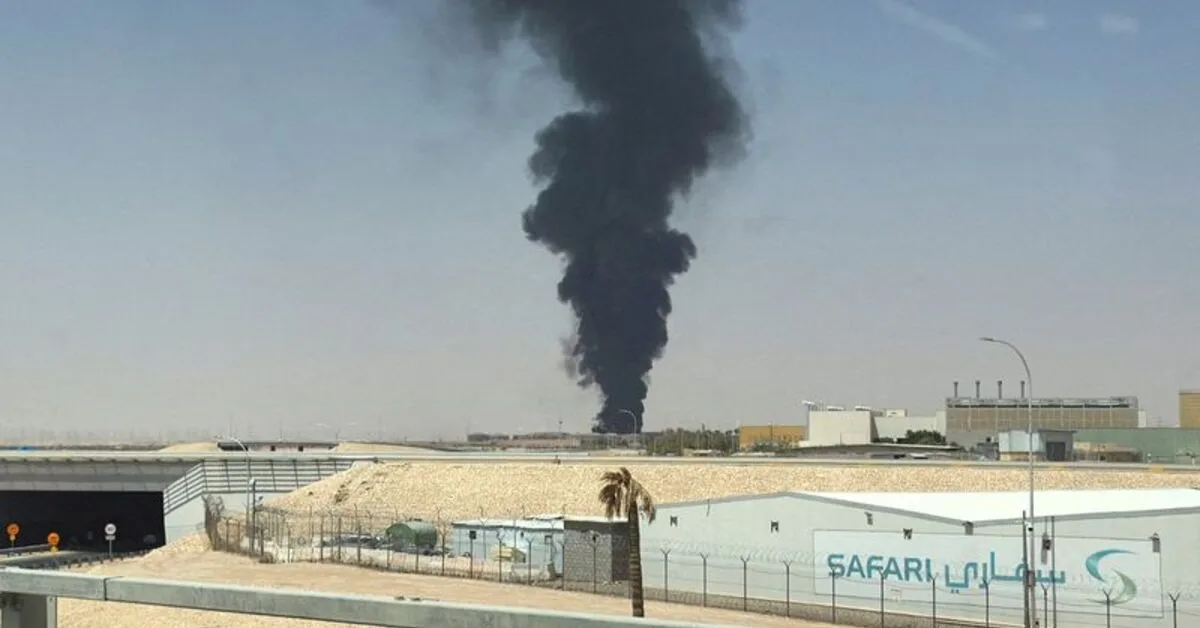
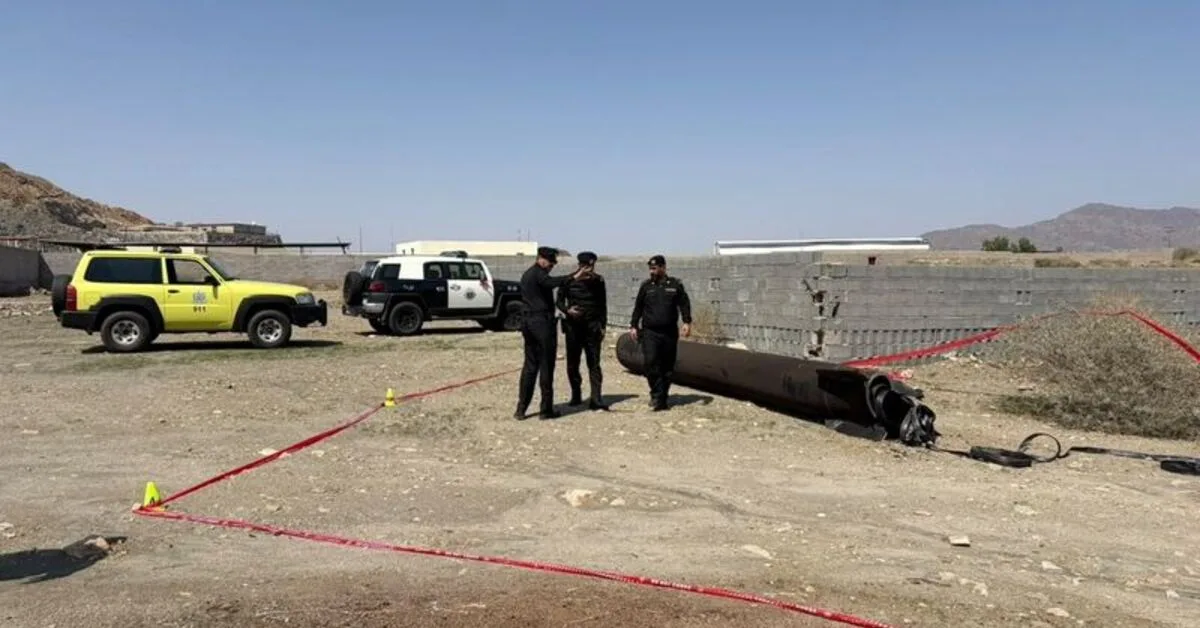
Attacks by Yemen's Ansar Allah on Saudi Aramco's East-West pipeline have led the company to increase its exports through the Strait of Hormuz this month and next. Saudi exports have returned to over 4 million barrels per day in September, after dropping to 2.4 million barrels per day in August, the lowest level since 2013.
In the week ending September 13, a total of 13 tankers, mostly carrying crude oil, left the Strait of Hormuz. Saudi Arabia accounted for half of these exports, while 35 percent of the export volume was related to Iraq.
Analysts at JPMorgan noted in a report that Middle Eastern oil flows have surprisingly remained strong despite disruptions in Saudi Arabia's East-West pipeline. They added that oil flows averaged 17.1 million barrels per day over the past 10 days, which is only 6.1 million barrels per day less than the projected average for 2025.
Read more: Jasim Mohammed Al-Badawi commented on the Strait of Hormuz · Houthi attacks on Riyadh and their impact on Saudi security