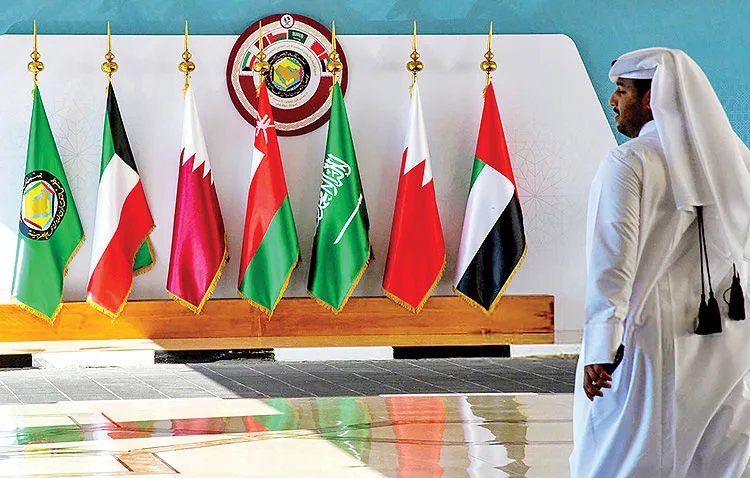
Recent developments in the Persian Gulf indicate fundamental changes in the security order of this region and the strategic role of Iran in it. Three important reports from reputable institutions show that the war in this region has rapidly accelerated three key trends: the reduction of American security monopoly, the increasing strategic importance of Iran, and the movement of Gulf Arab countries towards a form of multilateralism and security diversification.
The Role of the Strait of Hormuz in Security Developments
The Strait of Hormuz, as the main symbol of war in this region, represents Iran's capabilities in controlling geography and security. Despite the military superiority of the United States and Israel, Iran has managed to shift the battlefield to one of the world's most important energy chokepoints by using missiles, drones, and other military tools. These reports clearly state that Hormuz is not just a shipping route for Tehran, but a tool that can compensate for military weaknesses with geographical advantages.
Read more: Jahanbakhsh Izadi: A meeting without the consent of the United States is not possible
Change in the Approach of Arab Countries
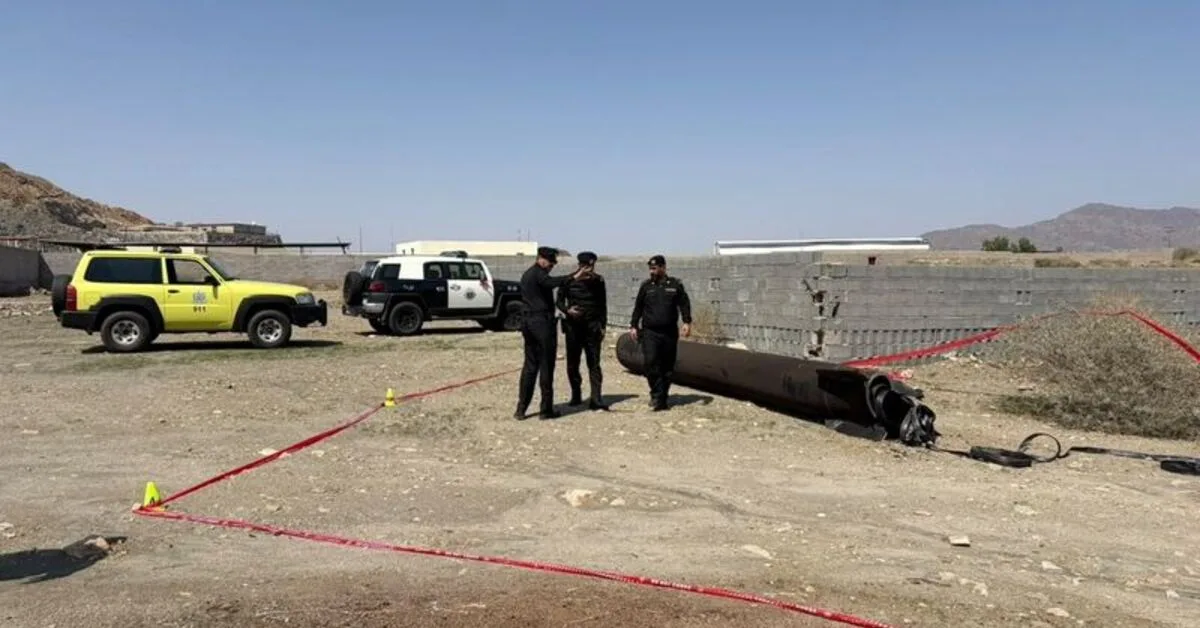
In this context, Gulf Arab countries have come to the conclusion that they cannot entrust all their security to a foreign power. For this reason, an unexpected security convergence has formed among the members of the Gulf Cooperation Council. Attacks on the infrastructure of Saudi Arabia and Qatar and other threats remind Arab governments that even with advanced defense systems, they are not immune to regional wars.
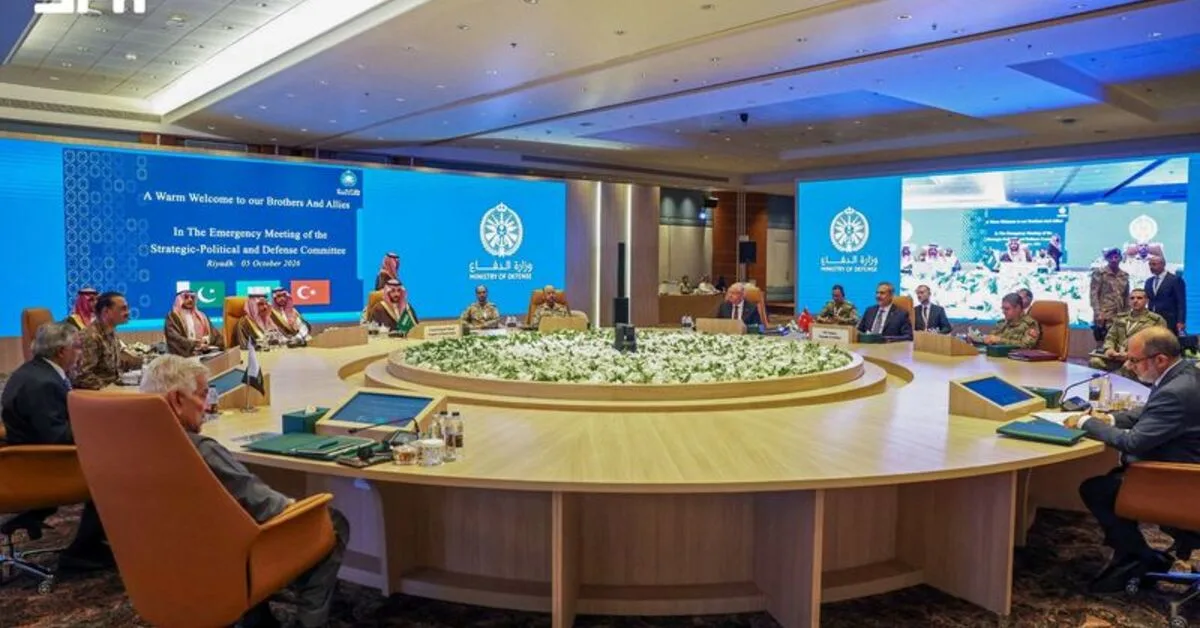
This convergence does not mean the creation of a united front, as competition between Saudi Arabia and the UAE and the differing positions of Qatar and Oman still persist. Instead, what is taking shape is a network of overlapping relationships that includes security cooperation with the United States, economic interaction with China, and connections with Iran.
Ultimately, perhaps the most significant change in the mental calculations of Gulf governments regarding security is that these countries are no longer merely seeking a replacement for the United States, but are creating various layers of relationships to avoid dependence on a single power. Whether this set of relations can transform into a real security architecture remains a key question.
Read more: China has asked Iran to rein in the Houthis · Iran showcased military power and readiness for defense in 200 days of war