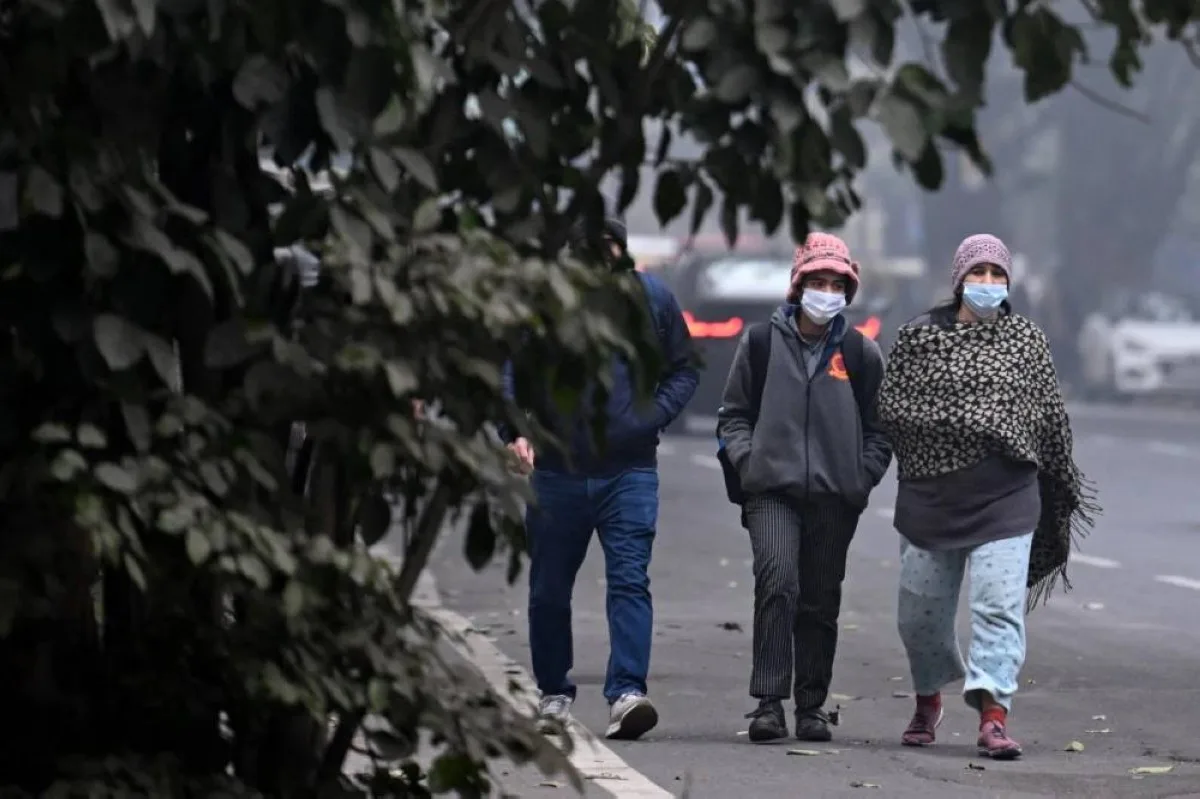
On November 1, 2023, the Delhi government implemented a series of new anti-pollution measures aimed at reducing the concentration of toxic smoke in the city, one of the most polluted capitals in the world. These measures include doubling parking fees and introducing a work-from-home policy for offices and private companies to reduce greenhouse gas emissions from traffic.
New Restrictions on Vehicles and Construction
According to this decision, vehicles that do not meet the necessary pollution emission standards will be banned from entering the capital. Additionally, an immediate ban on all demolition and construction activities that generate dust has been enforced.
Read more: Antonio Guterres: Global Action on Climate Change is Insufficient
The office of Delhi's Chief Minister, Arvind Kejriwal, stated: "From November 1, Delhi's winter action plan has been implemented with stricter controls, stronger enforcement, and 24-hour monitoring. We urge all residents of Delhi to follow the guidelines and help clean the air in Delhi."
Challenges and Background of Pollution
The Delhi government has implemented several measures in recent months, including a ban on burning waste and restrictions on food stalls that use coal or wood. However, similar efforts in previous years have failed to reduce the persistent pollution that engulfs this metropolis every year from November to January. This phenomenon occurs due to lower temperatures and the consequent trapping of pollutants near the ground.
The main sources of pollution include vehicle emissions, coal-fired power plants, industries, construction dust, and the burning of agricultural residue in neighboring states. According to the Ministry of Environment of India, vehicles account for 23% of Delhi's winter pollution, biomass burning including crop residue fires accounts for 20%, and industries including coal-fired power plants contribute about 9%.
PM2.5 levels, carcinogenic fine particles that can penetrate deep into the lungs and bloodstream, often exceed 300 micrograms per cubic meter during peak winter months, which is nearly 20 times the World Health Organization's daily limit. Last year, pollution reached 846 micrograms per cubic meter, which was 56 times the WHO guideline.
On Sunday, monitoring recorded PM2.5 levels at 201 micrograms per cubic meter, which is over 13 times the safe limit. Recent intermittent rainfall has likely helped reduce this concentration.
A study in 2024 published in the journal "Lancet Planetary Health" estimated that 3.8 million deaths in India between 2009 and 2019 were attributable to air pollution.
Read more: Suspension of IPCC Meeting Without Agreement on Climate Review Timeline · Successful Completion of the 22nd Annual Walk of the Oman Cancer Association