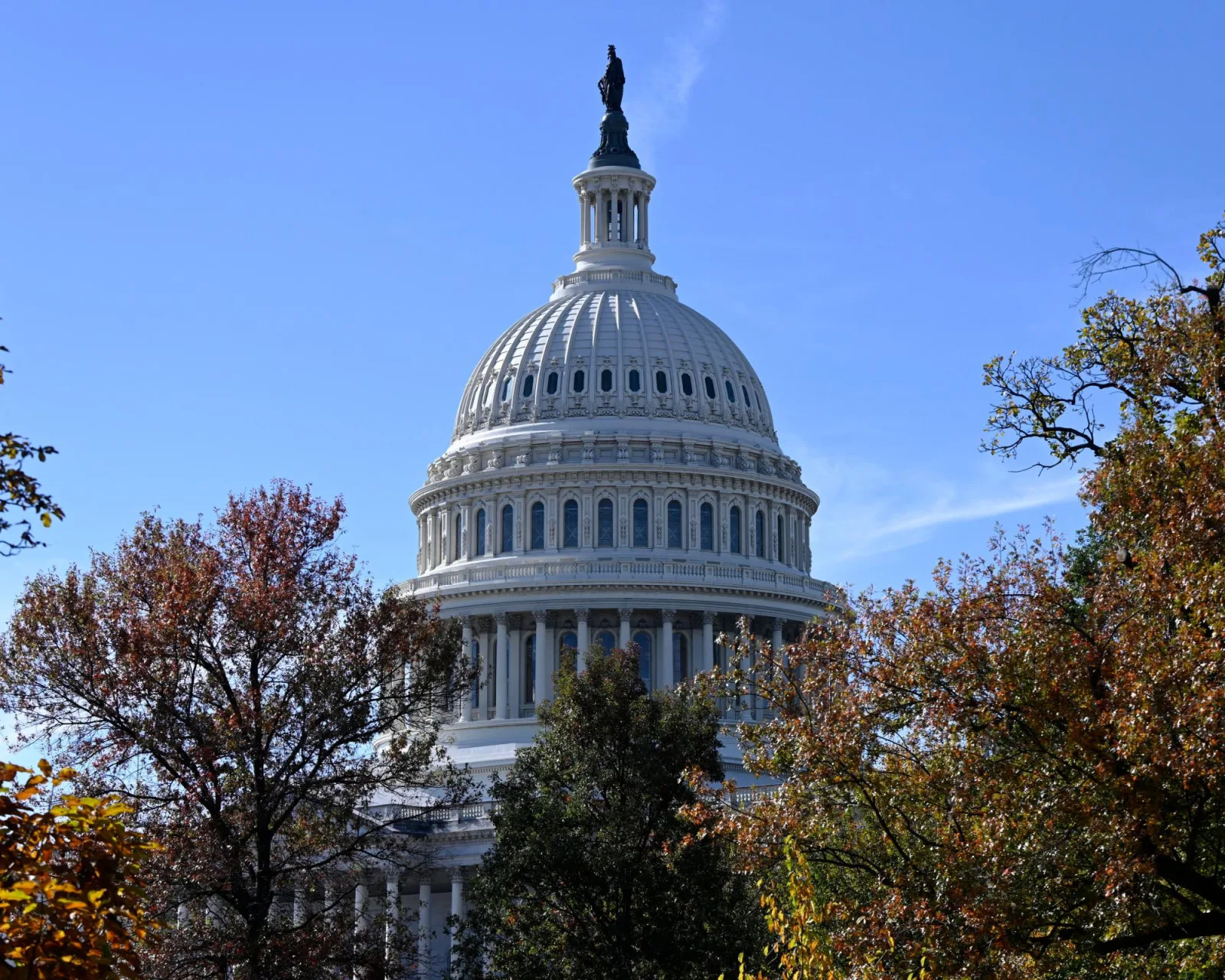
With their victory in the midterm elections, Democrats took control of both houses of the U.S. Congress, thereby delivering a decisive critique of Donald Trump's presidency. This victory includes securing at least 228 seats in the House of Representatives and regaining a majority in the Senate with at least 54 seats, compared to 44 seats held by Republicans.
Significant Results in Traditional Republican States
In this election, Democrats succeeded in capturing key seats in traditional Republican states such as Kansas, Texas, and South Carolina. These changes indicate a fundamental shift in the political structure of the United States and a reevaluation of Republican influence in these states.
Read more: Cooperation between South Korea and Turkey in Nuclear Energy and Defense
Election Analyses and Consequences
Election analysts, including Dave Wasserman, editor of Cook Political Report, have described these results as a "generational wipeout." The outcomes of this election clearly reflect a change in public demands and expectations from the government. The New York Times regarded this result as a "major defeat for Republicans," while the Wall Street Journal labeled it as a "stinging rebuke of Trump."
These changes in the structure of Congress could have profound impacts on U.S. domestic and foreign policies. With control of Congress, Democrats will be able to focus more on key issues such as public health, climate change, and human rights. Meanwhile, Republicans will need to seriously consider how to revive their position in upcoming elections.
Currently, two other Senate races are still undecided, and as a result, Democrats may be able to increase their number of seats. These changes in Congress will not only affect the political future of the United States but could also influence global trends.
Read more: Israeli Election Commission Rejects Netanyahu's Allegations · Netanyahu's Rivals Exploit Democrats' Victory in the U.S. Congress