The Israeli Election Commission on Wednesday rejected the allegations of Benjamin Netanyahu, the Prime Minister of the country, regarding fraud by Arab parties. These parties could hold the key to ousting Netanyahu from power after the controversial elections that were recently held.
Election Results and Commission Statements
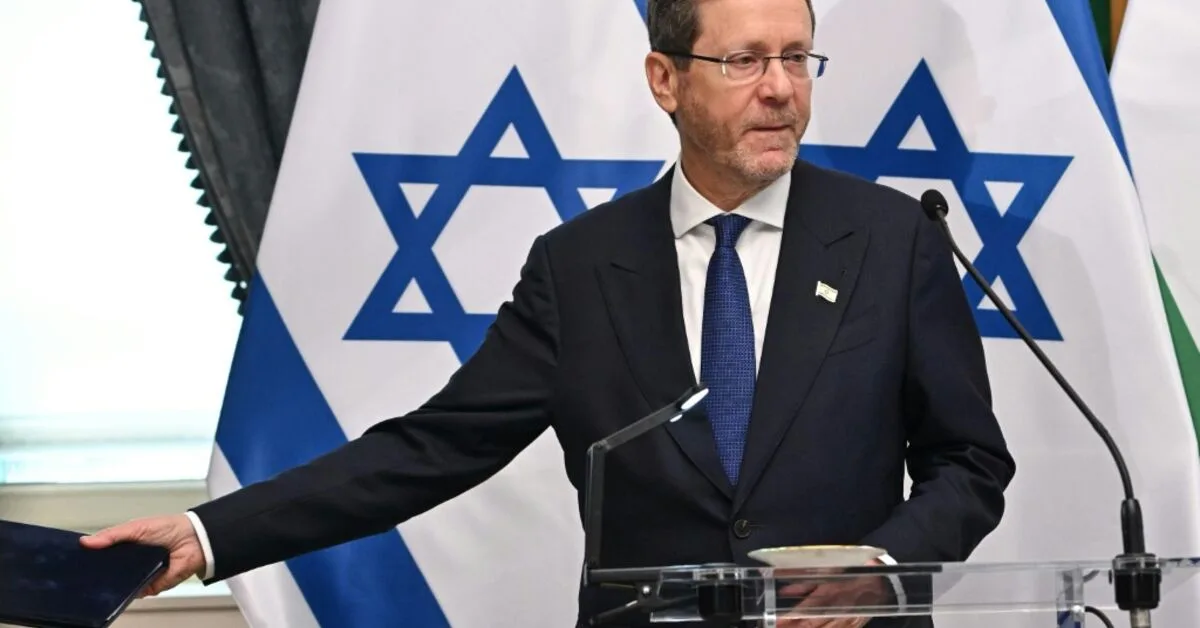
The President of Israel, Isaac Herzog, is set to receive the results of the October 27 elections at 12 PM local time to decide whether to give Netanyahu or his rival, Gadi Eisenkot, the opportunity to form a government. Neither of them has enough votes on their own to form a government.
Read more: Appointment of Former US Army Secretary as National Security Advisor
The Central Election Commission announced that it has monitored 9,069 polling stations and is confident that the announced results "accurately reflect the will of the voters." The statement said: "All complaints submitted by political parties have been reviewed, and there is no case indicating harm to the integrity of the elections."
Political Tensions and Reactions
Netanyahu has repeatedly pointed to fraud by Arab parties and referred to the arrest of several individuals with envelopes of cash on election day. He has also made claims of receiving money from Qatar for representatives, a claim previously attributed to his own officials.
Meanwhile, Gali Baharav-Miara, the Attorney General of Israel, stated that she would not investigate anyone without evidence of wrongdoing, while reports indicate that the head of Israel's internal security service, Shin Bet, who is close to Netanyahu, has called for questioning Arab parties. This request led to criticism of the Attorney General, accusing her of attempting to "obstruct investigations."
Gadi Eisenkot, a former army commander, accused Netanyahu of attempting "genocide against democracy" and also warned him to refrain from starting a new war with Iran. He also criticized Netanyahu for supporting undemocratic options.
Netanyahu, recognized as Israel's longest-serving Prime Minister, has asked the President to form a "broad national government." Meanwhile, Herzog is seeking to create stability in a country that is deeply divided.
If Herzog assigns someone the task of forming a government, they will have 28 days to do so, and if unsuccessful, he may assign it to someone else. If no one succeeds, new elections may be held.
Read more: Israeli President Begins Government Formation Talks