Disruption in U.S. security information sharing, according to published reports, significantly emerged during Donald Trump's second presidential term. According to statements from eight former officials and experts, these disruptions could create an incomplete picture of the country's real threats and remind one of the intelligence disruptions following the September 11, 2001 attacks.
Some Details of the Disruptions
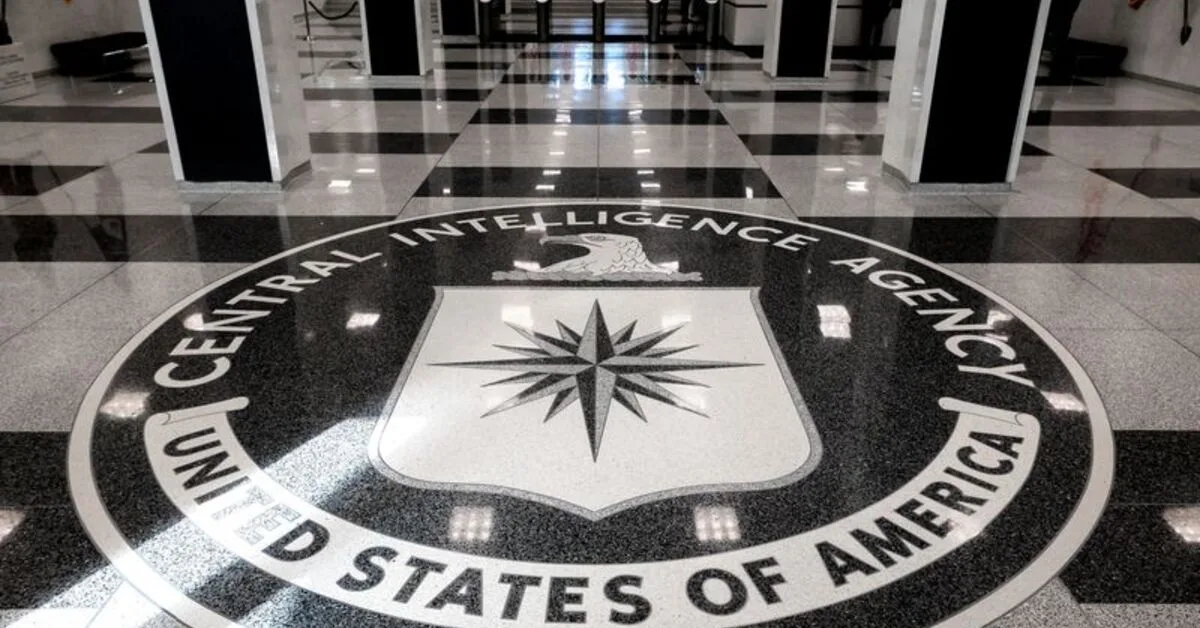
These issues arose during Tulsi Gabbard's management as Director of National Intelligence, with deep tensions existing between her office and the CIA. While these tensions have decreased following Gabbard's resignation in June, the problems stemming from this conflict continue. The CIA has temporarily halted collaboration in preparing assessments with the National Intelligence Council (NIC), which has led to a reduction in the number of reports providing the intelligence community's views on topics such as Iran to decision-makers.
Read more: Mozna Alatrash appointed as new advisor for Syrian peace affairs
Impacts on Policymakers
Lawmakers and their staff have also been temporarily deprived of receiving intelligence reports from Gabbard's office on several occasions following the U.S. military intervention in Iran in June 2025 and after the arrest of Nicolás Maduro, the former president of Venezuela, in January 2026. Gabbard accused her team of leaking information to the media.
The current situation has raised concerns among former officials, some of whom are working on plans to rebuild the intelligence community in the next administration. They emphasize that these disruptions in information sharing could pose serious challenges to policymakers and lead to incomplete decision-making.
Some analysts are currently refraining from writing assessments that contradict White House views to avoid potential political repercussions. This situation has led to the creation of new barriers between agencies and appears to weaken the institutions that enable real coordination within the intelligence community.
In response to this issue, officials from the National Intelligence Office stated that the level of assessments is nearing historical trends. They believe that the new Director of National Intelligence, Jay Clayton, is committed to improving processes and maintaining the necessary resources for the intelligence community.
Read more: Withdrawal of Israeli military forces from an area in Hebron · Start of working-level negotiations between Ukraine and Russia hosted by Abu Dhabi