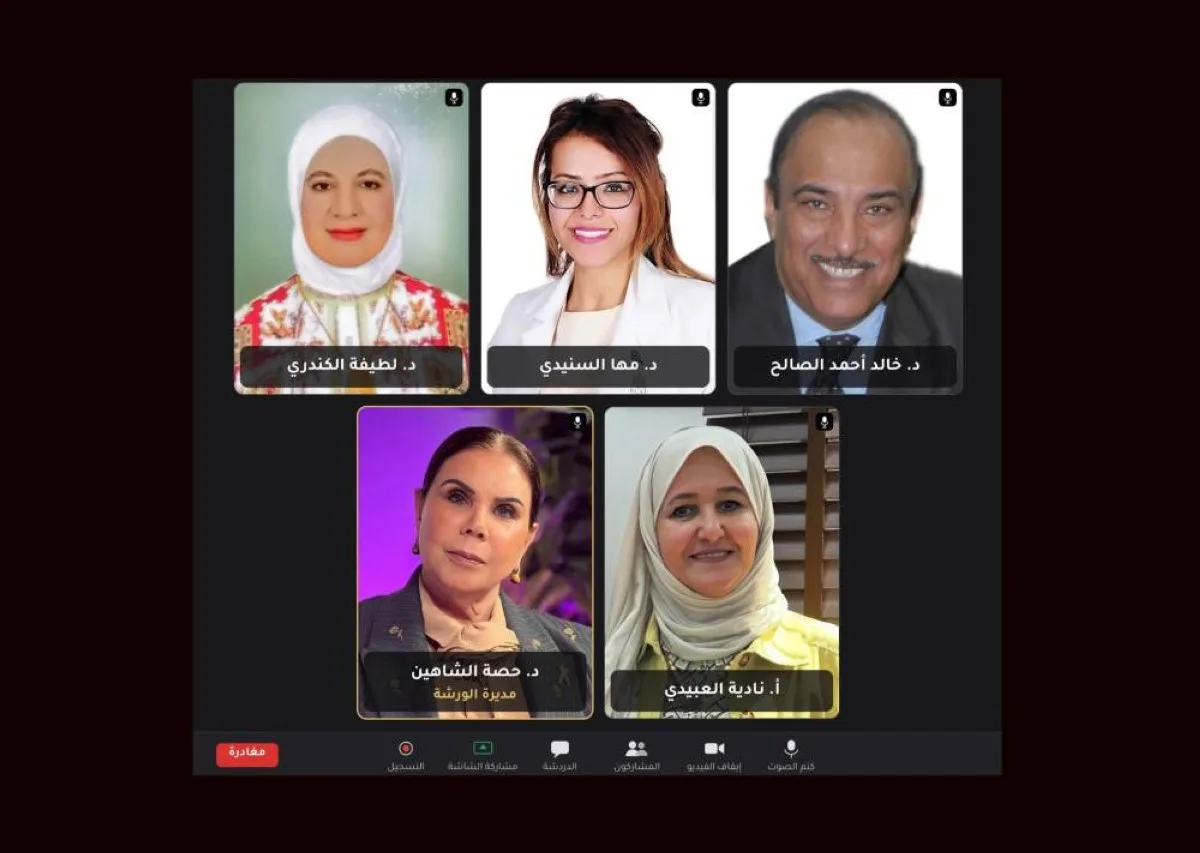
Dr. Khalid Al-Saleh, head of the Cancer Awareness Campaign (CAN), highlighted the importance of public awareness and early detection in improving treatment outcomes and the quality of life for cancer patients during an online workshop. He stated that one third of cancer cases could be prevented by avoiding risk factors. These remarks were made at a workshop titled "The Impact of Awareness on Reducing the Suffering of Breast Cancer Patients and Promoting Early Detection and Quality of Life," which was held as part of the fifteenth annual Breast Cancer Awareness Campaign by CAN.
Cancer Risk Factors and Prevention
Dr. Al-Saleh explained in this workshop, hosted by Dr. Hessa Al-Shahin, a board member of CAN and head of the Breast Cancer Awareness Initiative, that cancer risk factors are divided into two categories: unavoidable factors such as age and genetics, and preventable factors such as lifestyle choices, dietary habits, and certain viruses.
Read more: Yemen: Severe Increase in War Casualties and Pressure on Hospitals
He stated that by avoiding four main risk factors, cancer prevalence could be reduced by up to 37 percent. Additionally, studies by the World Health Organization have identified about 30 preventable causes of cancer. Dr. Al-Saleh noted that smoking alone accounts for about 80 percent of lung cancer cases. He also mentioned the human papillomavirus (HPV) vaccine, stating that studies conducted in Asian countries and Sweden have shown that cervical cancer cases have decreased by up to 90 percent.
Awareness and Early Detection
Dr. Al-Saleh identified three main pillars of cancer awareness: preventing exposure to risk factors, correcting misconceptions, and promoting early detection. He emphasized that years of media coverage have sometimes created unnecessary fear and panic about cancer, discouraging people from seeking medical advice. He urged women to recognize warning signs and promptly seek medical consultation. Dr. Al-Saleh stated that the chance of successful treatment can reach 100 percent in the early stage, especially in non-invasive cancers, while this statistic drops to about 33 to 37 percent in later stages.
Furthermore, Dr. Al-Saleh referred to a study involving over 400 patients, which showed that 16 percent of individuals who delayed seeking medical advice for more than three months faced delays in receiving treatment. He attributed some of these delays to fear and misconceptions about the disease. He urged women over 40, especially those with close relatives who have a history of cancer, not to hesitate in getting mammograms. Dr. Al-Saleh emphasized that Kuwait recommends screening every two years and rejected the notion that a woman should only undergo this examination once in her lifetime.
Read more: UNICEF: The Situation of Malnutrition in Gaza is at Risk Due to Supply Disruptions · Mahmoud Abu Ansir and Other Palestinian Youth at the Rehabilitation Center in Jordan