UNICEF (United Nations Children's Fund) announced that progress in combating malnutrition in Gaza remains fragile and may be jeopardized by disruptions in supply. This international organization emphasized the necessity of keeping all crossings open.
Halt of Goods into Gaza
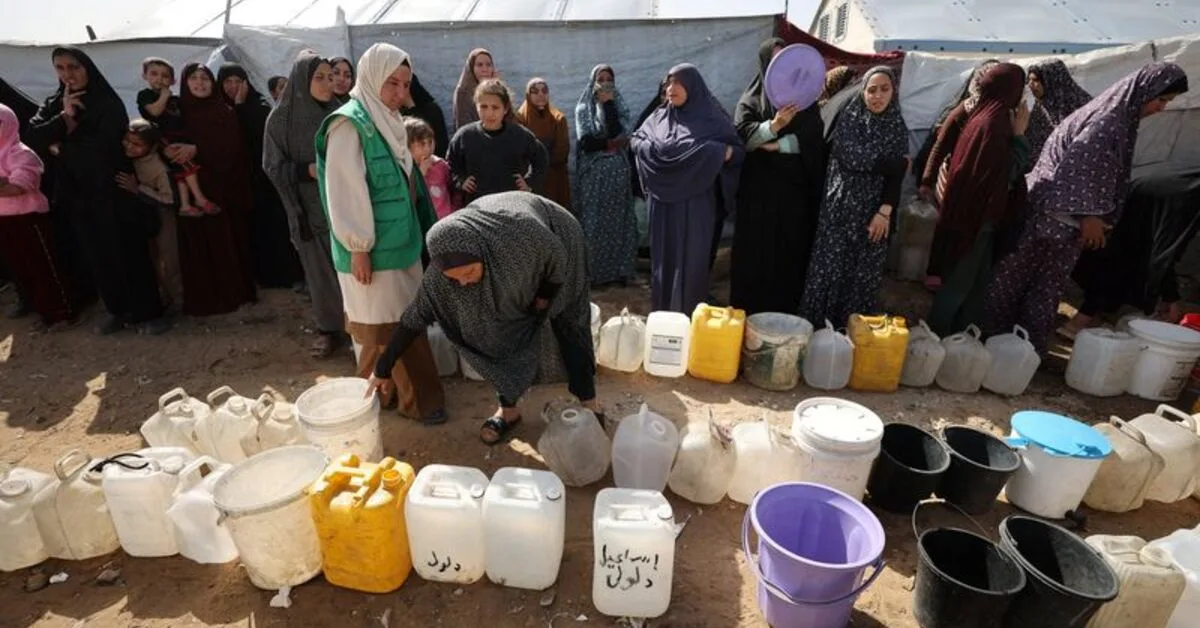
Israel announced on Wednesday that no more commercial goods will enter Gaza, attributing this to financial disputes between local traders and the Hamas group. This halt has cut off a vital source of food and other goods in a region where most residents depend on humanitarian aid. Gaza has faced repeated wars, ongoing displacements, and severe Israeli restrictions on aid delivery over the past three years.
Read more: Health System Development in Oman with the Increase of 2464 Health Institutions
Humanitarian Situation in Gaza
Despite a ceasefire that has improved access to humanitarian aid and reduced widespread conflicts, humanitarian organizations warn that ongoing attacks, continued displacements, and extensive destruction have made the situation extremely vulnerable for civilians. Ricardo Pérez, UNICEF's spokesperson, stated at a press conference in Geneva that the flow of commercial and humanitarian supplies must remain sustainable and continuous.
He added: "The impact of this situation on children will be clearly felt if this issue is not resolved. We cannot return to a situation where children and families are deprived of the supplies, services, and resources they need."
A new UNICEF report released on Friday indicates that despite improved access to aid and the entry of commercial goods since the ceasefire, the risk of acute malnutrition still exists. The report emphasizes that an increase in response to food and nutritional needs, a reduction in restrictions on the entry of goods, and the current ceasefire have led to achievements in this area. However, these advancements remain fragile.
The report also stated that the rate of acute malnutrition has decreased, but only one-third of children under two currently have access to minimum dietary diversity. A survey conducted by UNICEF in June showed a high prevalence of chronic malnutrition, affecting one in every eight children under five years old.
UNICEF also called for improved living conditions in Gaza, where approximately 800,000 children are still displaced, most of whom live in tents or unsafe buildings. The organization emphasized the need for improved shelter and basic services to support sustainable recovery.
Read more: Oman Health Management Committee Examined the Integration of Cancer Patient Referral Pathways · Iran Received the US Response to Recent Proposal