Egypt, Bahrain, and the United Arab Emirates joined Greece in condemning the maritime agreement between Turkey and Libya as a threat to regional security and the international legal order. This reaction came after the approval of a border agreement by the parliament in Eastern Libya last week, following a preliminary agreement signed in 2019. Greece and Cyprus stated that this agreement undermines their maritime claims.
Turkey's Position and International Reactions
Recep Tayyip Erdoğan, the President of Turkey, responded on Monday to criticism from the European Union and other entities regarding the approval of this agreement, stating that these reactions have no legal basis. He defended Ankara's policy in the Mediterranean Sea and emphasized Turkey's rights in the region.
Read more: China Sends a Representative to the Middle East
Consequences of Arab Support for Greece
The support of Arab countries for Greece reflects an effort to transform a bilateral dispute into a broader regional pressure for adherence to maritime laws. This will increase diplomatic pressure on Turkey and Libya regarding maritime areas and future energy projects in the Mediterranean Sea. Since the Libya-Turkey agreement in 2019, Greece has granted a license to a consortium led by Chevron to explore for gas near the island of Crete and is seeking a separate agreement with Libya to define its maritime borders.
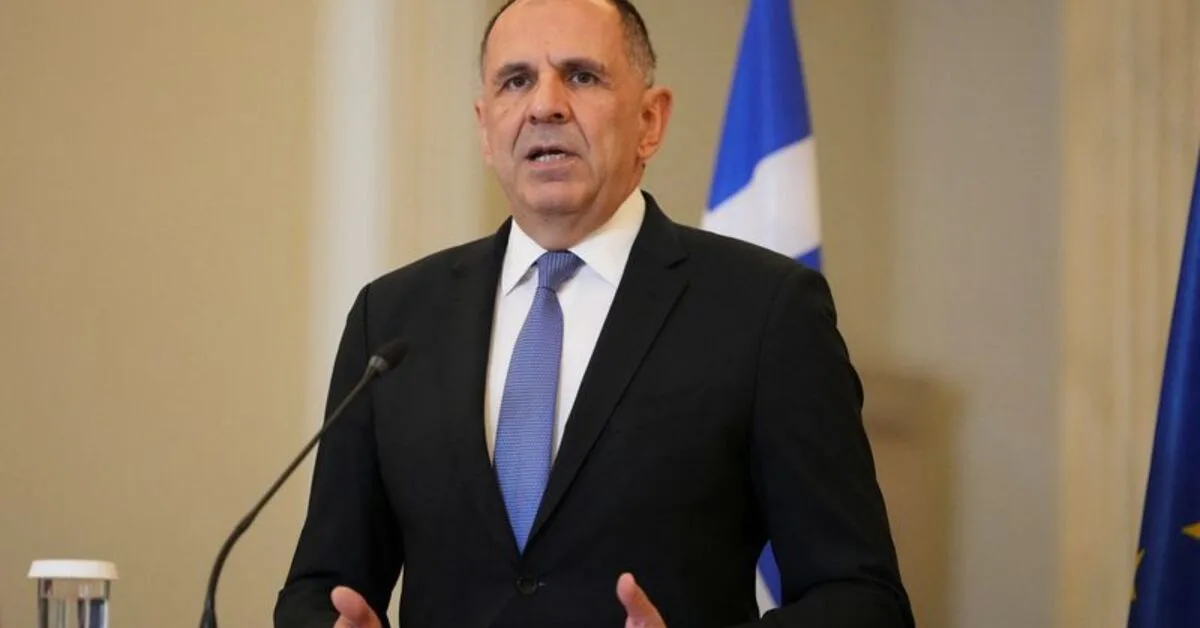
Giannis Gerabytiris, Greece's Foreign Minister, announced on Monday that Athens is ready to continue these efforts and urged Libya to establish good relations with its neighbors based on maritime laws as part of a political transition.
Libya has been divided into rival eastern and western governments for over a decade, a situation that arose following a civil war and a NATO-backed uprising that led to the overthrow of Muammar Gaddafi, the former leader of Libya. The Libya-Turkey agreement has been approved by the internationally recognized government in Tripoli in the west, but the rival eastern government led by military commander Khalifa Haftar has long withheld its endorsement.
Turkey's support in 2019-2020 was crucial in repelling Haftar's forces from attacking Tripoli. However, in recent years, relations have steadily improved, and Turkish officials have regularly visited Haftar's unofficial capital, Benghazi, making significant investments in various sectors, including construction.
Read more: Pope Leo Calls for an End to Violence in Yemen · Meeting of Senior Saudi, Turkish, and Pakistani Officials in Tehran