The energy crisis in Bangladesh and Pakistan is spreading more intensely due to escalating tensions in the Gulf and disruptions in oil and gas exports, particularly through the Strait of Hormuz. In Dhaka, the capital of Bangladesh, Parveen Akter has to coordinate her cooking time with access to piped gas. Despite irregular gas supply, she sometimes has to wait until midnight to cook her dinner.
Economic Consequences in Bangladesh
Bangladesh sources over 40 percent of its electricity from imported liquefied natural gas (LNG), and disruptions in deliveries from Qatar, which once supplied 95 percent of imports, have forced the country to buy more expensive spot market cargoes. The Minister of Power, Iqbal Hassan Mahmood, stated that "industrial growth is slowing down and production is decreasing." Surveys conducted among garment factories show that 55 percent of them have canceled or reduced their orders due to gas and electricity shortages.
Read more: Seminar on the Development of Traditional Fishing Vessels in Al-Dakhiliyah Governorate, Oman
Measures by the Government of Pakistan
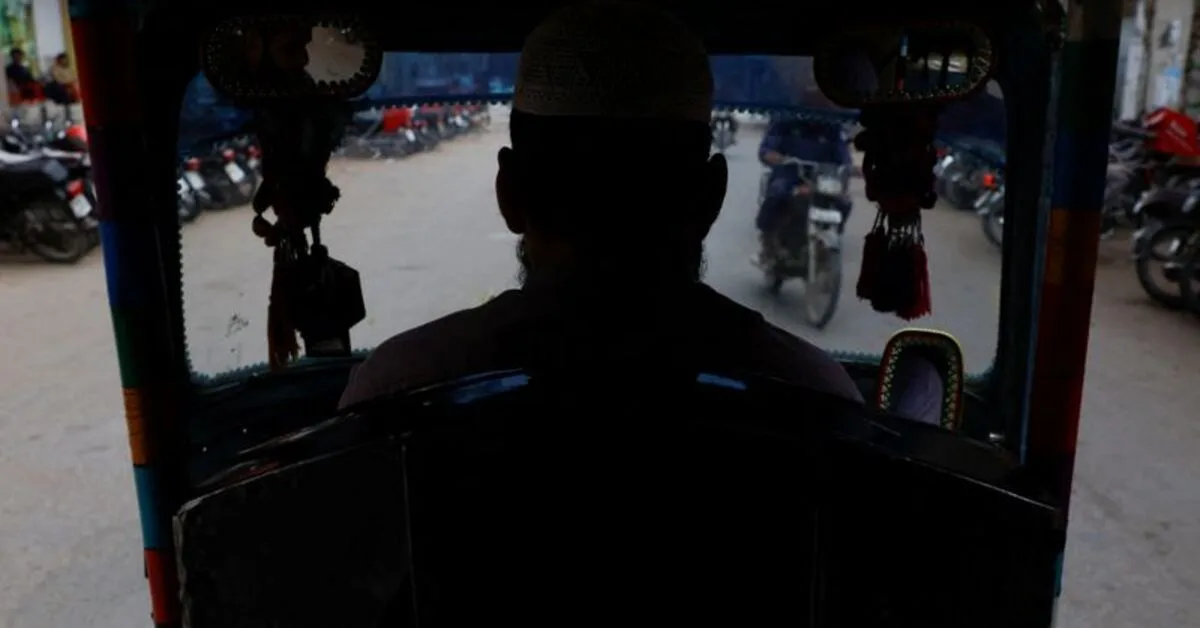
In Pakistan, the government has launched a program to provide subsidies to vehicle owners to mitigate the impact of rising fuel prices. However, the registration for this subsidy has faced challenges, and many citizens are struggling with the registration process. Mohammad Musharraf, a resident of Karachi, said, "The situation is very difficult for illiterate people, and this process needs to be made easier." With rising prices, the government of Pakistan is trying to prevent public discontent.
The garment industry in Bangladesh has been severely affected by this crisis. Some manufacturers have had to pay extra costs to expedite their products to international customers to avoid delays caused by energy shortages. Fazli Shami Arsen, the CEO of one factory, announced that his factory had to reduce its production from 50,000 garments to 40,000 due to delays in energy supply.
Alongside economic problems, the energy crisis in Bangladesh has also exacerbated social issues. In Tangail city, poultry farmer Saidul Islam reported that frequent power outages have resulted in the daily death of 15 to 20 of his birds. Hospitals have also been affected by this crisis, with frequent power cuts damaging healthcare services in some areas.
The government of Bangladesh is seeking solutions to improve the situation and is working on revamping an inactive LNG terminal that could help improve cargo deliveries. In Pakistan, despite slight improvements in gas supply, pressure on the country's power grid continues, and the demand for gas during winter reaches about 400 million cubic feet per day.
Read more: The Sultanate of Oman and Logistical Developments in the Global Economy · India and Bangladesh Discuss Improving Air Connectivity