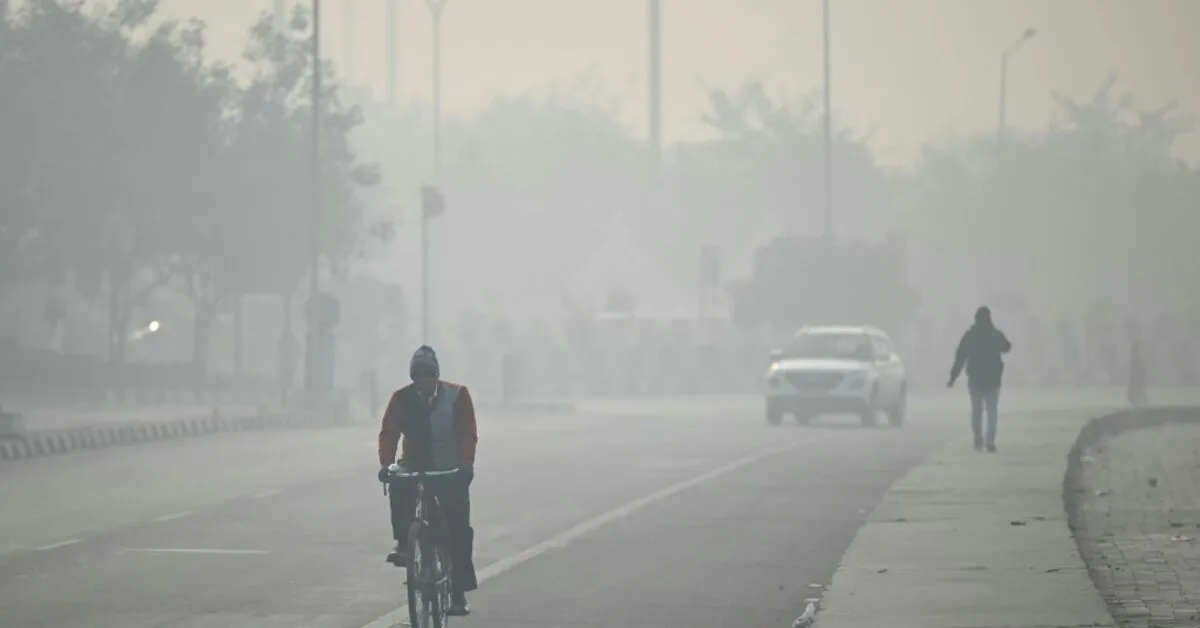
The recent European Union report indicates that one third of the world's population has been exposed to high levels of ozone pollution this year due to a combination of wildfires, heat, and greenhouse gas emissions. This study, which analyzes the first eight months of 2026, emphasizes the close relationship between climate change and air pollution.
Factors Contributing to Ozone Pollution
Ground-level ozone pollution is created by the reaction of heat and sunlight with gases released from wildfires, vehicles, and industries. This pollution can damage lung tissue, cause respiratory problems, and exacerbate asthma attacks, as well as lead to other health issues. Despite advancements in reducing harmful pollutants in recent decades, ozone remains one of the major challenges; as climate change creates favorable conditions for its formation.
Read more: Ørsted shines with positive tax opinion on two offshore wind energy projects in the UK
Pollution Status in Different Parts of the World
This year has been particularly affected by unprecedented heat and wildfires that impacted Europe and North America, with smoke from these fires crossing borders. For example, major wildfires occurred in Indonesia, and the warm El Niño weather pattern that began in June is likely to increase wildfires in Southeast Asia.
According to this report, 34 percent of the global population was exposed to "very poor" air quality between January 1 and September 15, which means ozone concentrations exceeded the World Health Organization's guidelines. WHO guidelines set the maximum allowable ozone concentration at 100 micrograms per cubic meter, averaged over eight hours.
Asia has the highest exposure to ozone pollution, with 53 percent of its population breathing "very poor" air. In this continent, greenhouse gas emissions from industrialization, economic development, and transportation, as well as wildfires and the burning of agricultural residues, play a significant role. Cities such as New Delhi, Dhaka, Chengdu in China, and Lahore in Pakistan are among those reporting "very poor" ozone levels.
In North America, two-thirds of the population were exposed to "poor" or "very poor" air quality, while in Europe this figure reaches 45 percent. Although EU regulations have been effective in reducing air pollutant emissions, ozone pollution remains a persistent challenge. According to the report, ozone pollution is linked to 60,000 premature deaths annually in Europe.
In Africa, smoke from wildfires, burning of agricultural products, and cooking are major contributors to air pollution. In this continent, 8 percent of the population has been exposed to "very poor" air quality this year, and another 19 percent faced "poor" or "moderate" air quality.
However, Oceania, including Australia and New Zealand, is recognized as a positive point in this regard, with 66 percent of its population in "good" air conditions and the remaining 34 percent in "moderate" conditions.
Read more: Oman's Environment Agency legal action against tourism that harmed turtles · Impact of Saudi experts on global climate reports