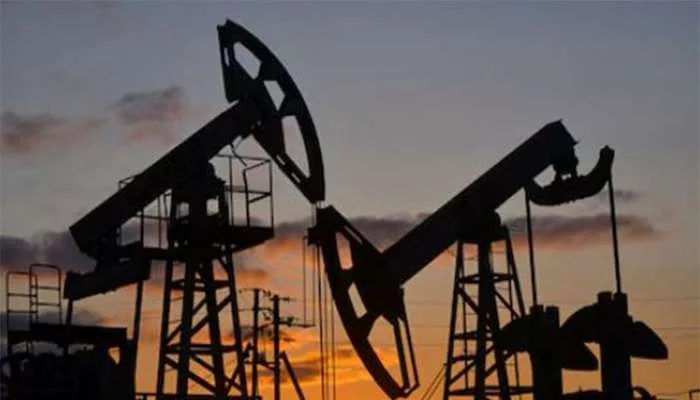
Brent oil prices remained around $115 per barrel on Monday, as tensions in the Middle East are escalating and ongoing concerns about supply and the potential for further conflicts have affected global oil markets.
Increase in Oil Prices Due to Regional Tensions
Last week, crude oil prices increased by more than 5%, reaching near their highest level in 52 weeks at $117.41 per barrel. This price increase is observed due to concerns about the impacts of Middle Eastern conflicts on global energy supply.
Read more: International Monetary Fund Predicts Economic Production Decline in the Middle East
Concerns in Domestic Markets
Ponmoodi R, CEO of Enrich Money, stated that ongoing tensions in the Middle East and the potential for escalation remain the main concerns for domestic markets. He added: "WTI oil prices are trading around $101 to $102 per barrel, while Brent oil prices remain above $115. Ongoing supply concerns have pressured prices and obscured the outlook for energy-importing countries."
Concerns about the security of critical infrastructure and energy transportation have also added to market uncertainties. The U.S. State Department on Sunday advised non-essential government employees and eligible family members to leave Saudi Arabia due to serious security risks following recent missile and drone attacks on airports and critical infrastructure.
Meanwhile, U.S. President Donald Trump announced that oil transit through the Strait of Hormuz has exceeded pre-war levels. He cited U.S. military operations and naval blockades as factors that have maintained maritime flows.
The Strait of Hormuz typically manages about 20 to 25 percent of the world's oil and liquefied natural gas flows, and any disruption in this waterway raises significant concerns for global energy markets.
In recent days, hostilities and missile and drone attacks have also destroyed about 3 million barrels per day of regional refining capacity in the Middle East, further pressuring global energy prices.
With high oil prices continuing amid geopolitical risks and physical supply disruptions, concerns about long-term instability in the region continue to impact the outlook for global energy markets and oil-importing countries.
Read more: IMF Report on Economic Contraction in Gulf Oil Countries · Emmanuel Macron Begins His Trip to the Gulf